
WE have had a fairly quiet autumn so far, with no real winds to stir anything up. This doesn’t mean that storms won’t arrive this month, but it is always nice to appreciate the calm while it lasts. It’s a good idea to be one jump ahead so you aren’t rushing around at the last minute and trying to anchor flapping polythene in a gale. Act on a nice calm day and work through a list of jobs: weight down covers and cloches, put away garden furniture if you don’t plan to use it again this year; collect any loose, light things (such as plastic pots, empty compost bags, and watering cans) that might blow into a neighbours garden on a windy day; and make sure that any sheet mulches are weighted down well so they don’t flap and tear. And apologies for repetition, but do please stake tall plants – there’s no point putting all the work into growing them, just to see them uprooted on a windy day. We may not get strong winds for a few weeks yet, but it always pays to be prepared.
Can you still sow seeds in October?
ADVERTISEMENT
The answer is yes, but you need to sow in early October for the best chance of success. You also need to choose what you sow and find the right place to sow it. Most seed sown now, does best in a covered space such as a polytunnel or greenhouse. Some things will do better than others and don’t expect to harvest anything until late winter or spring next year. If we get a mild spell up to Christmas then growth can be good, with young plants growing strongly before cold weather hits. If we get lots of frosts and extended sub-zero temperatures, then some things may not survive. Having said that, It’s always worth trying a few different things – if you get a few extra treats for a small bit of work then it’s worth it. Protect emerging seedlings from slugs and snails. These pests can be active into the heart of a mild winter.
What to sow under cover:
Sow winter varieties of spinach and salad leaves in drills where they will go. Rocket, mizuna, mibuna, mustard greens, purslane and land cress can all do well from late sowings. Try to avoid transplanting late in the year – you always have a week or two set-back to growth while plants settle in. Try sowing early varieties of carrot and a few kohl rabi in rows. Sow a little thicker than for spring sowings and thin if needed. Put an extra layer of garden fleece over the rows if it turns cold and always take action against slugs if you want these plants to succeed. Winter plants like these never grow quite as plump and juicy as their spring-sown counterparts, and sometimes roots may split. They still taste delicious and make a change from all the winter greens.
What to try outdoors:
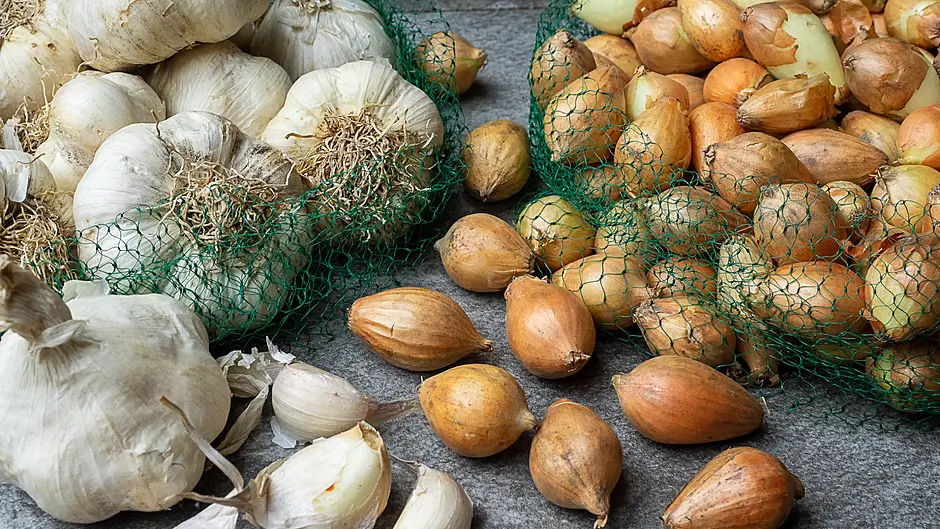
Aim to get young plants if you want to grow spring cabbage or Swiss chard outdoors. You can get autumn planting varieties of garlic and onion sets into the ground now. Prepare the beds carefully and raise the bed a little so it doesn’t get waterlogged. I always put a raised fine-mesh cover over these crops. This gives a little protection from wind and frost.
Winter flowers
If you like a bold splash of colour, then buy some primulas. These plants like cold weather and a damp soil so can often flower well in our climate. Violas are hardy and give a lovely display. They can flower for a good while if we don’t get too much heavy rain or snow. They are a pretty addition to hanging baskets or containers – pair with some white or purple heathers or trailing ivy. Choose as sheltered a position as you can if you want displays to last. You may find flowering chrysanthemum plants in garden centres now. These will flower for a few weeks and provide some nice colour on a decent sized plant. They won’t usually flower right through winter, but if you look after them they will flower again next year. There always seem to be lots of mini cyclamen plants for sale at this time of year. Ones that are starting to flower now, and have plenty of small flower stems poking up from the base, can flower right through until mid-spring.
 Miniature cyclamen can flower right through the winter.
A word on beetroot
Spring sowings will have produced plenty of tasty beets to use through the summer. They won’t grow much larger from here on and they may well get more fibrous and start to bolt. Beetroots keep for a few weeks in a cool, dry, frost-free shed. They will probably keep for even longer if you layer them in lightly dampened sand.
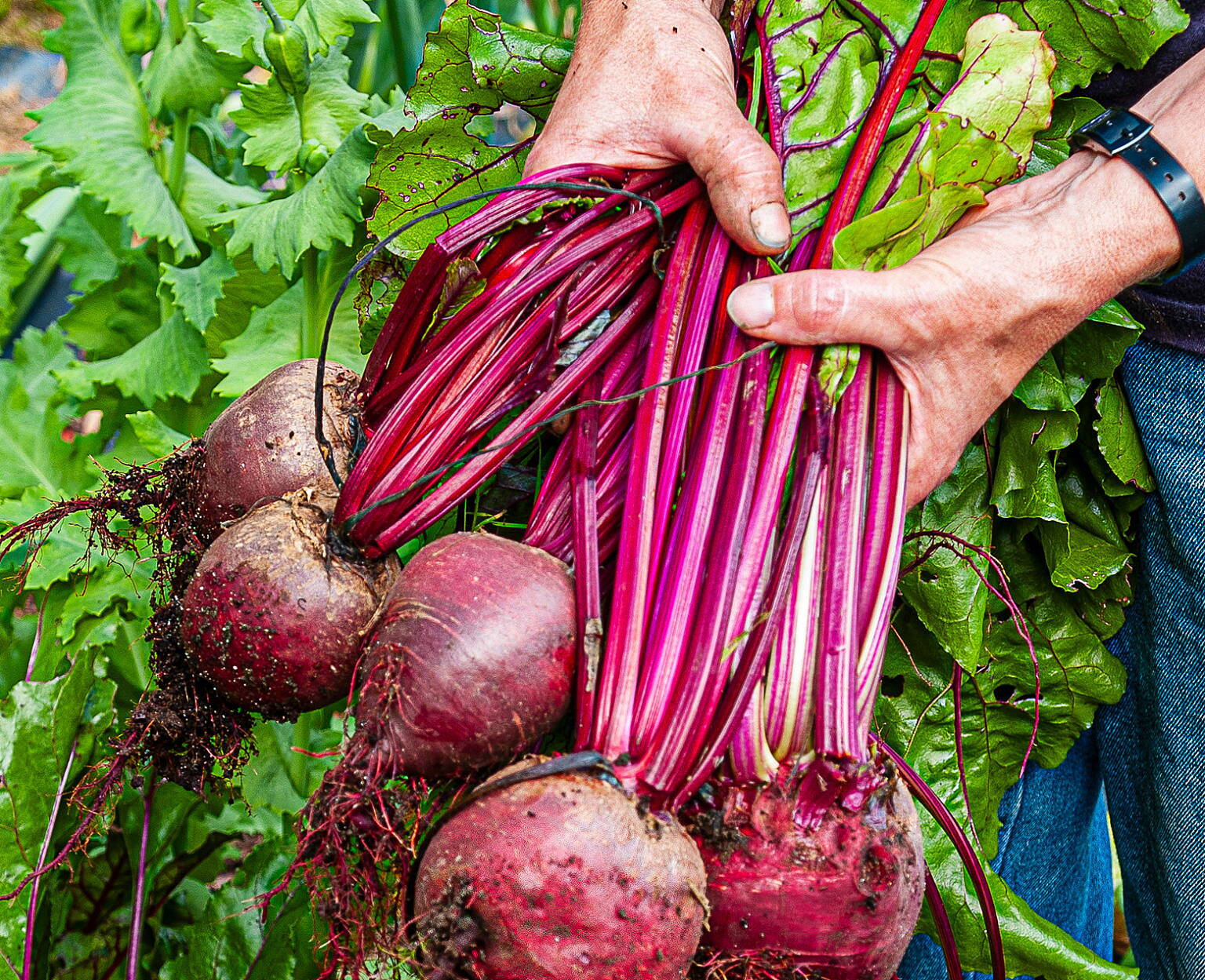 Lift any remaining beetroots.