There are lots of autumn jobs that can be done in the next couple of months.
Some are obvious, like tidying, clearing beds, digging and covering bare soil.
ADVERTISEMENT
It’s good to keep harvesting fruits and vegetables and storing, or giving away, what you don’t want to use.
Pots and tools should be stored clean in sheds and compost heaps do well if turned to incorporate air, and a bit more nitrogen if needed now.
Vow to use late grass clippings and fallen leaves in the best way you can and mend anything that’s loose or broken and may cause issues in a strong wind.
It’s easy to see a job that’s begging to be done, if you look around any garden.
What’s less obvious are the jobs that are hidden from immediate view.
Here are a few suggestions that might help you in the months, and even years, to come.
Beyond the obvious
Write a pest and problems diary
Every year brings problems that won’t be exactly the same as the year before or the one after.
Write down details while you still remember them.
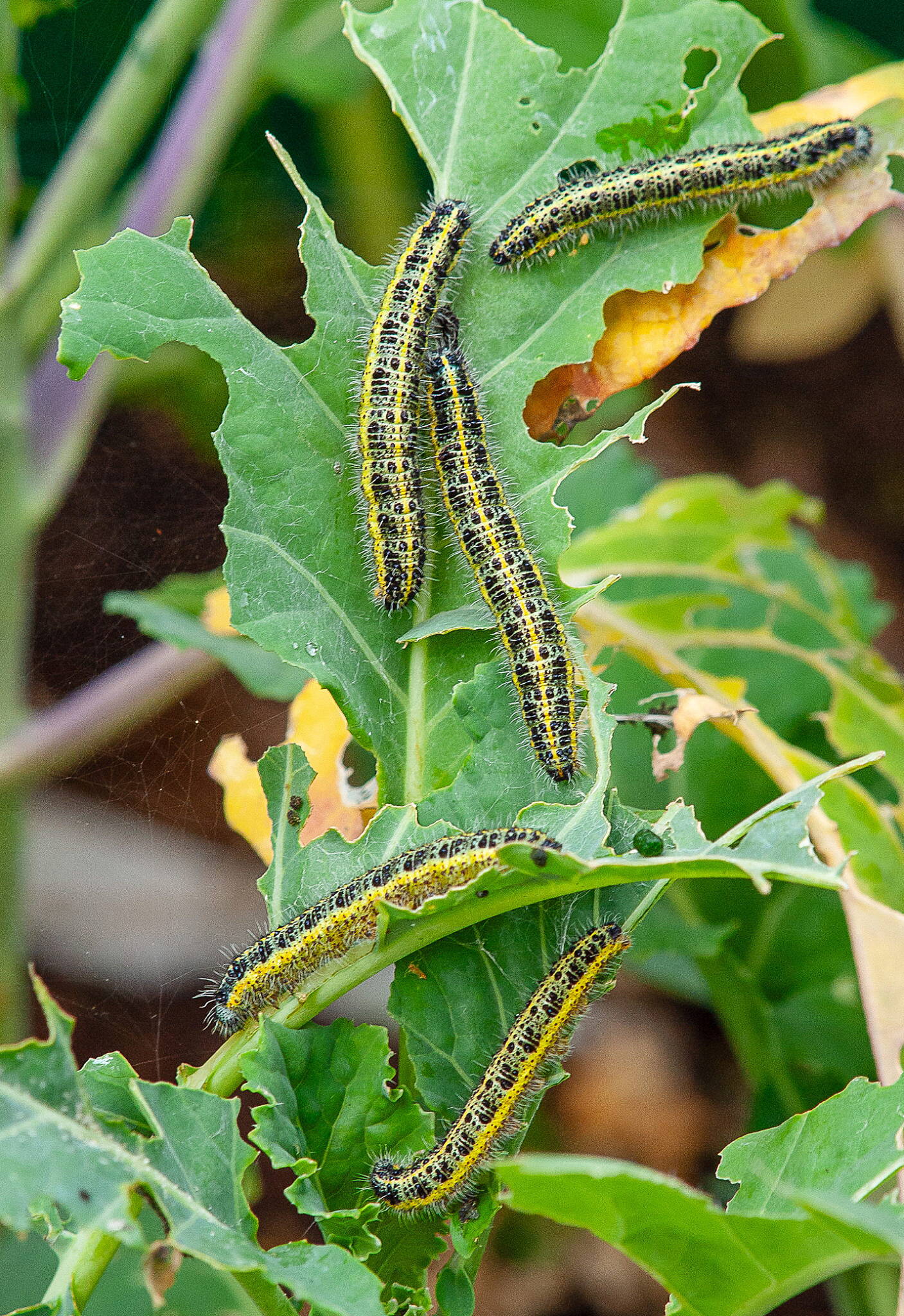
When did you see the first caterpillars on your brassicas and what was the weather like?
Make a note to start checking a week before this time next year and you may prevent mass munching of leaves if you remove sections that have eggs on them.
When did blight arrive? Did you spot dark blotches on leaves or did the plants collapse before you noticed?
Were slugs a big problem at any point of the year and did you spot any frogs to help you out? What crops suffered the worst and try to give these the best protection next time.
Did wind cause damage? Did rain cause rot? Did soil get too dry? Was the sun too hot? Any information can help build a picture of how to avoid problems in your garden.
Buy thermometers
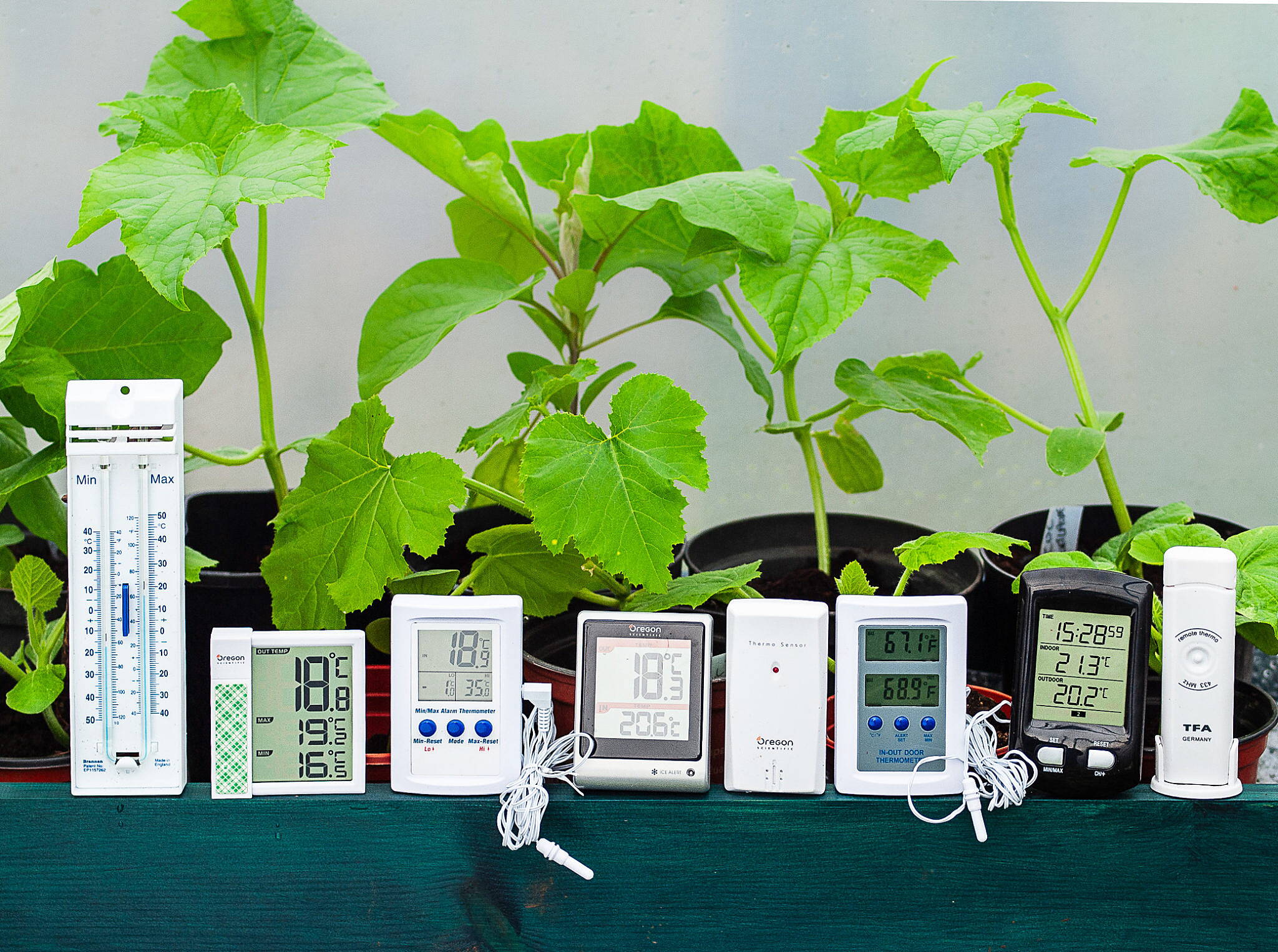
Don’t hesitate. A thermometer is an essential tool for knowing when to act.
You should know if the polytunnel is too hot and needs ventilation, or outdoor plants are freezing and need an extra cover put on.
You can also tell when temperatures are stable enough to start sowing.
Build up a picture of how temperature can change from week to week and the garden will thank you for the attention this brings.
Thermometers range from very basic maximum/minimum ones to remote sensors that will report back to your phone.
I like to be able to check at a glance, rather than running out to check around the garden, but choose whatever suits.
Be prepared
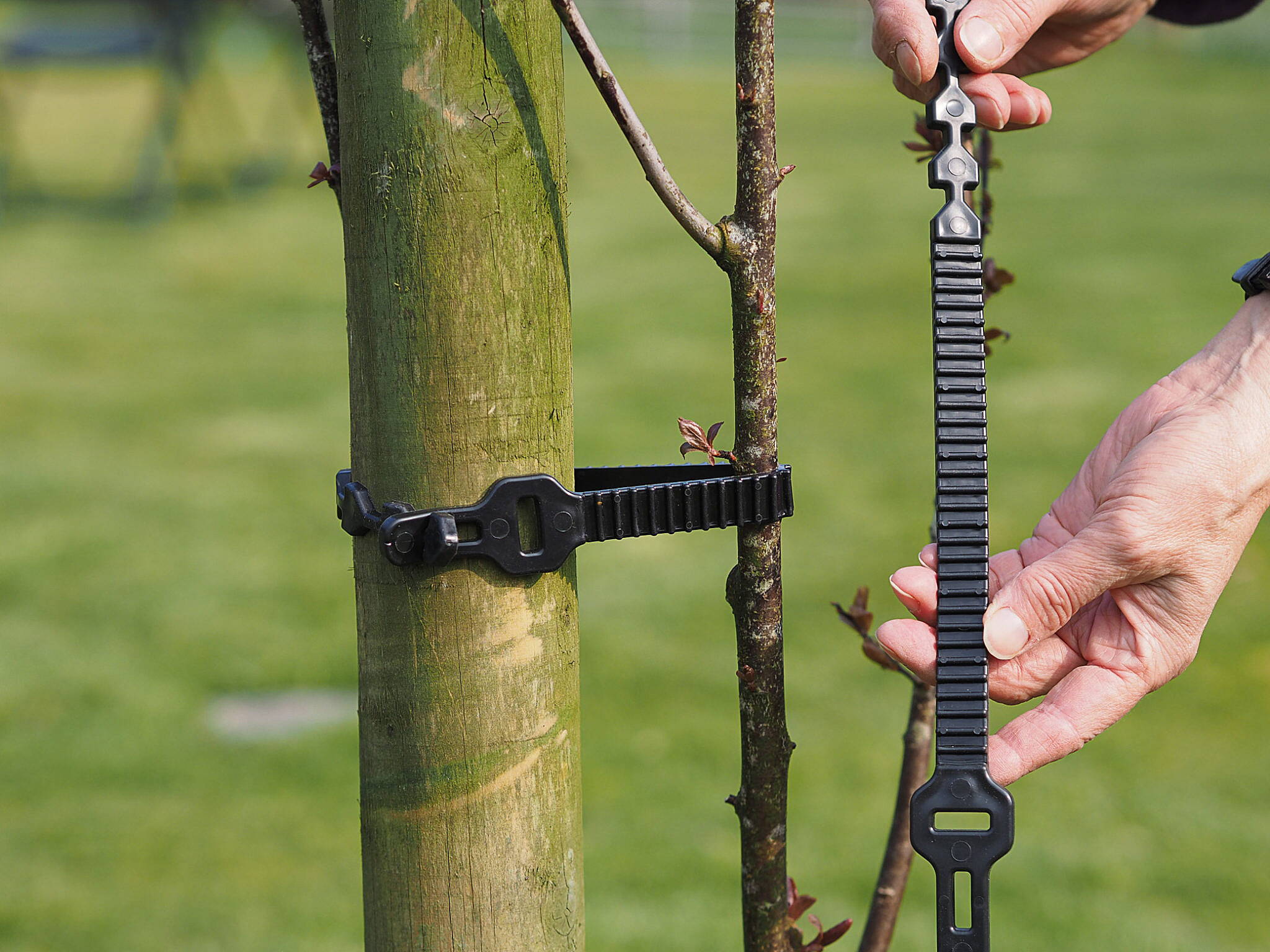
This is the time to make a few piles of useful objects and put them in an easy place to access.
That way you have the right thing to hand if a need arises.
Get plant and crop covers ready so you know where they are and can use them if the forecast projects a hard or long freeze – even hardy plants can benefit if temperatures move beyond a comfort zone.
Have a collection of good support poles and stakes, in case extra supports are needed to combat strong winds.
You don’t want to be looking for a replacement pole in the middle of a storm after one has broken and a tall plant is flat on the ground.
You should have thick string, or plant ties, ready to use too.
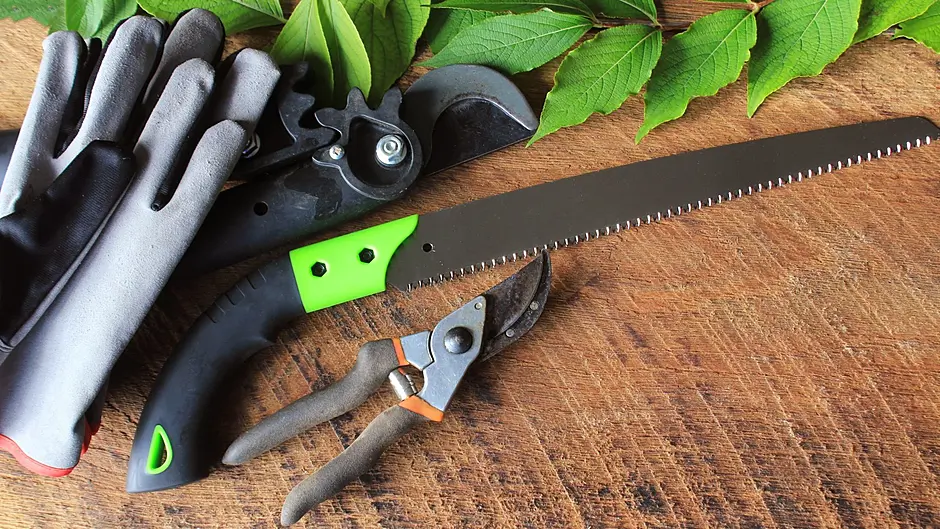
Strong repair tape is always useful and a saw to cope with any large branch or tree that falls.
Keep routes around the garden clear
We are heading into accident season, where wet leaves, grass and ice can cause even the steadiest person to slip.
Green slimy paving, or stepping stones, can be treacherous.
Clear pathways as much as you can and remove obstacles like hosepipes that lie on the ground – a pipe covered in leaves is an accident waiting to happen.
Save seeds
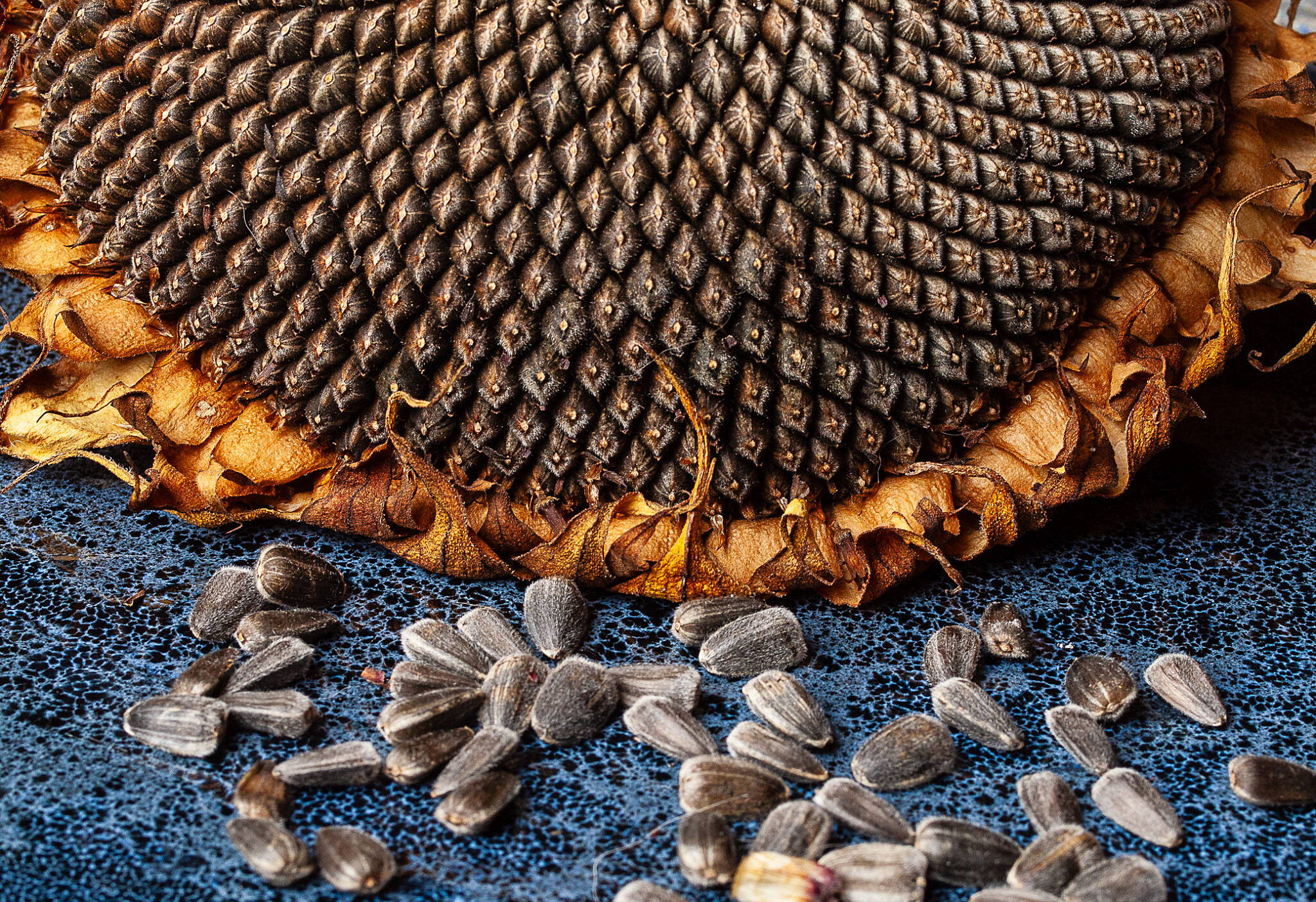
Many flowers have seed heads and it can be fun for children to help gather some up on a dry day.
Tip out the seeds (one variety to each plate) and leave to dry further for a couple of days.
Put into labelled envelopes so you know what to expect when you start sowing.
This is a simple way to try saving, sowing and growing your own seeds.
Some may work and others may not.
There’s a lot more you can read on the subject if you want to move beyond a bit of simple experimentation to a more professional approach.
Make steps to avoid slippery slopes
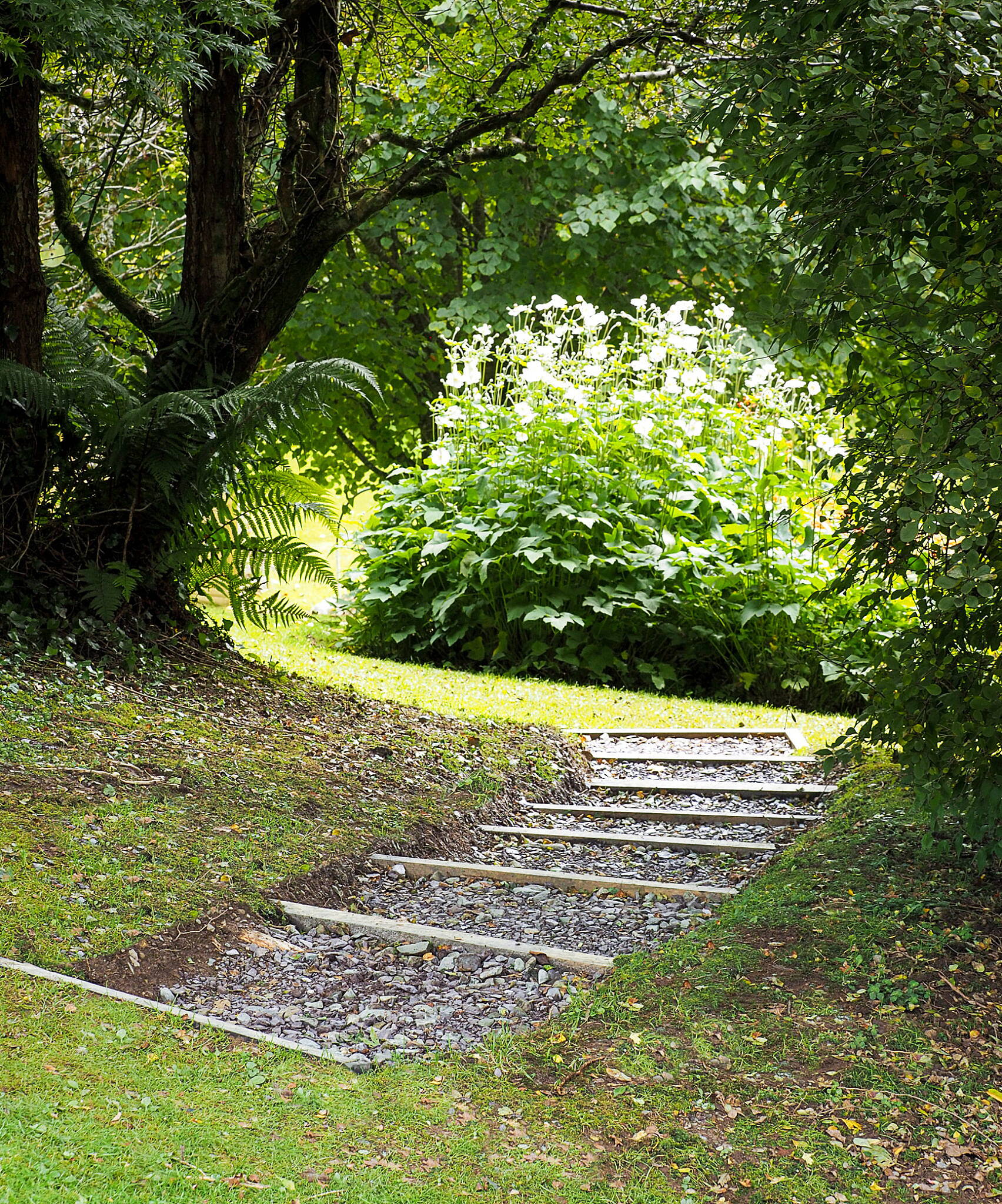
This is a bigger project and one that is good to do during the quieter garden months.
It’s easy to make a simple post and wood structure to support gravel steps, or you can go for a more permanent concrete or stone option – just make sure the surface that you step on is stable and non-slip.
Don’t rush to feed
Many garden books say to apply bulky feeds, like manure or compost, to empty beds in autumn and winter.
Unless you can cover this with an impermeable mulch, it is best to wait until early spring.
Nutrients will be washed away by winter rains.
Use apples
It’s surprising what you can discover in a waiting room!
I was given a recipe for using some apple surplus to make apple juice.
It doesn’t involve a fruit press or juicing machine, just a pan and piece of muslin.
Use 50ml of lemon juice and 300ml water for each 2kg of apples.
Windfalls and small fruits don’t keep long, so use them if you can.
Chop apples into a large pan
Add water and lemon juice.
Boil and simmer until apples are soft enough to mash.
Add more water if needed to make a sloppy mix.
Strain through a piece of muslin over a bowl.
Collect as much liquid as you can – this may take a few hours.
Squeeze the pulp bundle gently to press out remaining juice.
Chill and use the juice fresh.