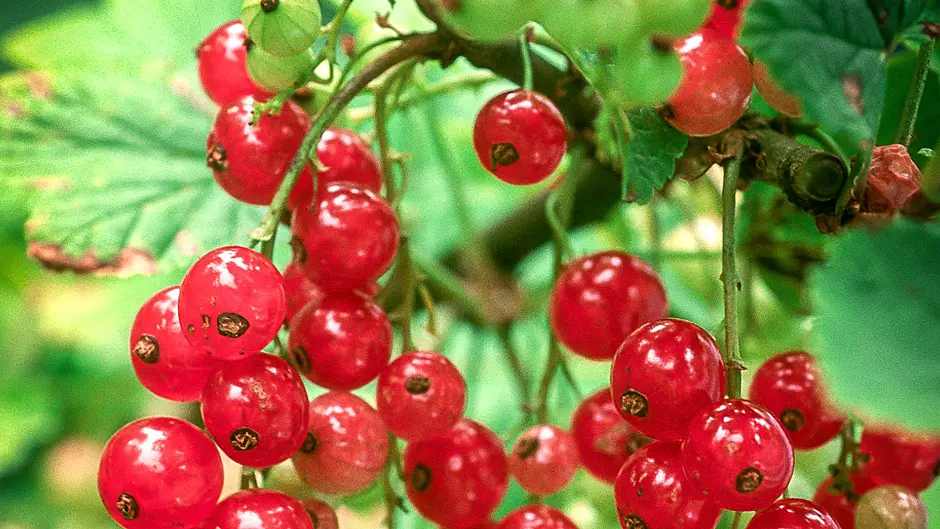
Currants, berries and cherries are all ripening now and they will be ready to pick over the next few weeks.

You can stretch out the season by planting different varieties that crop at different times; or you can simply pick, freeze and preserve the fruit glut so you can eat and enjoy the bounty over several months.
ADVERTISEMENT
If you’ve been carefully minding your fruit bushes by pruning, feeding and training over many years and months, then this is the time of year when that work pays off.
Try and use the harvest in the best way you can, whether that’s allowing children to eat their fill straight off the bushes, or whether you bribe them to fill tubs for neighbours, or whether you pick and preserve each precious fruit.
The choice is yours and if you love to watch birds eating their fill, then that’s your choice too.
Getting the best from your fruit
Remember to water the soil around fruit bushes in dry weather. They can’t swell good sized fruits without enough water to fulfil the process.
Watch out for fruit thieves! Many birds love ripe fruit and will strip bushes if they aren’t protected. Netting is the simplest way to keep fruit safe from birds.
Slugs will eat holes in any ripe fruit that they can reach.
This is more of a problem for low hanging fruits – use twiggy branches to prop up stems so fruit doesn’t lie on the ground.
Mice will climb branches to reach and eat ripe fruits.
I hadn’t considered this until I saw footage of it happening on David Attenborough’s wonderful ‘Secret Garden’ series.
Watch out for pests and problems. Harvest before heavy rain. Raindrops can knock ripe fruits from bushes or cause fruit to burst while still on the branches.
Sawfly are small caterpillar-like creatures that multiply quickly and love to eat redcurrant, white currant and gooseberry leaves.
I’ve even had them on blueberry bushes, but thankfully only for one year and they didn’t return.
They don’t go for the stronger flavoured blackcurrant leaves. You can try picking them off, or use a soap spray (rinse fruit before eating).
Hosing them off with a jet of water helps, but you may knock berries off too. Fungal diseases, viral diseases and blights can be a problem in old fruit beds.
If raspberry canes or fruit bushes are badly affected, dig them up and plant new ones in a different place.
Courgettes a plenty
Plants have been cropping in a slow and steady fashion for a few weeks now.
The first small fruits were a delight and, as production increases, it’s exciting to have so much rapidly produced food.
It has to be said, that there comes a time when you may regret having lots of courgette plants – when you can’t eat them all or give them away, you have probably reached that moment.
I know it goes against the grain for any gardener to remove a healthy and productive plant, but if you wish you had grown three courgette plants rather than six, then dig up the weakest three and put them on the compost heap.
You can plant something else in the large space that these plants occupied and you’ll be very happy to have some chard or spinach, for example, as the year rolls on.
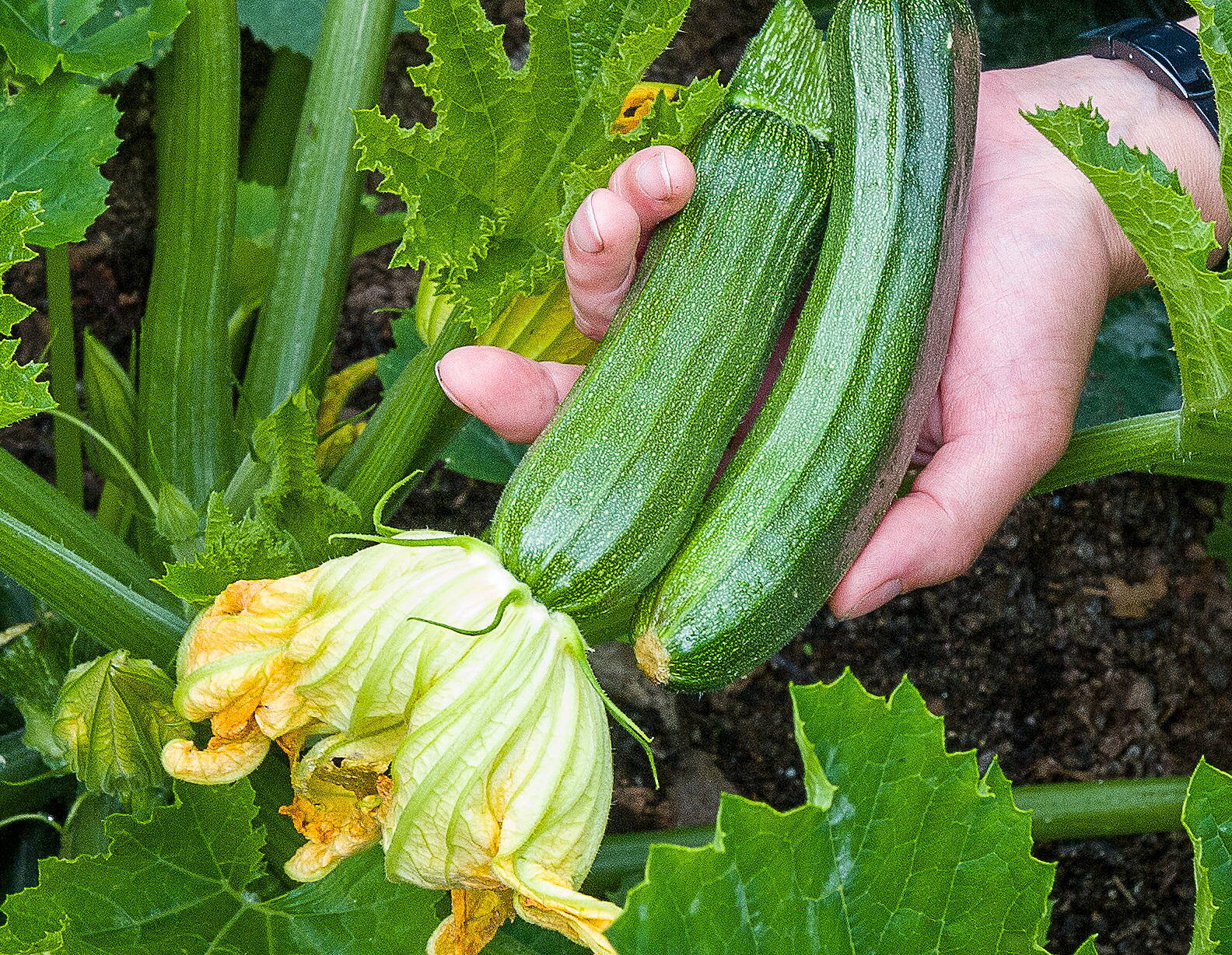 Enjoy courgettes but don’t drown in the glut.
Flowering herbs
The flavour of herbs changes when they flower and stems can become tough.
This may not matter if you love the sight of chive, rosemary and oregano flowers in your herb bed and have left some clumps to flower while others are cut back regularly for kitchen use.
Basil is one herb that I try not to let flower if I can. This is such a valuable herb for culinary use and it is easy to nip out the tops and use the leaves before flowering starts.
This becomes harder as the season progresses, but for now it’s good to harvest basil leaves before plants produce flower spikes.
Only take the top cluster of leaves from a stem and more will grow from the leaf joints.
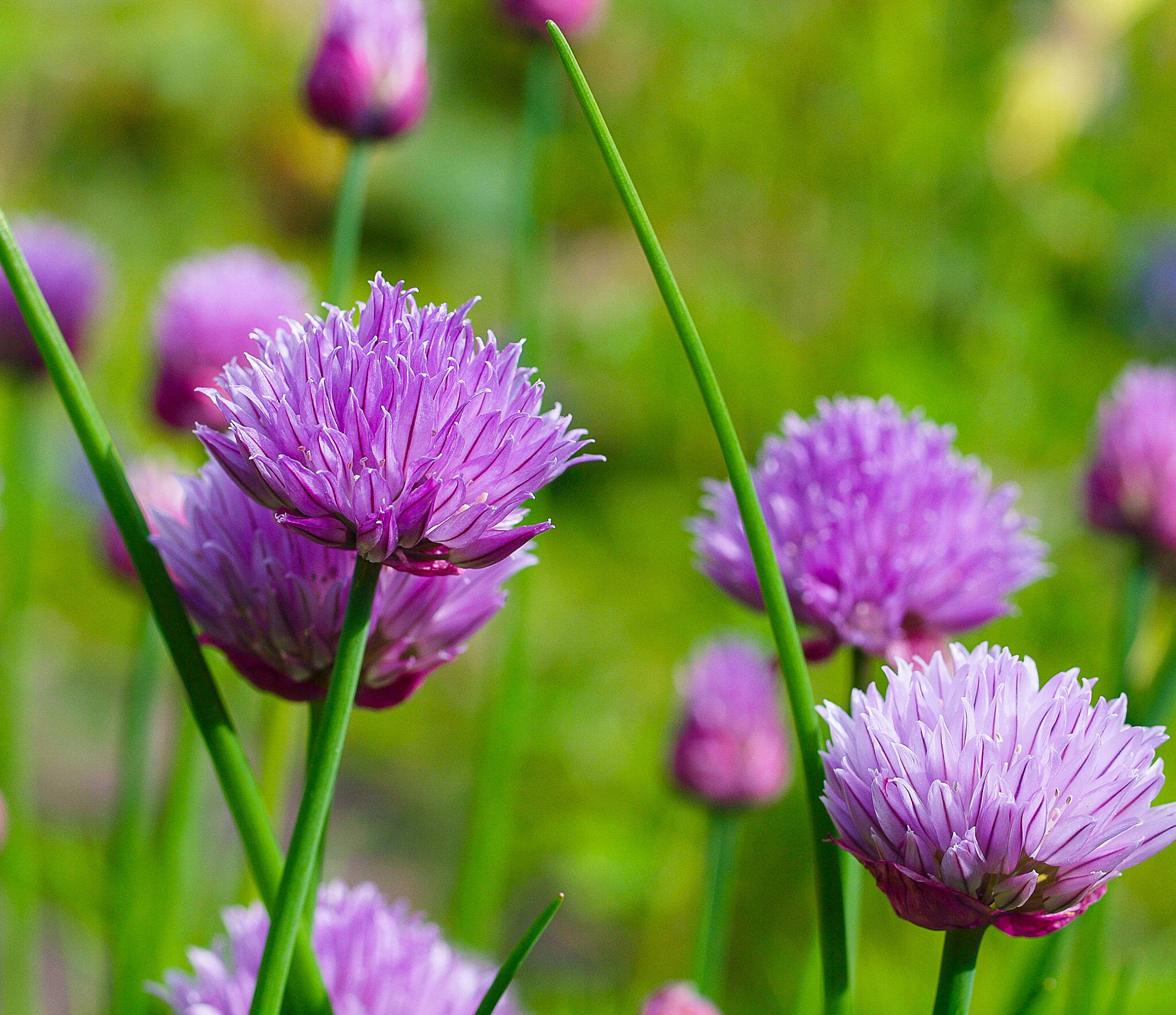 Flowering chives look pretty in the herb bed
Watch out for potato blight
In a hot dry summer this is less of a problem than in a damp, misty one.
In a bad year, you may see signs in May or June, but July is a more common start for this problem.
Potato blight can spread fast once it has got into your crop – if you see large grey blotches on leaves, and failing plants, then you have to act.
If it’s only one or two plants then pull these out and you may spare the rest. You can spray (use an organic approved option if you can) or chop the tops and dig the crop – some varieties may have grown a good crop before blight strikes.