Winter is coming, and despite putting on extra layers, the inevitable is going to happen. Yes, we’re going to put the heating on.
BY PAULA BURNS
ADVERTISEMENT
However, this small action comes with many implications. From higher energy bills to environmental concerns, keeping warm in the winter can be tough.
As a result, insulation and finding ways to keep the heat in the home rather than it escaping are of the utmost importance.
Insulation is the unsung hero of home comfort. It works by slowing the transfer of heat, meaning your home stays warmer in winter and cooler in summer.
Without it, up to 35% of your home’s heat can escape through the walls, roof, and windows.
But insulation’s benefits go far beyond comfort.
Better insulation means a reduced reliance on fossil fuels, which lowers your greenhouse gas emissions.
In other words, it’s one of the most impactful steps you can take towards a greener and warmer winter
Draught proof
Before you even think about adding insulation, it’s crucial to tackle draughts.
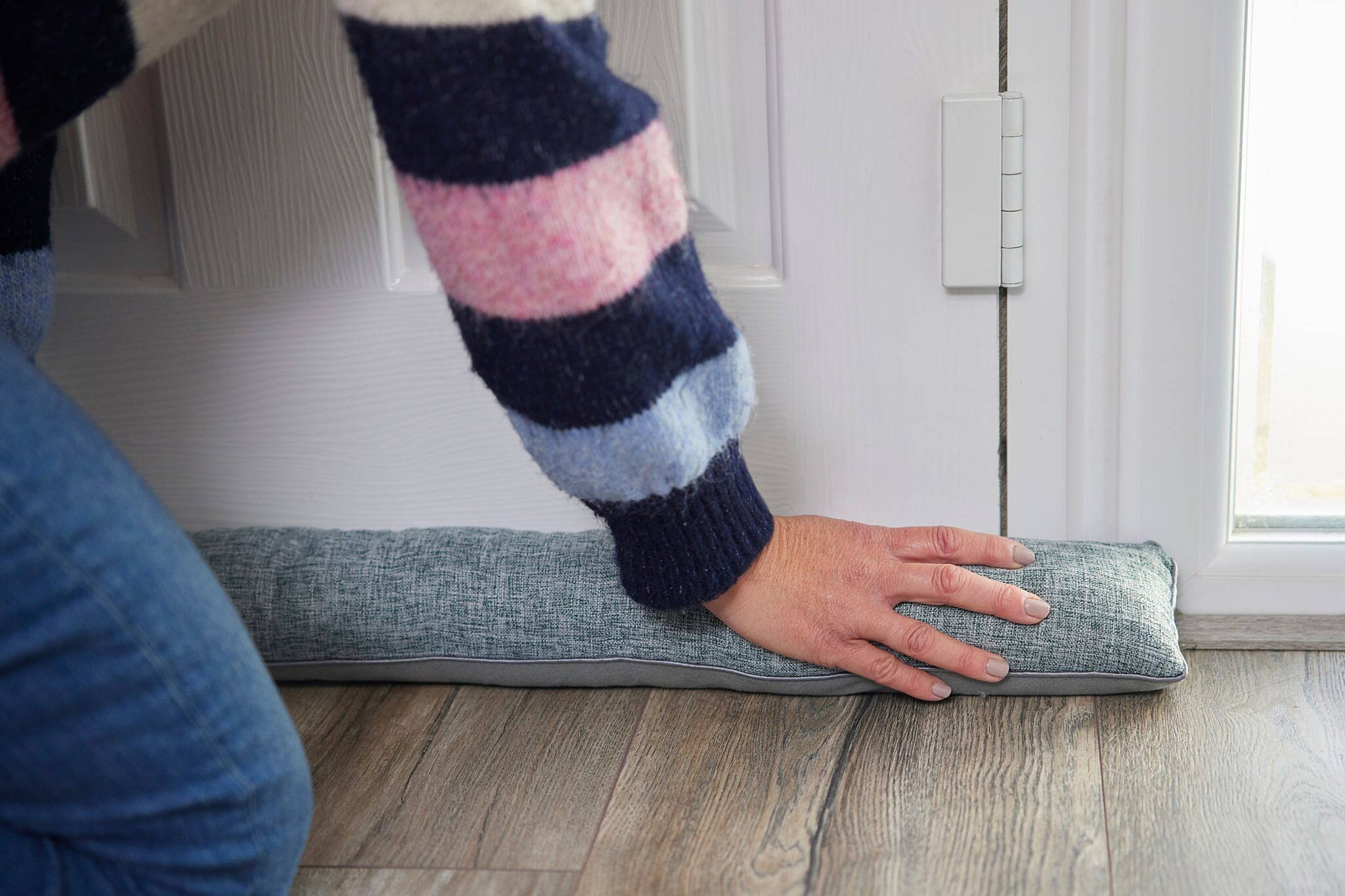
A well-insulated roof won’t do much good if icy air is whistling in under your front door.
The common areas that can cause a draught are gaps around windows, fireplaces and cracks in floorboards.
Tackle the draughts by using natural rubber or silicone draught excluders rather than plastic-based strips.
For floorboards, a natural latex filler can be a sustainable alternative to synthetic sealants.
Even thick, lined curtains that you will have forever can act as an extra barrier against cold air.
Loft and roof insulation
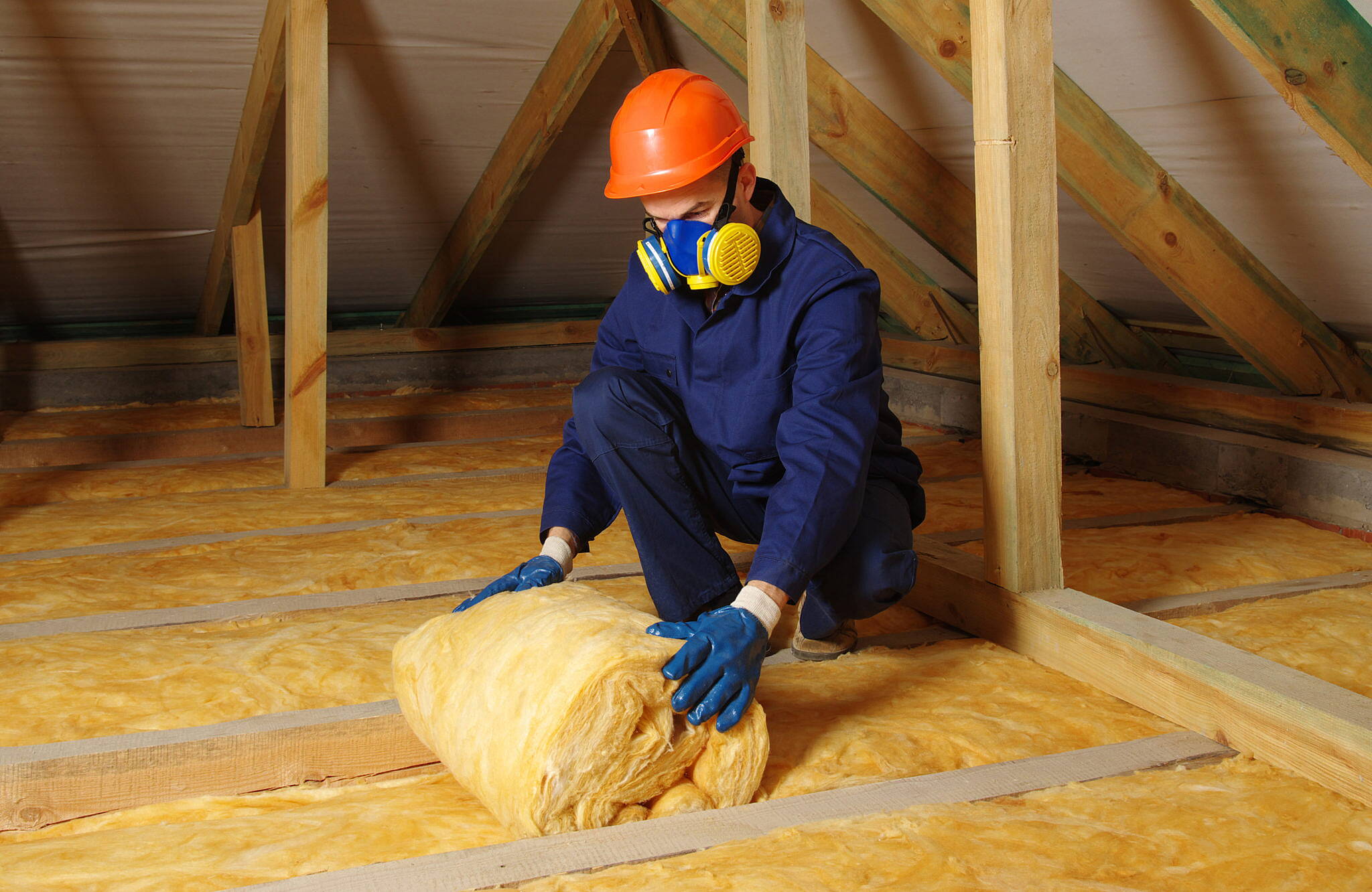
Heat rises, which means an uninsulated roof can be your biggest source of heat loss.
Up to 25% of a home’s warmth can just go poof up into the sky, never to be seen again.
Loft insulation can often recoup costs within two years, so it’s worth the splurge.
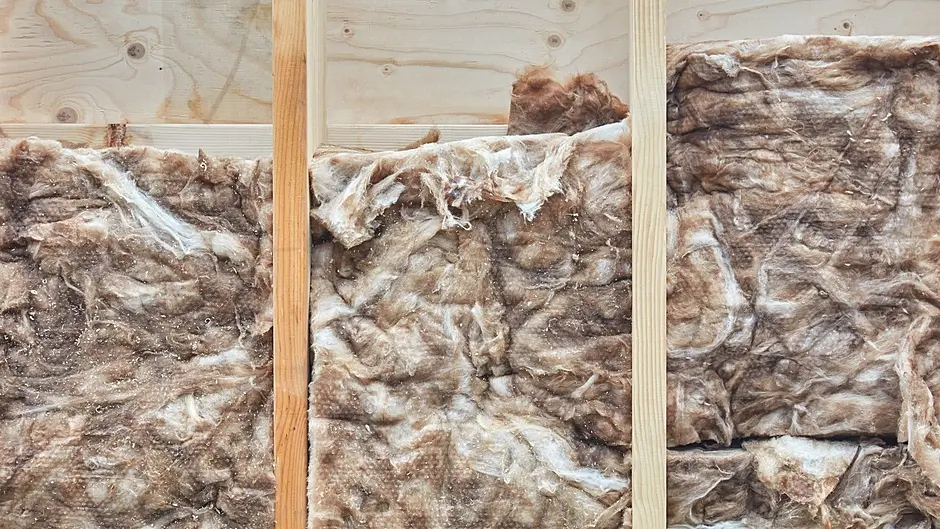
If you’re looking to take a sustainable approach, sheep’s wool is a renewable, breathable, and biodegradable choice that naturally regulates humidity.
It’s more expensive than mineral wool, but its durability and eco credentials make it a long-term investment.
Cellulose insulation, made from recycled paper and treated with fire retardants, is also an excellent low-carbon alternative.
If you’re DIY-minded, loft roll insulation is relatively straightforward to install.
Just remember to wear gloves and a mask, especially when handling traditional fibreglass, as the fibres can irritate the skin and lungs.
Wall insulation
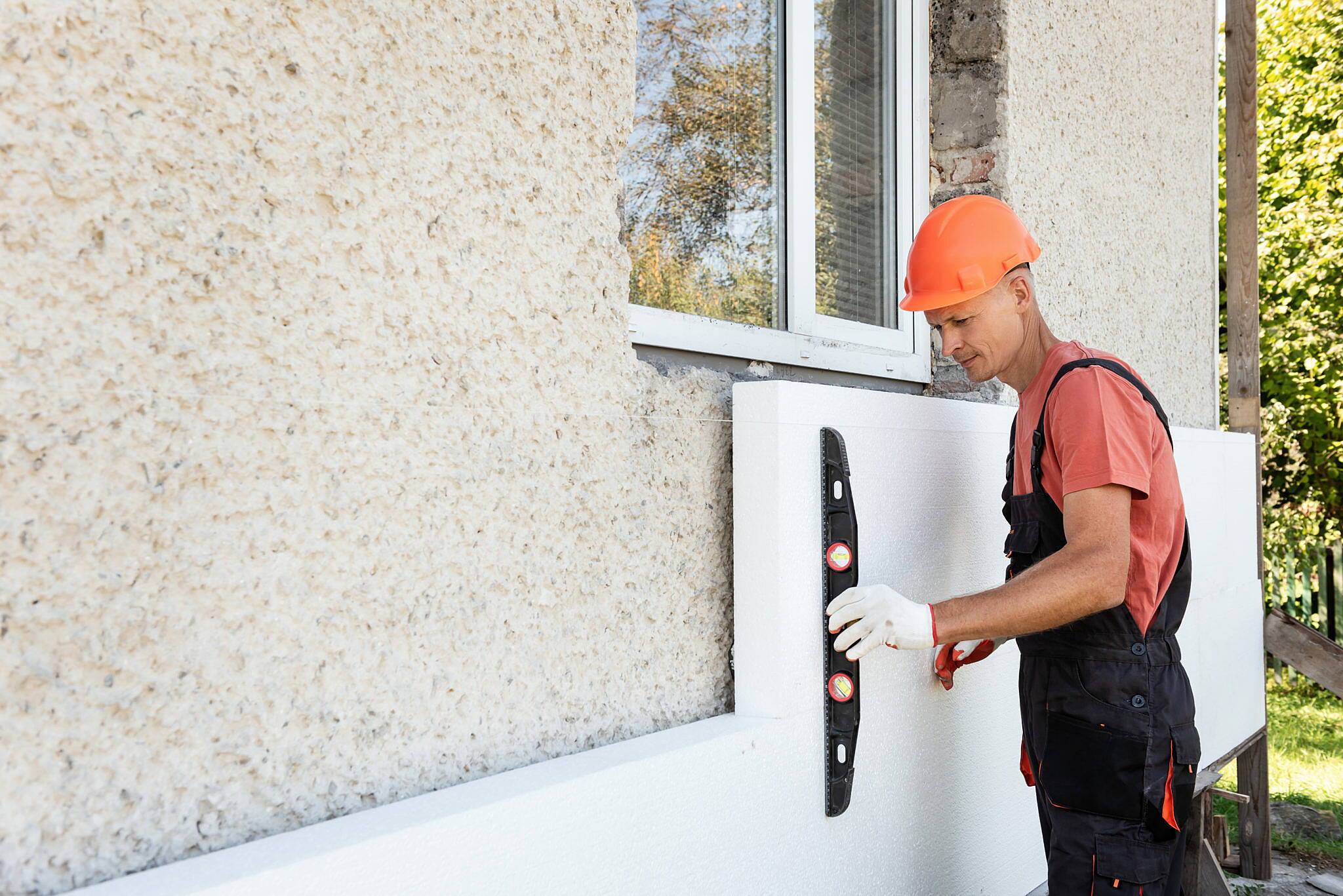
While most of us think about the loft, the walls of your house can also account for about a third of heat loss in an uninsulated home.
The best approach depends on your home’s construction.
Cavity walls can often be filled with blown-in insulation, such as mineral wool, polystyrene beads, or eco-friendlier options like expanded perlite.
This is a quick, non-intrusive process that can pay for itself in a few years through energy savings.
Solid walls are trickier.
You’ll need either internal or external insulation.
Internal Wall Insulation involves attaching insulated plasterboard to the inside walls.
It’s cheaper but can slightly reduce the room size.
External Wall Insulation adds a weatherproof insulating layer to the outside of your home.
It is more expensive but highly effective, and it doesn’t reduce internal space.
Floor insulation
If you’ve ever felt the chill seeping up from below, you’ll know that floors play a surprisingly significant role in home comfort.
Insulating under suspended timber floors with sheep’s wool or hemp can make a dramatic difference.
If your home has a solid concrete floor, you can add a layer of rigid foam or cork insulation before laying new flooring.
Cork is especially appealing for its renewable sourcing and natural warmth underfoot.
Windows
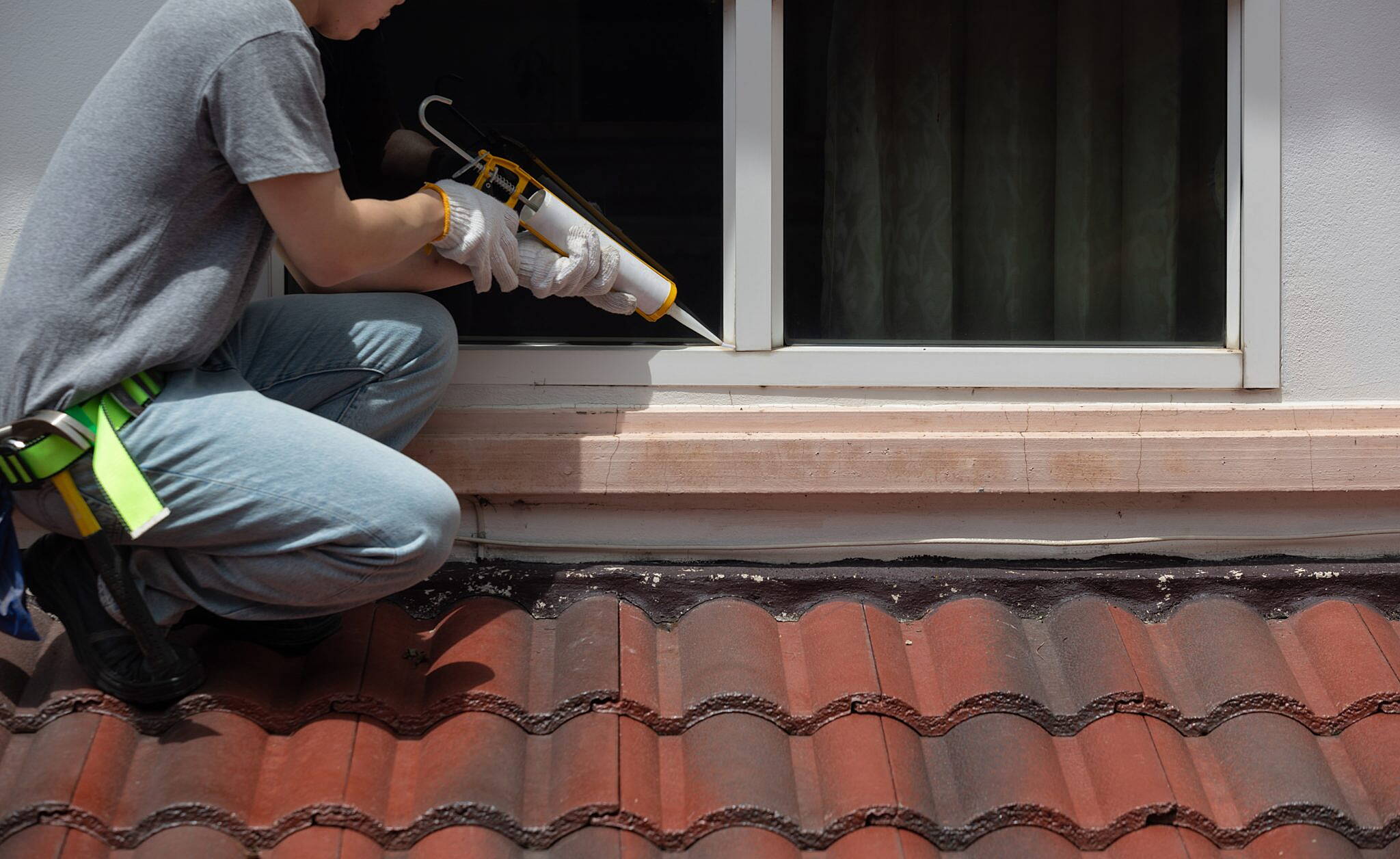
While double or triple glazing is the gold standard for reducing heat loss, there are sustainable extras you can add to ensure you stay toasty.
Thermal Blinds made from recycled fabrics and heavy curtains lined with insulating materials will add extra warmth, along with draught-proofing strips around window frames.
Creative insulating solutions
Apart from the obvious solutions, such as draught-proofing and insulation, there are alternative ways to keep your home cosy in the winter that are also aesthetically pleasing.
Get creative with funky wall hangings made from thick, natural fabrics, which can act as additional insulation while adding texture and colour to a room.
If you have hardwood floors, a rug will instantly bring softness and warmth to the room.
In the bedroom, instead of a standard headboard, opt for upholstered panels behind the bed for a comfortable and warm sleep.
On the technical side, ensure your boiler is serviced so that it is working efficiently.
A programmable thermostat or smart radiator valves can ensure you’re only heating rooms when needed.
Also, bring it back to basics by closing internal doors to keep draughts out and the heat in.
Now that you have a well-insulated home, you can sit back knowing that while you’re feeling the warmth, you have lowered your carbon footprint and saved a few euros.