Start planning now if you want to get planting next month.
October is the start of the season for planting bare-rooted fruit trees and bushes.
ADVERTISEMENT
Ornamental trees and shrubs can go in the ground too.
There is still time to get spring flowering bulbs into their growing position and some pea and broad bean varieties will crop earlier next year if planted in October or early November.
Late September/October is a good time to get autumn planting varieties of onion and garlic into the ground.
Work out where everything will go and give each plant enough room to grow.
This is particularly important for trees and bushes, which stay in place for many years and certainly will grow much bigger than the small plants you start out with.
A few general tips
It’s always better to wait for a dry spell if ground is very wet.
Don’t plant in frosty weather.
Make sure you have all the things for planting and what you might need to support plants through the months, or years, ahead.
Give all plants and bulbs a health check before planting – avoid diseased or damaged specimens.
Plant trees and shrubs to the depth they were originally planted at – don’t bury more stem or leave roots exposed.
Don’t plant bulbs too close to the soil’s surface – they can suffer if the ground surface freezes.
Fruit trees and bushes
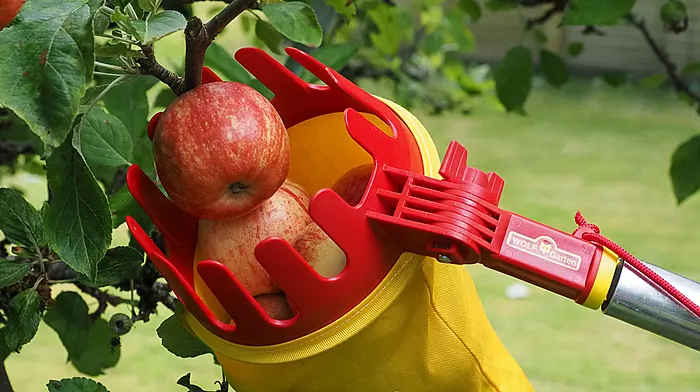
Bare rooted options are available from October through until spring. They are cheaper than potted ones, which can be planted at any time of year. Get bare rooted trees and bushes into the ground as soon as you can. This gives time for the ground to settle and roots to establish before temperatures drop too low.
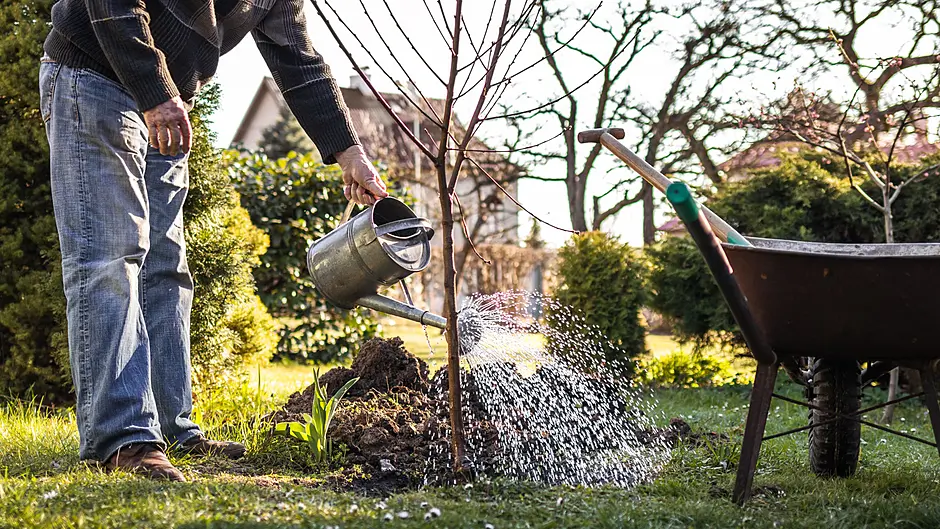
Mark out where you want to plant and mark the place with a stick. Stand back and use your imagination – is this spot the best place? Follow recommended distances between each type of tree you are planting. Make a large enough hole and put some compost, manure or dried feed in the base.
Trees need a firm stake so they don’t sway and loosen roots. Knock in an appropriate stake (some garden centres sell them). Put the tree in the hole next to the stake, but not grating against it. Spread the roots out so they spread in a fan shape. Fill the hole back in with the soil that was dug out. Use a tree tie to hold the trunk of the tree to the stake.
Shrubs and fruit bushes usually don’t need staking. Plant in prepared holes and firm soil back around the base. Keep ground clear around newly planted trees and bushes.
Onions and garlic
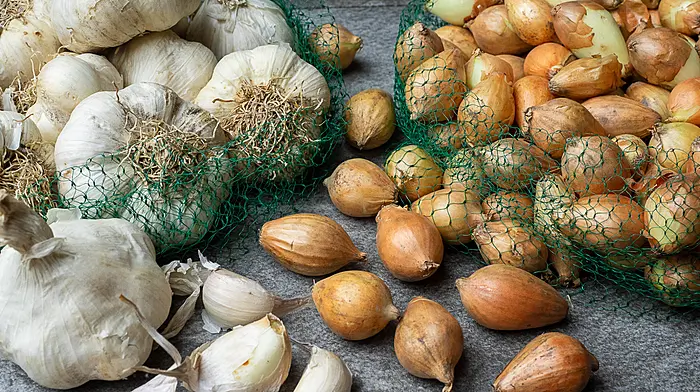
You may find packs of these in garden centres and shops or you can buy them online. My favourites are: Radar for an autumn planting onion set and Messidor for garlic. Both of these do well in West Cork gardens.
Garlic is extremely hardy and, although waterlogged soil can lead to losses, plants survive very cold conditions and make good bulbs in late June or early July. Onion rows will suffer more losses in a very wet or very cold winter, but in an average season enough will survive to give a good crop of bulbs in late June.
Plant sets/cloves in raised beds, or ridges, to aid drainage. Enrich the soil with good compost or a potash-rich feed. Dressing the surface with lime or wood ash is a good action on acid soils – pure wood ash is alkaline and is a good source of potash. Allow 15cm between onions and 20cm between garlic at planting time. If you have had issues with white rot in these plants in the past, then opt for larger planting distances to restrict the spread from plant to plant.
Cover rows with crop cover raised on hoops, or sticks, and keep this in place until next spring.
Spring bulbs
These do well in containers or in border soil. Daffodils can be grown through grass, but this does leave the dilemma of when to mow when flowering is finished.
There should still be flower bulbs for sale. Try tulip, narcissi and iris, for reliable performers. Add in a few low growing crocus and muscari then pick some more unusual varieties to try. A bit of experimentation can produce a great spring display.
Peas and broad beans
Sow hardy varieties in mid-October so they can get off to a good start before temperatures drop. Plants do best in a greenhouse or polytunnel or under a cloche. In severely cold weather, they may need an extra covering.
Watch out for rats and mice eating the seeds. Start seeds off in pots and plant out when seedlings are tall enough to reduce this problem.
Try Meteor pea, Oregon Sugar Pod mangetout and Aquadulce Broad bean.