
As usual, January has brought an influx of media pieces about diets, the kind many of us try at some point. Diets for health, diets to reduce meat consumption such as Veganuary, diets to lose weight. With diets on my mind and as a welcome distraction from setting my own New Year’s resolutions, I began thinking about the different dietary strategies of our local wildlife. From what they eat to how they find it, it is a world full of fascination and distraction.
Not just for cows
ADVERTISEMENT
Many wildlife species are vegetarian grazers or browsers. Grazers such as rabbits feed on low grasses and vegetation. Browsers such as deer reach higher for leaves, shoots, and fruits of woody shrubs and trees. Some animals, such as Irish hares, use mixed methods, grazing in spring and summer when grasses are lush and browsing in winter on trees like willow and birch. Our young hawthorn trees show obvious signs of hungry hares, yet most still manage to survive despite being repeatedly nibbled.
Grazers are not limited to land. Many aquatic creatures feed this way, most notably aquatic snails. Limpets on our rocky shores are grazers too. Although they appear still when exposed at low tide, once submerged the soft-bodied snail within the shell begins to move. As they travel they use a specialised tongue with rows of teeth, known as a radula, to scrape algae from the rocks. The material of these teeth is the hardest known biological substance and has been studied by scientists. Close inspection sometimes reveals scrape marks left by the limpet’s feeding.
Efficient predators
As we know, mammalian apex predators such as wolves and bears became extinct in Ireland. The mammals that remain are mesopredators, yet still skilled hunters. Predators survive by hunting and eating other animals. Foxes are efficient predators of mice, rats, voles, and rabbits, helping maintain natural balance. Their keen sense of smell is supported by excellent hearing and vision. Vertical pupils and extra rod cells allow them to see well at night, and their ears detect very low-frequency sounds, including small mammals digging underground.
Otters are impressive hunters underwater. They can hunt in darkness or in cloudy water by sensing movement. Their whiskers, known as vibrissae, are found not only on the muzzle but also under the chin and behind the wrists of the forelegs, helping them detect prey.
Offshore, blue sharks, tuna, and dolphins hunt fish, squid, and octopus. Each species has unique adaptations that maximise success. Blue sharks have a remarkable sense of smell that allows them to detect blood from great distances. Fortunately, Ireland has no predators that favour humans. Among birds, twelve species of raptor hunt using sharp eyesight, powerful talons, and hooked beaks.
Not fussy
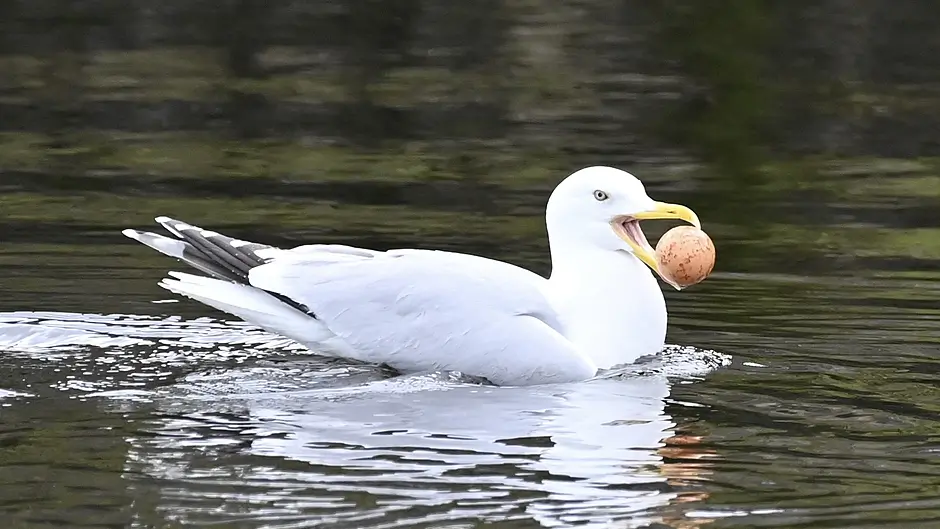
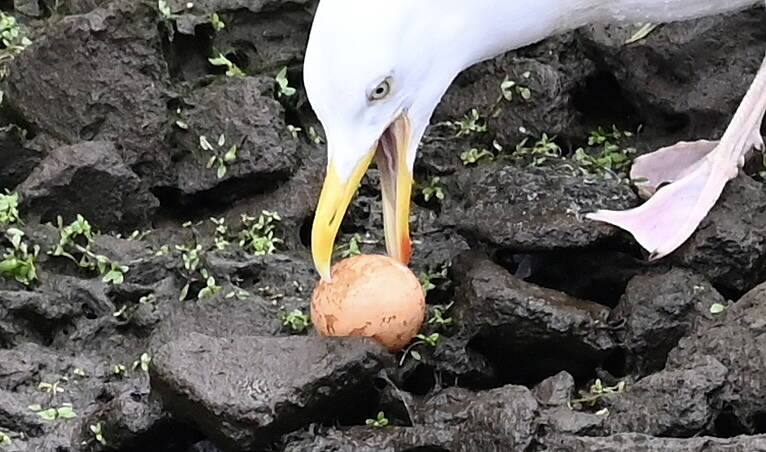
Many animals have a wide dietary range and in human terms we would say they are ‘not fussy.’ Otters and foxes again are good examples. Being generalists allows them to thrive in varied habitats and cope when one food source declines. Gulls such as herring and common gulls are also generalists. Although they are seabirds, they readily feed on human food waste and are well known for stealing chips. They gather in large numbers behind tractors ploughing or spreading slurry, feeding on earthworms that come up for air as their burrows are flooded with liquid manure. This adaptable approach helps them as offshore fish stocks fall. Some generalists are labelled scavengers, including hooded crows and rooks. Scavenging is simply feeding on dead or decaying organic matter. Despite the unglamorous name it plays an important ecological role by recycling nutrients and reducing the spread of disease.
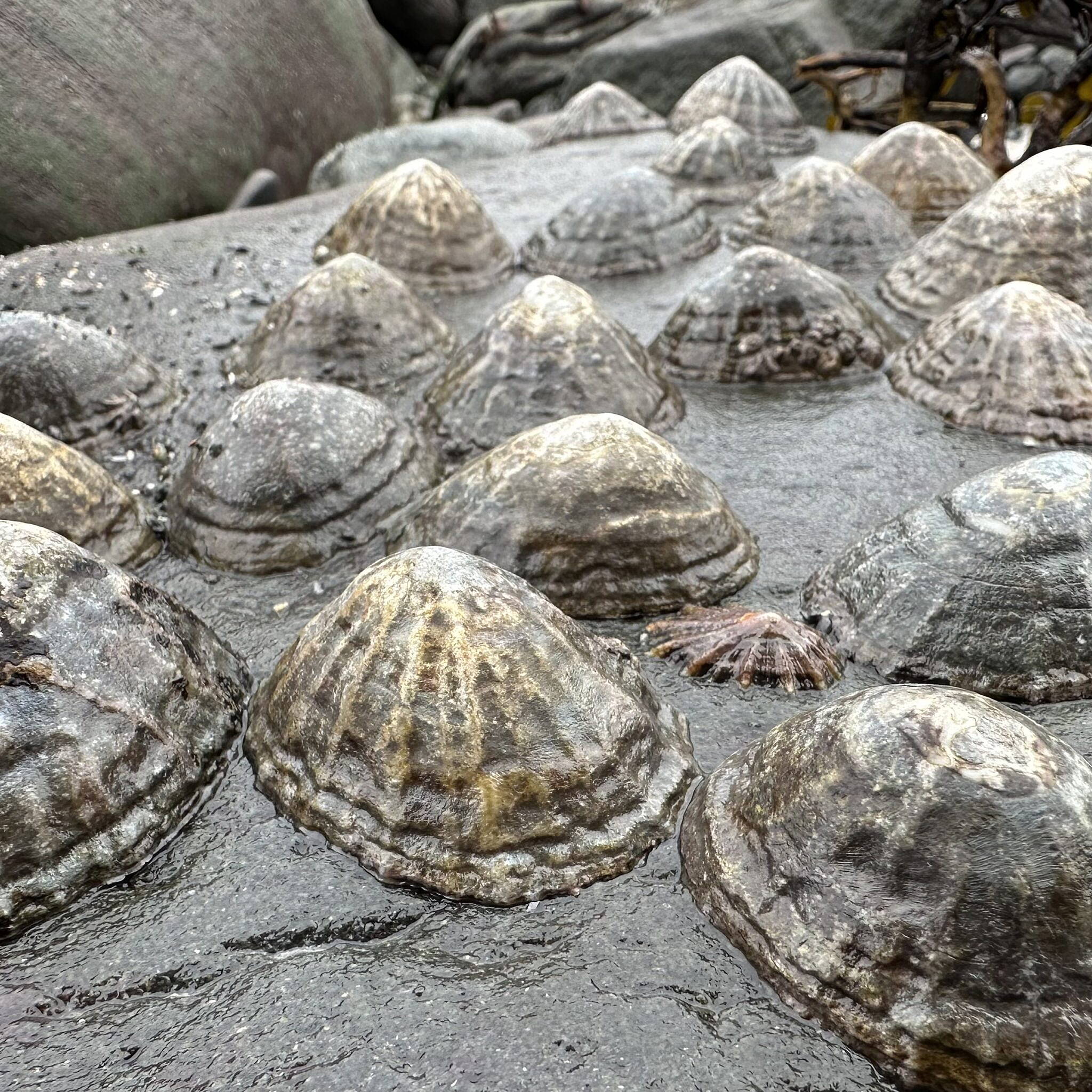 Limpets on shoreline look immobile but graze algae off rocks when the tide comes in.
Specific needs
Other animals are specialists that rely on specific foods. This makes them vulnerable if those foods decline. Research shows that specialists can be more efficient foragers and often have higher reproductive success than generalists.
As with humans, the situation can be crudely summarised that generalists are jacks of all trades while specialists are masters of one. Local specialists include woodcock, which feed mainly on earthworms, osprey that rely on live fish, and the marsh fritillary butterfly whose caterpillars feed only on Devil’s Bit Scabious.
Unusual strategies
Encountering animals that use unusual feeding methods is remarkable. It is surprising that a shark reaching up to 40 feet in length and weighing several tonnes survives by filtering sea water for tiny zooplankton. Yet the basking sharks that visit our shores annually do exactly this, funnelling huge volumes of water through modified gills called gill rakers. They filter around two million litres of water per hour.
Some birds practise kleptoparasitism, which involves stealing food from other animals. The great skua is a notable example. These migrant birds pass our coasts from April to October, with a small resident breeding population on the north and north-west coasts. About the size of a herring gull, they steal food from other birds, harass them until they regurgitate their meal, chase them until they drop it, and even force gannets into the sea to seize their catch.
I thoroughly enjoyed this exploration of wildlife diets while successfully avoiding too much reflection on my own diet!