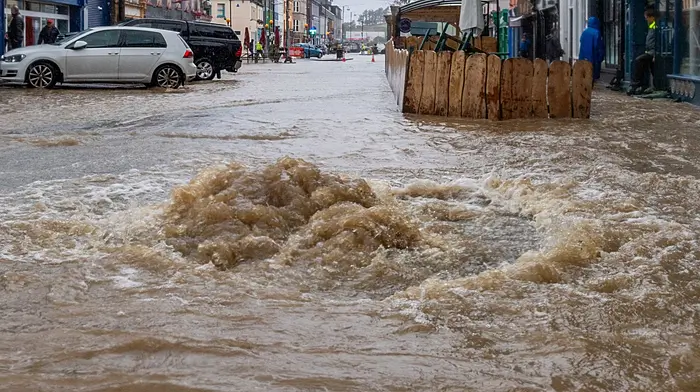

What is in soil and what it is made up of does not weigh heavily on the minds of most of us. For farmers, growers, conservation ecologists, and the most dedicated gardeners, however, it is an ongoing concern. Soil science is a complex interdisciplinary subject. Soil itself is made up of air, water, and minerals, along with plant and animal matter, both living and dead. Within this, and beneath our feet, lies an intricate ecosystem of bacteria, fungi, viruses, and other microscopic organisms. Together they form the soil microbiome, which is fundamental to life on Earth. Although much of the wildlife that lives in soil remains hidden, it is an important habitat for many species. One of the most crucial animals living there is, of course, the humble earthworm.
Ecosystem engineers
ADVERTISEMENT
There is not just one earthworm species. In fact, there are 28 distinct species of earthworm in Ireland. These wriggly underground ecosystem engineers tunnel through the soil, creating networks of tiny channels that improve airflow and water movement around plant roots. This enhances aeration, drainage, and the mixing of soil layers. Earthworms feed on soil as they tunnel forward, churning it in their muscular intestines and extracting nutrients. In doing so, they break down leaves and other organic material. They are natural composters, enriching the soil through their casts. Because they are so integral to soil health, scientists count earthworms within soil samples to assess soil condition and compare it across habitats. Considering Ireland lacks moles, which perform similar underground services, our earthworms are truly a cornerstone of soil health.
Worm wonders
Earthworms are ecologically important, but they are also fascinating animals. They are cold-blooded, meaning that they rely on their environment to regulate their temperature. They are hermaphrodites, capable of producing both eggs and sperm, but they do not self-fertilise and require a mate. Fertilised eggs are laid and protected within a cocoon. Earthworms can live for four to six years and they have five hearts. They do not have lungs and instead breathe through their skin. If soil becomes too waterlogged, they must rise to the surface to breathe. Because they spend their lives underground, their skin has no protection from ultraviolet light. Their skin must remain moist, as drying out prevents breathing. This is why they are usually seen above ground only on dull, wet days or at night. If we find them stranded on roads or in sunlight, many of us move them back to soil. It feels like a small return for the benefits they provide. In Ireland, the longest earthworm you are likely to see is around 35 centimetres. By contrast, Australia is home to the giant Gippsland earthworm, which can exceed two metres in length.
Food chain foundations
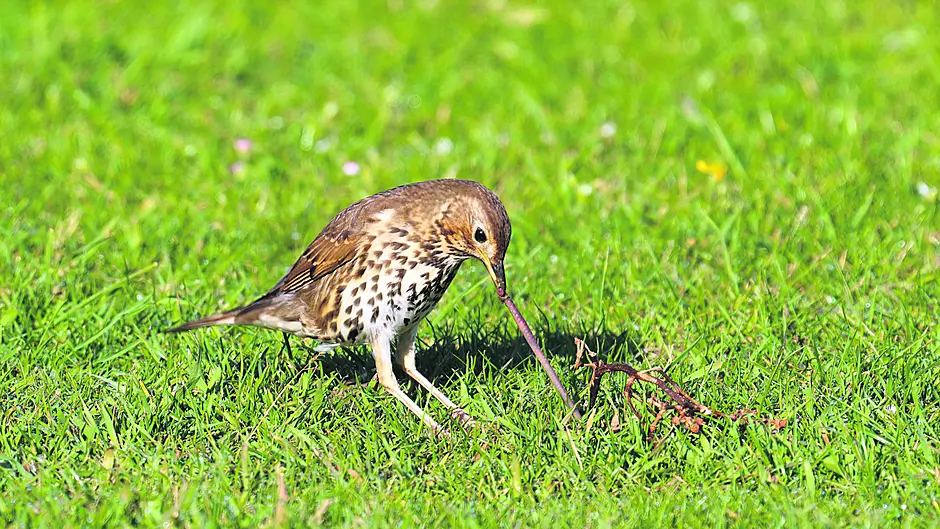
The benefits of earthworms extend beyond the soil. They are integral to the wider food web, providing an important food source for many birds, including robins, blackbirds, thrushes, and even buzzards. They are also eaten by frogs, smooth newts, lizards, badgers, pine martens, and various beetles. This lengthy list of predators highlights their ecological importance. These native earthworm predator species have evolved alongside earthworms in a balanced predator and prey relationship. Recently, however, this balance has been disrupted by the accidental introduction of non-native earthworm eating flatworms.
Accidental imports
Flatworms also live in soil, but unlike earthworms they are unsegmented and flattened, with ribbon-like bodies. Ireland has four tiny native flatworm species, which are an important part of our ecosystem. Unfortunately, they are now outnumbered by eight larger non-native land flatworm species. These unwelcome arrivals have hitchhiked from as far away as Australia and New Zealand, hidden as adults, eggs or cocoons within the soil and roots of imported plants. The most infamous is the invasive New Zealand flatworm, first recorded in 1963. Slimy and dark brown to grey with pale edges, it can grow up to 20 centimetres long. West Cork appears to be a particular hotspot for this species, as well as other non-native flatworms.
Obama flatworm
Three non-native flatworm species are especially well-known for hunting and feeding on earthworms. These include the New Zealand flatworm, the Australian flatworm and the Obama flatworm. The Obama flatworm, Obama nungara, is the most recent arrival and was first reported in Ireland in 2020. It has no connection to the former United States president, although the name makes it memorable. The species originates from Brazil and takes its name from the Tupi words for leaf (oba) and animal (ma), reflecting its flattened, leaf-like shape.
Taking action
When buying, selling, giving, or receiving rooted or potted plants grown in soil, it is important to check for flatworms to avoid spreading them. Buying locally grown plants rather than imported stock can reduce the risk. Immersing new plants in water may force flatworms to the surface, although eggs and cocoons can remain hidden. Checking does reduce the likelihood of spread, and any flatworms found should be reported via www.invasives.ie. These reports help scientists track distribution and develop management recommendations. Identification guides are also available on the website. Despite their lowly appearance, earthworms are indispensable, and reporting their enemies is a meaningful step towards protecting them.
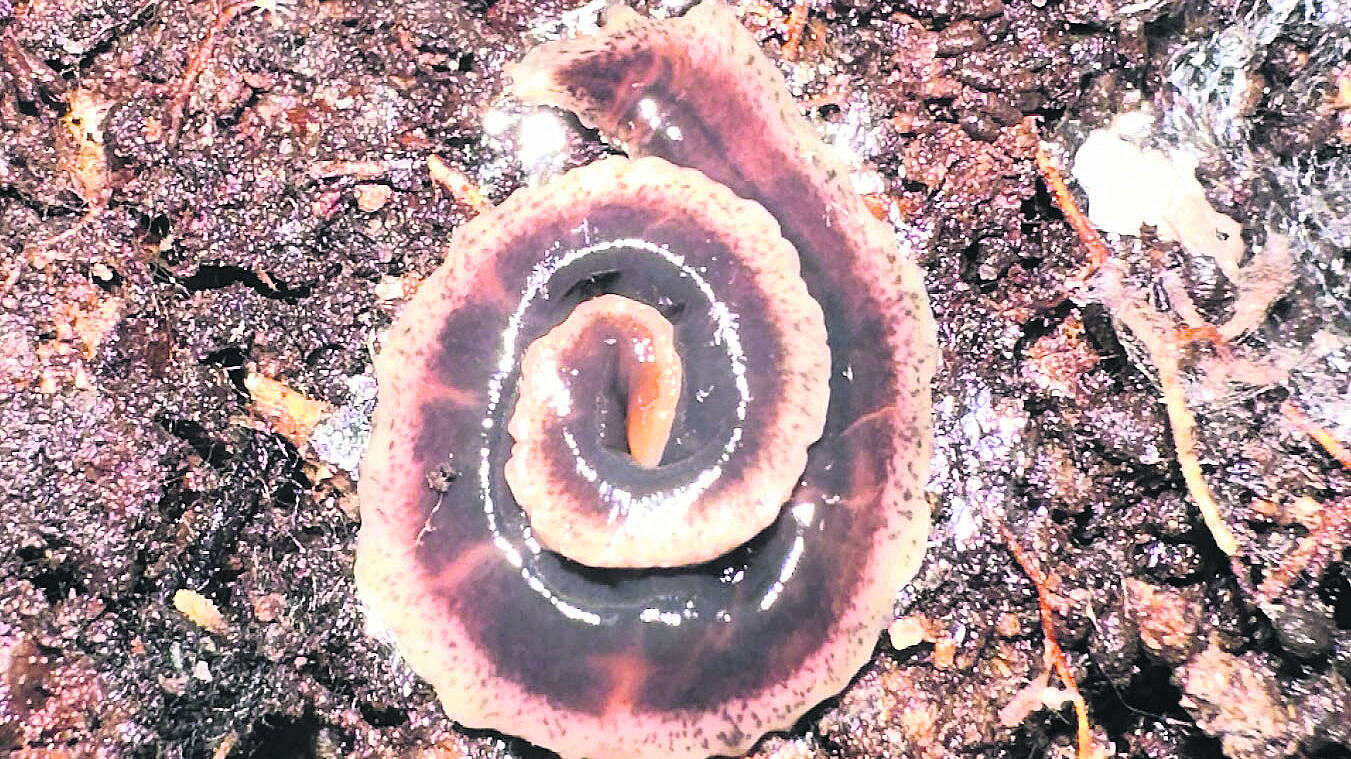 A New Zealand flatworm in their typical coiled pose, these hunters of earthworms may often be found resting under plant pots. (Photo: Ann Haigh)