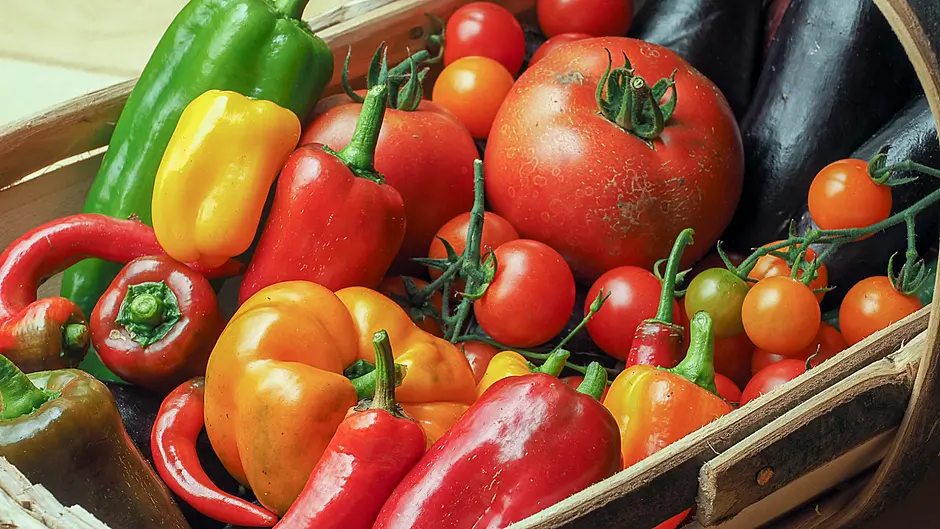

We have had some cold nights and our first frost of the autumn. This was a bit earlier than usual and temperatures have settled back into a more normal pattern.
Tender plants may not show serious signs of damage after one or two light frosts, but it won’t be long before colder temperatures become more established.
ADVERTISEMENT
If your peppers, aubergines and cucumbers are in a greenhouse or polytunnel, they may have a couple more weeks of production in them.
If plants are outdoors, or ailing, then pick all useful fruits to bring into the kitchen and consign plants to the compost heap.
You won’t get many more new fruits from here on. Whole chilli peppers can be frozen or dried; sweet peppers and aubergines make great dishes for the freezer.
Bumper fruit harvest
It’s been an outstanding year for fruit of all kinds. Berries are in bags in the freezer; apple sauce has reduced fruit to a smaller bulk before freezing; pears make the most delicious crumbles; and jams and chutneys are filling cupboards – we may be approaching the limit as to how much fruit an average family can harvest, eat and store!
Pick tree fruit carefully and choose only the unblemished ones for storage. Wrap individual fruits in newspaper to reduce the spread of disease and pack them in layers in boxes. Apples store for several weeks in a cool dry shed, but you do need to inspect regularly and remove any that have browned or softened.
Don’t feel guilty about discarding small or blemished windfalls. Add these to the compost heap and work your way through larger and easier-to-handle specimens. You should aim to clear all fallen fruit so it doesn’t spread disease or create an accident hazard in the garden.
Herbs
And while we are talking about harvesting and storing… it is still worth cutting some healthy herb sprigs to dry in the kitchen. Try to avoid flowering shoots and look for young leaves if possible. Dried leaves can be chopped or crumbled and stored in jars. They add a delicious flavour to winter cooking.
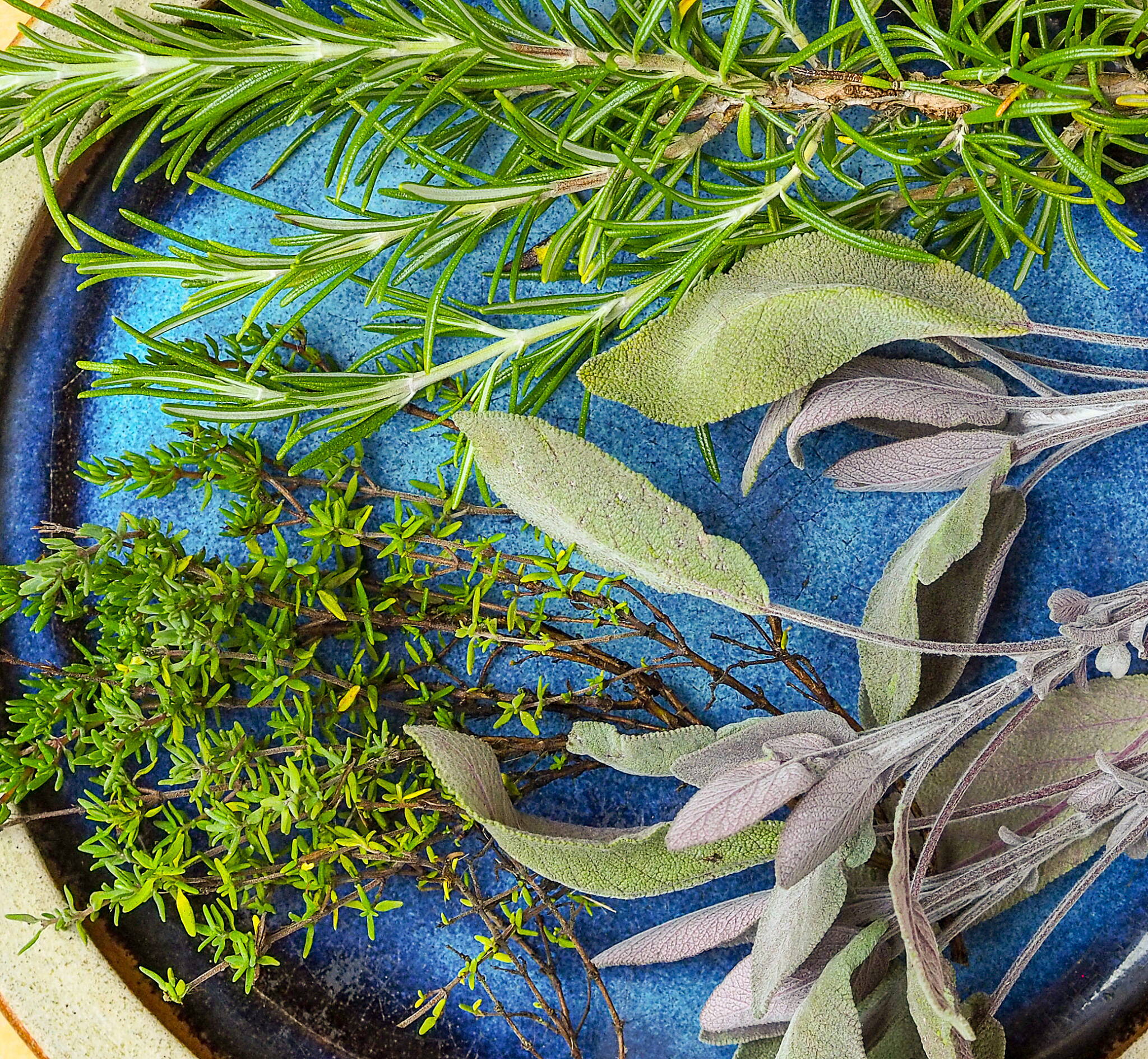 Dry some herbs for easy use in winter.
Clear and tidy
Many vegetable plants have finished early this year. Don’t leave dead stems and leaves to moulder on the beds. Pumpkins ripened and were harvested early, so gather up any remaining foliage and add it in layers to the compost bin. Any nitrogen rich source, such as manure or grass clippings, can go in alternate layers. You may need to chop long stems, or fold and compress them a little, so they squash down in the heap. Small air pockets are good, but too many large ones slow down the decay and heating process.
Some climbing beans and rows of late peas may be past their best. Again, the foliage is better making compost than left in place. Legume roots have nitrogen fixing nodules, so you can leave them in the ground to rot, but most of the fixed nitrogen is used by the plant so you don’t gain much by leaving a few roots in.
Clear all weeds from empty beds and dig the soil over if you want to loosen the structure. It’s always best to cover empty beds. This protects from heavy rain and keeps more nutrients in the soil.
Plant up containers
This is a good time to get spring bulbs into pots, but it is also a good time to look for late autumn and winter flowering plants. Look for winter violas as tough, frost-hardy plants that provide vibrant colour. Miniature cyclamen do well in a sheltered position, where they aren’t exposed to too much rain. Some pretty-coloured pansies, primulas and asters will flower for several weeks – plant in a large container and grow against a house wall.
It’s worth looking in garden centres and many supermarkets offer an array of cheap options. Try something different to get a cheery flash of colour in winter.
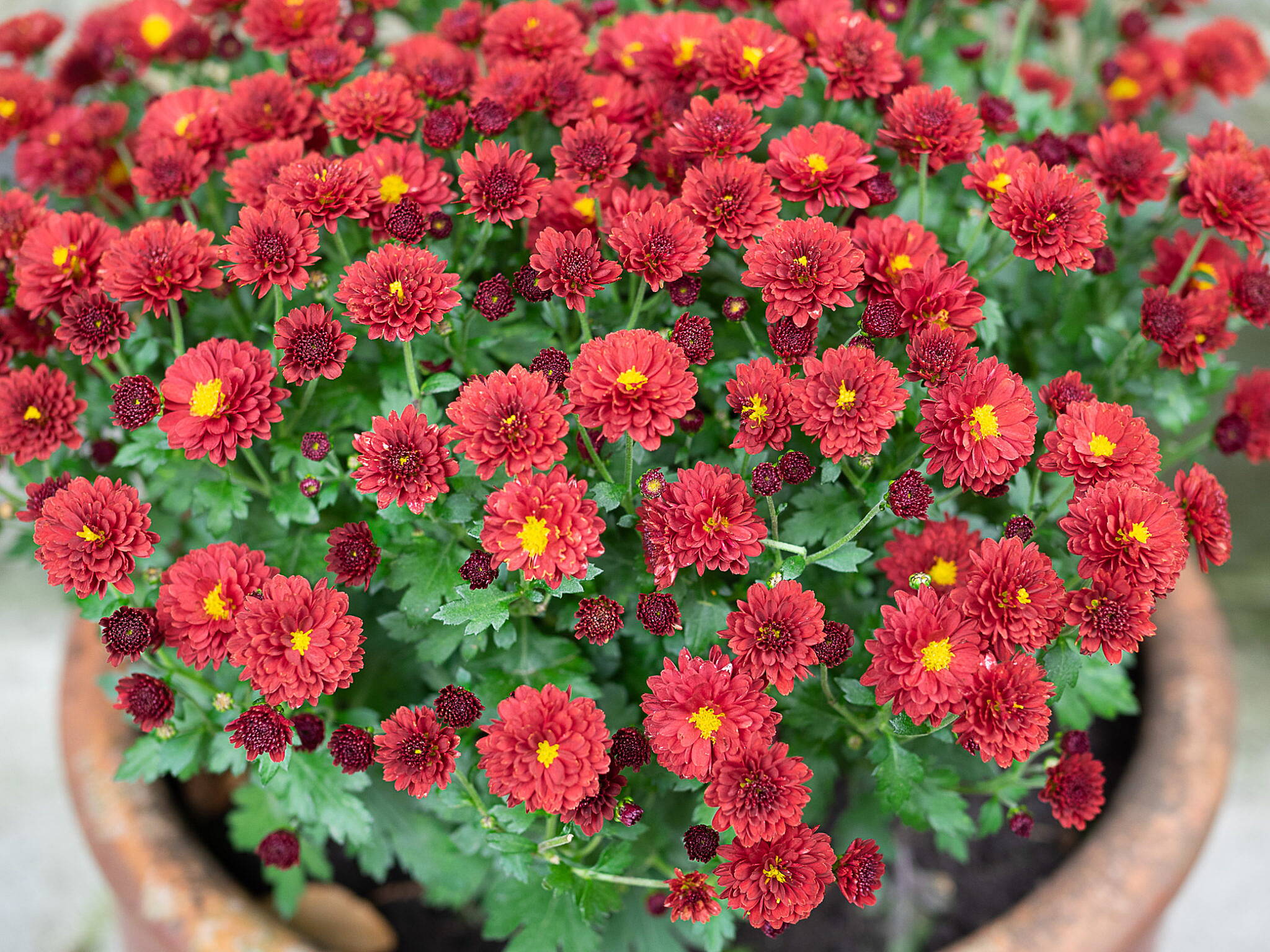 Asters can flower for weeks in containers.
Still time to sow and plant
Spring cabbage will produce plants that are ready for harvest in late spring from an early October sowing. Sow in pots or modules under cover and protect from slugs while these are still active. For earlier and more reliable spring crops buy plants where possible.
Winter lettuce can be sown now for growing on in a polytunnel or greenhouse. This will be the last reliable sowing before next year. Rocket, mustard greens, mizuna and mibuna can still do well from October sowings.
You can sow hardy varieties of pea and broad bean now, but if we get a mild autumn plants may grow too fast and not be as hardy for cold winter weather. It may be safer to wait a couple of weeks before sowing.
Autumn planting varieties of garlic usually do very well if planted in October. Avoid very wet soil and use crop cover to protect against cold weather.