AMENDMENTS to new short-term letting legislation have been broadly welcomed as ‘a lifeline’ for tourism operators in West Cork.
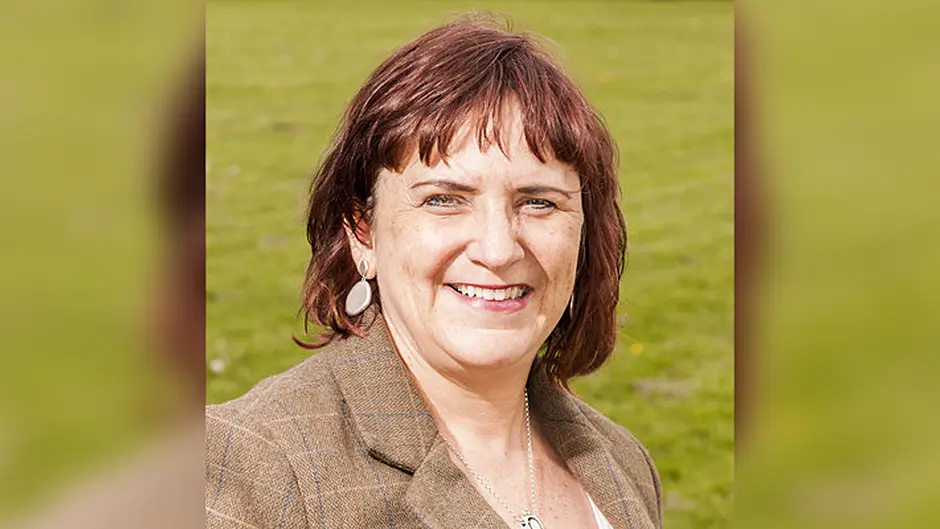
Maire Ní Mhurchú, the CEO of Irish Self-Catering Federation, said the decision to raise the threshold for self-catering properties to towns with populations in excess of 20,000 will benefit rural areas and small towns throughout the country.
‘We are delighted that the government and the minister for tourism have come to the decision to allow for self-catering in rural areas and small towns, but we still need clarity on what the full proposals are,’ she told The Southern Star.
ADVERTISEMENT
Initially, the EU had mandated strict new rules for the self-catering sector, such as a requirement that every self-catering accommodation provider be listed on a register before the month of May.
In Ireland, each self-catering accommodation provider was also being asked to secure, or comply, with planning through their local authorities.
The CEO of Irish Self-Catering Federation agreed that a register is needed to give people clear data on how many properties there are in the sector and the economic benefits they provide.
Maire Ní Mhurchú commented on unofficial reports that ‘the grandfather rule’ is to apply saying: ‘This could mean those who have been operating for seven years, or more, need not apply for planning permission.’
For those, who do not come within the grandfather rule, and are obligated to apply for planning permission, or retention, Marie said they are to be given a grace period of about two years to get their affairs in order.
The CEO pointed out that new planning guidelines, which are due to be issued under national planning strategy, will assist those who need to apply for planning permission.
Maire Ní Mhurchú said the amendments, which were announced on Tuesday, ‘will give people in the industry breathing space.’
And she underlined the importance of small self-catering operators saying: ‘They are vital in places where it is not viable to construct hotels.’
If the measures had gone ahead, as originally proposed, the CEO suggested that people involved in AirBnB businesses, and self-catering rentals, would have left the industry like lemmings.
The minister for tourism, Peter Burke, was of the opinion that the new regulations will build resilience within the tourism sector, but opposition parties complained that the amendments will reduce the number of properties available for rent.
Meanwhile, legislation to introduce significant changes to the rental market was voted on in the Dáil on Wednesday.
Under the terms of the new Residential Tenancy Bill, landlords whose properties become vacant from March 1st will be able to reset their rents to market rates.
The government is introducing the Bill in the hopes that it will lead to the supply of more rental properties.
The Bill will not result in any changes for existing renters, but it is expected that it will provide greater security of tenure for new tenants who will be able to secure leases for at least six years.