EDITOR - Someone brought to my attention Majella O’Donnell, who was on the Late Late Show (Friday, 6th Feb). I didn’t know what it was about, before I saw it on RTÉ Player.
One other person I know had seen it and was very impressed and admiring of her and I can see why. It made for riveting viewing as she spoke to Patrick Kielty of her experience of severe depression and of the excellent help she received at St John of God University Hospital in Dublin.
She wanted to be treated the same as everyone else and she didn’t want her beloved husband, singer Daniel O’Donnell, visiting her in hospital as she didn’t want any fuss or attention. Her priority was to get well, which she did.
ADVERTISEMENT
I read that the hospital is the national centre for the treatment of depression and can accept referrals from GPs around the country for public or private patients, if there is a bed available. I thought this is important to know if anyone feels in need of more support to recover from a severe depression episode.
Majella asked at the end for the government to retain the Donegal to Dublin afternoon flight service which is important, she said, for people in Donegal where she lives and in the local off-shore islands who need to go to Dublin for cancer treatments. They can return on the afternoon flight rather than waiting all afternoon for the evening flight. There are morning, afternoon and evening flights and the worry is the government may remove the afternoon flight. Hopefully, after her strong appeal on the Late Late Show they will retain it.
She emphasised for anyone with depression to go to their GP and say what they need. In her case, she needed in-hospital support. This too shows the strength of RTÉ’s Late Late Show when it highlights issues in the public interest.
Mary Sullivan,
Cork.
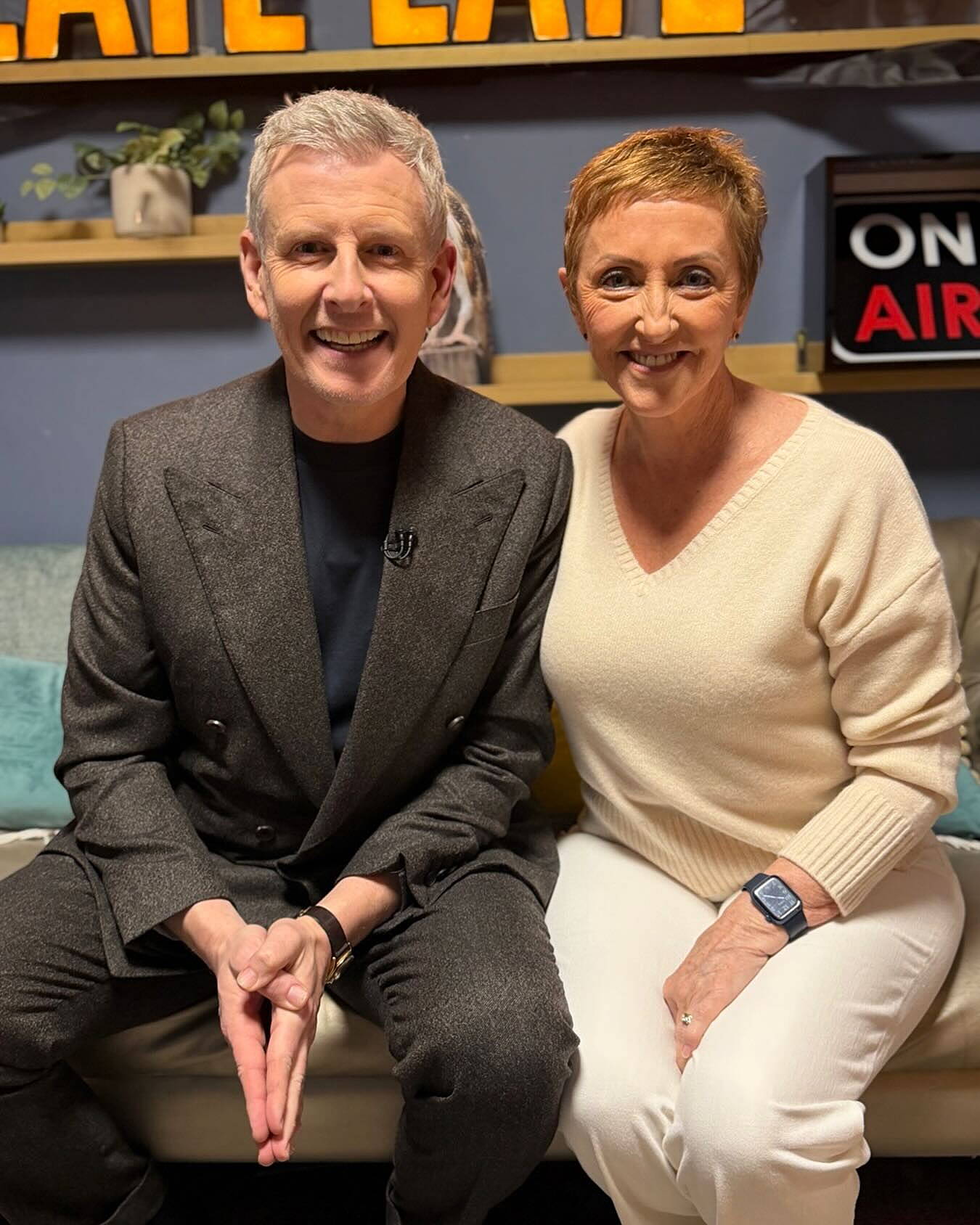 Host Patrick Kielty with Majella O’Donnell. (Photo: courtesy of RTÉ)
We must stop hunting vulnerable bird species
EDITOR - Nature and Biodiversity Minister Christopher O’Sullivan has this month announced that ‘many waterbirds are under threat’ in Ireland.
He was referring to the depressing findings of the ‘Status and distribution of wintering waterbirds in Ireland’ report which reveals that some waterbirds ‘have suffered declines of over 50% since 1994’ and others ‘experienced more moderate declines of between 25-50%’.
The report acknowledges that hunting is one of the pressures negatively impacting populations. Imperilled birds include species which Minister O’Sullivan’s department allow hunters to blast out of the sky for fun for five months of the year.
Among them are Golden Plover (the population has seen a ‘large decline’ since the 1990s and over the last five years there has been a ‘significant decrease in numbers’), Teal (a small breeding population and ‘a recent short-term decline in Irish-wintering numbers has been evident’), Gadwall (‘a substantial decline over the last few years’), Wigeon (declined by a third since the 1980s) and Tufted Duck (‘declined by 55% since the 1990s, with a very large decrease of over 30% in the last five years’).
Minister O’Sullivan has declared that ‘we can all play a part in protecting our waterbirds’, pointing to ‘simple actions like keeping your dog on a leash in wetland areas and keeping your distance from them during their feeding and resting periods’.
In the ongoing biodiversity crisis, with a cacophony of alarm bells clanging, will he play his part by stopping the recreational shooting of vulnerable birds before their plight worsens?
Philip Kiernan,
Irish Council Against Blood Sports.
In defence of the Irish agricultural industry
EDITOR - I strongly disagree with Mr Don Teegan’s view of our well-run and well-managed agricultural industry. Ireland is the most suitable country in the world for agriculture, with its mild and soft climate ideal for milk and beef production.
It is the envy of many countries especially, those experiencing record-breaking heatwaves and droughts over the summer months.
Irish farmers and their families are very responsible people, and a very mindful of their surroundings. Out on an Irish farm, it is a healthy place to live. Long may it continue the way it is.
Our countryside looks well, especially over the spring and summer months. Why cull our herds, that are the backbone of Irish farming and employment in rural Ireland?
Jeremiah McCarthy,
Clonakilty.
Cork County Council have my sympathy
EDITOR - The roads seems to be washing away in front of my eyes, and I wonder if we will have to revert to dirt tracks or some alternative.
It would be safer driving down a boreen than the road from Drimoleague, and even in Skibbereen town the road is rough and rocky especially coming over the bridge.
It feels like every road I drive down, I am swerving and I am not the only one. There are miles of roads in West Cork and it feels like the problem is insurmountable.
With every shower of rain it gets worse and worse, and the council’s pockets are not that deep. I think we would be better off resorting to cobblestones; at least they can’t wash away.
Annemarie Crowley,
Skibbereen.