Strobe lights, slow sets and dancing round your handbag. RIP to rural rites of passage

BY the time I was a teenager in the 1980s back in Beara, the nightclub had fully taken over from the showband-led dancehall.
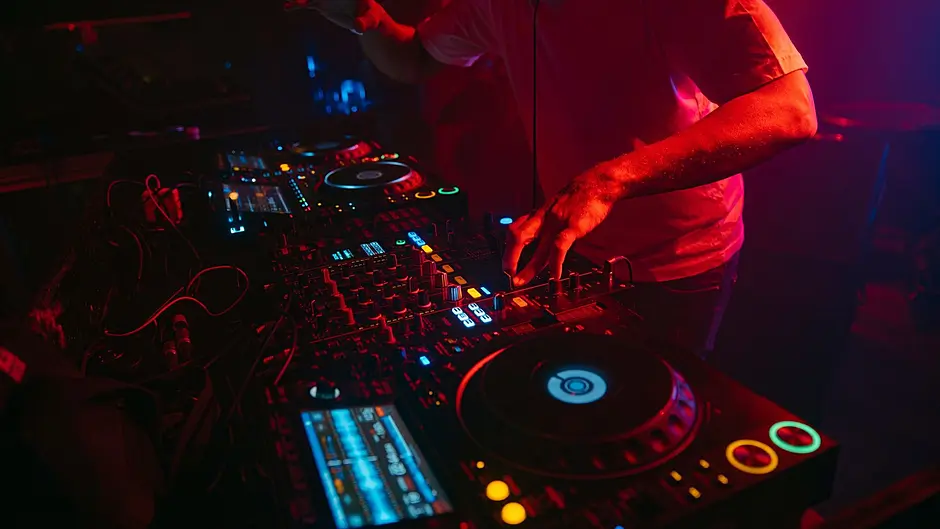
The old halls in Allihies, Adrigole, Ardgroom, Castletownbere, Eyeries and Lauragh, once the beating heart of rural nights out, gave way to a new era. The reign of the vibrant showbands was over; the more economical single DJ was in.
ADVERTISEMENT
The 1980s could have been the epitome of misery. For students and school leavers about to face the real world, it was a precarious time. The dole lines were long, job opportunities scarce, and recession was constantly a talking point.
Almost every weekend back in Beara, there were gatherings for those about to get on the boat or board that plane for America, not knowing when they would return.
But for a generation of teenagers like myself, there was an escape. A revolutionary music scene was in full swing, with sounds and lyrics that spoke to the youth, giving us hope and bringing us joy.
Culture itself was shifting too: the music we heard in the clubs and the clothes we wore were shaped by Britain and America. We were glued to Top of the Pops and MTV, soaking in the sound and swagger.
For youngsters all across West Cork, the rural “discho” became the place where we forgot about the worries of the week, and this new type of nightlife turned out to be epicentre of our universe.
In this fresh chapter of music, my hometown of Castletownbere had three legendary venues: The Wheel Inn, The Beara Bay Hotel, and, on certain blessed weekends, the Camtringane Hotel.
On top of that, we had our own local heroes behind the decks, PJ the DJ and Danny Van Etten. Ibiza had nothing on us.
Every weekend, those places heaved with bodies. Sweaty young people danced under coloured lights and flashing strobes while icy smoke machines pumped out clouds across the floor. The walls dripped, the floors stuck, and the scent, Lord, the scent, was unforgettable.
Brut, Old Spice, Hi-Karate, the occasional waft of White Musk or Anaïs Anaïs, all tangled with porter, tobacco, and a hint of silage drifting through the open windows. That was the olfactory signature of the rural disco.
The music was truly the heartbeat of our nights. The DJs expertly wove our beloved old favourites with the new, energetic sounds of the New Romantics, post-punk, and Ska. On one end of the floor, the heavy metal set thrashed to AC/DC, and Guns and Roses riffs tearing through the speakers, while on the other, The Pogues stamped us into the floorboards, and The Proclaimers’ 500 miles, shouted more
than sung.
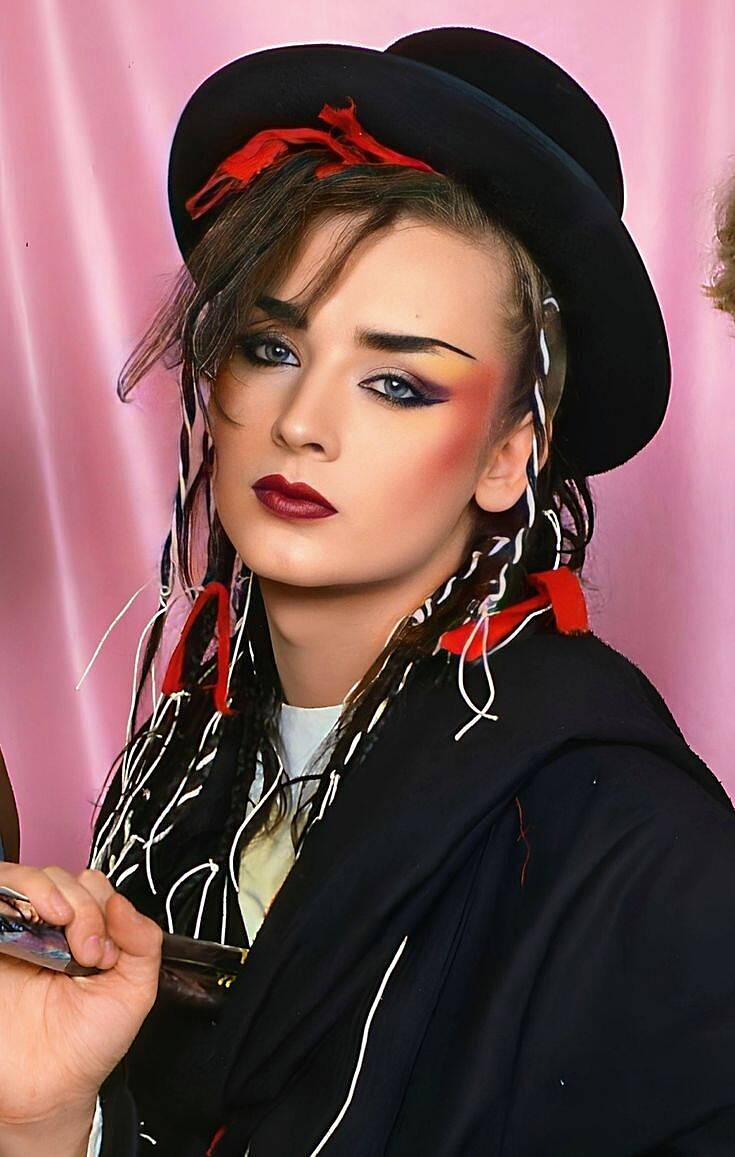
Then came the pop gods: Adam and the Ants, Madonna, Wham, Duran Duran, and Prince, global superstars who somehow felt entirely our own. Woven into this contemporary soundtrack were the essential Irish staples like Horslips, The Boomtown Rats, U2, and Thin Lizzy.
I can still recall the scene vividly: a classmate, his mullet perfectly crowned, stuffed into snow-washed denims and Adidas runners, giving a truly heroic air-guitar performance to Van Halen’s ‘Jump,’ specifically during that defining keyboard solo.
Everything, however, was merely preparation for the slow set. When the lights dimmed and the beat softened, the air thickened with teenage possibility.
‘Shifting,’ as we called it was the ultimate rite of courage. The boys undertook the long, nerve-wracking walk along the line of seated girls to ask for a dance. Rejection was public and devastating; a yes was pure heaven.
The slow set was the crucible where crushes bloomed, hearts cracked, and memories rooted themselves forever.
When we drank, it was Stag, Ritz, or Satzenbrau, consumed with the firm conviction that we were being profoundly sophisticated.
What on earth would we have done without the sheer release of dancing around our handbags?
In a quirk of Irish law at the time, clubs with late licenses were required to serve food. So, at the appointed hour, the music would screech to a halt, the harsh lights would blast on, and trays of chicken and chips in baskets would
appear.
The admission cost had included this food, yet half of it usually ended up stomped into the sticky floor long before midnight. That was why your shoes always had to be wiped thoroughly on the grass outside before you dared go home.
To cap off the night, most bands and DJs were also expected to play the national anthem as the final official
song.
And still, despite the bizarre interruptions and formality, the venues would be absolutely hopping. Everyone came together; that sense of place and belonging belonged to all of us.
All over Cork, clubs formed their own constellation: Cleo’s in Bandon, The Beacon in Baltimore, The Eldon in Skibbereen, Wilburys, The White Lady, Amadeus, Chasers, Ibex, Spirals, Riadas, Gatsby’s, Skyline, all long gone now, but the memories remain wild and warm.
Most young people today will never know the ‘discho’ rite of passage. Those nightclubs are gone into legendary, mythic status. Times change. What was vital to the youth of the 1980s might mean nothing now. Nostalgia keeps the good and blurs the rest.
Youngsters will never taste that madness, the squeal when your favourite song dropped, the heat rising off the floorboards, the feeling that the night belonged to you.
In stark contrast to those days of universal, vibrant social spaces, the contemporary Irish night-time landscape is fading. In 2025, statistics gathered by Give Us The Night, an independent volunteer group campaigning for reform, illustrate this sharp decline.
They estimate that only 83 dedicated nightclubs are managing to keep their doors open in towns and cities nationwide, a number which has already dropped by two since the report was issued, with only five remaining here in County Cork.
Nightclubs are now closing at an alarming rate due to a combination of factors including the high cost of living, drastically increased operating costs, and rising energy and labour expenses, making profitability nearly impossible.
The rural disco heyday is gone. But if you were there, truly there, you’ll carry it with you forever.