
This is a good time to do a final tidy up of the garden. Whatever you do now will stand you in good stead for the winter and it can give you a head start next spring.
It’s a good idea to make a list and work your way through it from the most important jobs down to the lesser ones.
ADVERTISEMENT
These will vary from garden to garden so go out and look around and decide what to prioritise.
Some jobs to do now
• Clear beds and remove any diseased foliage. Cover with mulch if you can.
• Turn the compost heap to add in more air and bag up any compost that’s good to use.
• Put away pots and tools so they are clean and ready to use when you need them.
• Mend paths and edging boards if needed. Fix broken door and window catches too.
• Move pots and containers into sheltered positions by a house wall.
• Check all supports and ties. Remember, string rots and may need to be replaced.
• Ventilate greenhouses and polytunnels to reduce mould problems.
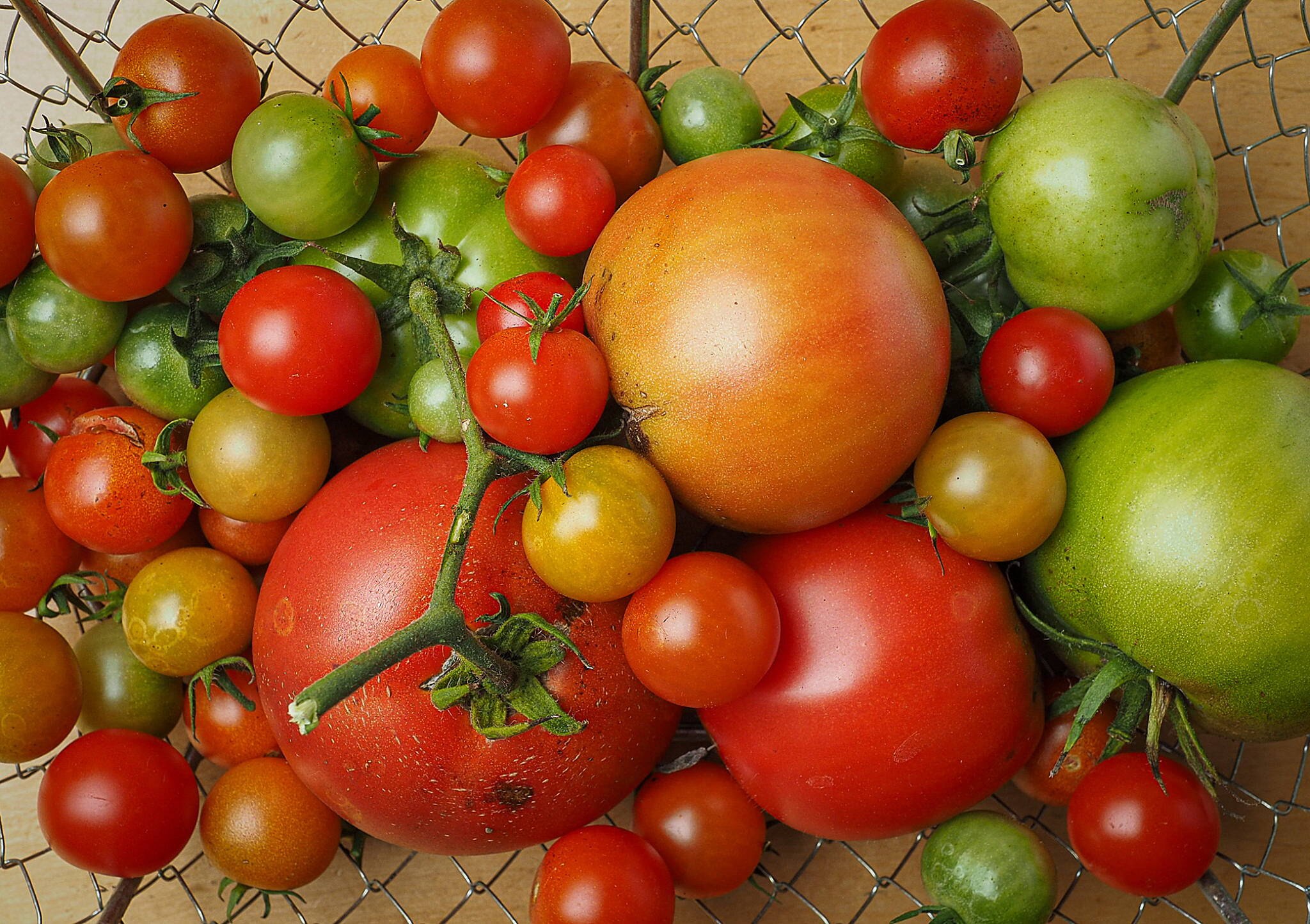 Red tomatoes help green ones to ripen on a window ledge
Pruning fruit trees
The apple-pruning season starts in November, but there is no rush to get fruit trees done. You have a few months before new growth starts and it is much easier to see what you are doing after all leaves have fallen. It can take a long time to prune a large apple tree and longer again to clear up all the cut branches. Decide on your pruning method (different gardeners have slightly different approaches) and be methodical. You don’t have to prune a whole tree at once, just work your way around so it is easy to see where to start and finish.
If branches have signs of canker, then these should be cut out. You may get away with just cutting the canker patch from a main stem, but generally, cutting the branch a few centimetres below the canker patch is most effective.
Some trees, such as cherry, plum, and apricot, shouldn’t be pruned in the winter. They should only be pruned in late spring, or early summer, to avoid infection with silver leaf.
Don’t forget to prune overhanging branches from other trees too. These can soon encroach on the light that reaches garden beds and they can also break and do damage in winter winds. Call a tree surgeon if you need to tackle any large tree.
Look after leeks
It’s easy to ignore the leek bed. Provided plants don’t get smothered by weeds and the ground doesn’t dry out, they just keep growing away without much need for attention. Don’t neglect the bed for too long! If you sowed seed in February or March then there will be plenty of big plants to eat now. The white part of a leek is below the ground and the green leaves above are exposed to light. Take care when lifting, so the fork doesn’t pierce the stem. Eat and enjoy while plants are at their best.
You may be tempted to leave your leek plants untouched so you can use them later as the winter marches on. A word of warning here is that a hard prolonged freeze can turn stems to mush. Some varieties are hardier than others, but it’s always a good idea to put a protective covering over the leek bed if freezing temperatures are forecast.
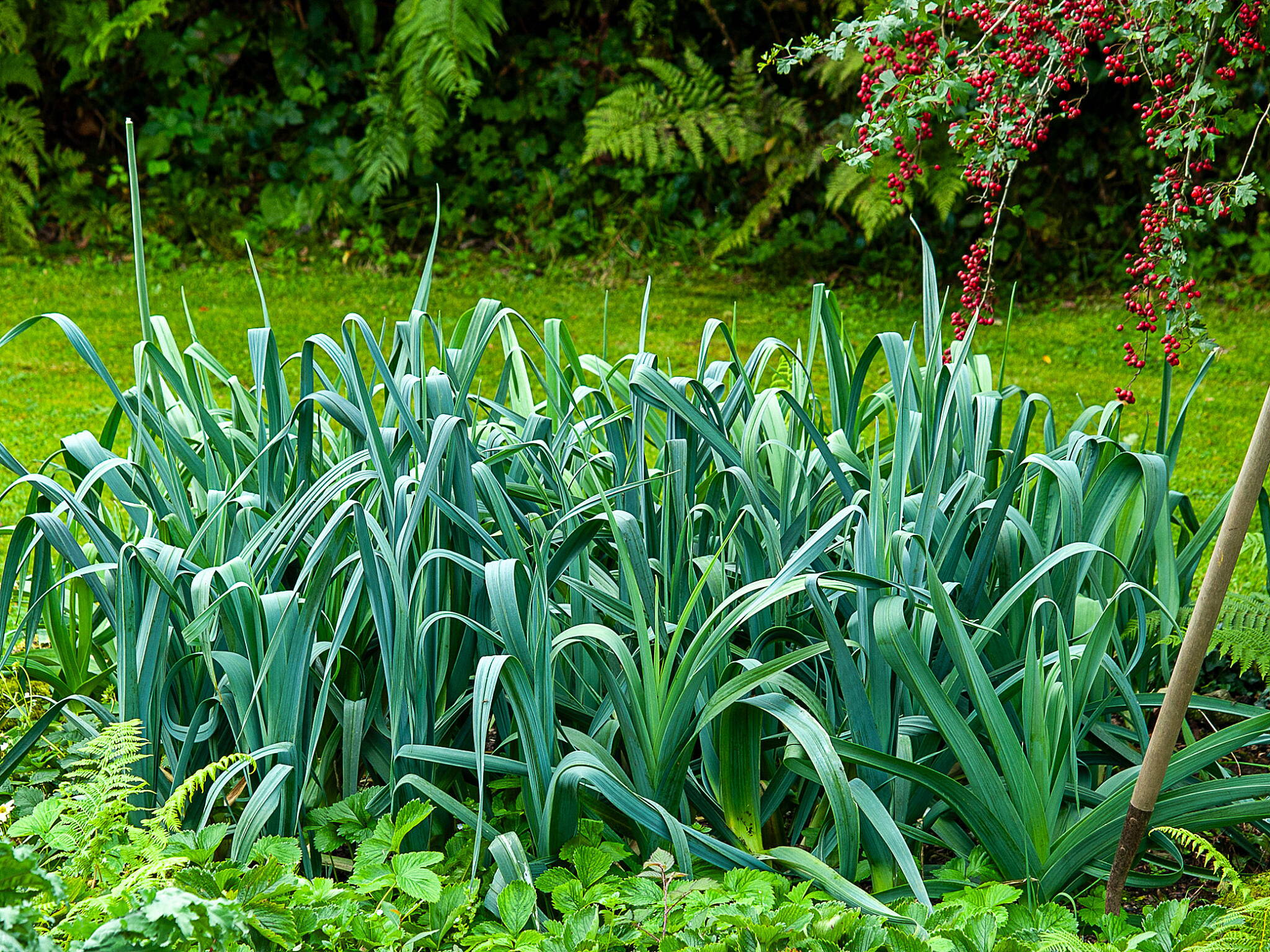 Don’t neglect your leeks at this time of year, as they may not survive a hard freeze.
Last tomatoes
Tomato plants have produced abundantly this year and you may still have some fruit on greenhouse plants. Plants can continue to crop for a few more weeks, but there always comes a point when the risk of carrying disease forward into next year is greater than the pleasure of picking a few December fruits. Choose your moment and harvest all remaining fruit. These can continue to ripen indoors on a sunny window ledge.
Lift plants and clear any fallen debris from beds. I prefer not to put plants onto the compost heap, as most will have some mouldy leaves or carry disease spores. Make a separate pile and cover it over with black polythene until the heap rots. You can introduce this material to a hot active heap next year when temperatures are high enough to kill disease spores.
Note: take care when lifting support poles or canes. It’s easy to puncture a polythene cover or even break glass if you pull a support out with a strong upward thrust!
Pak Choi
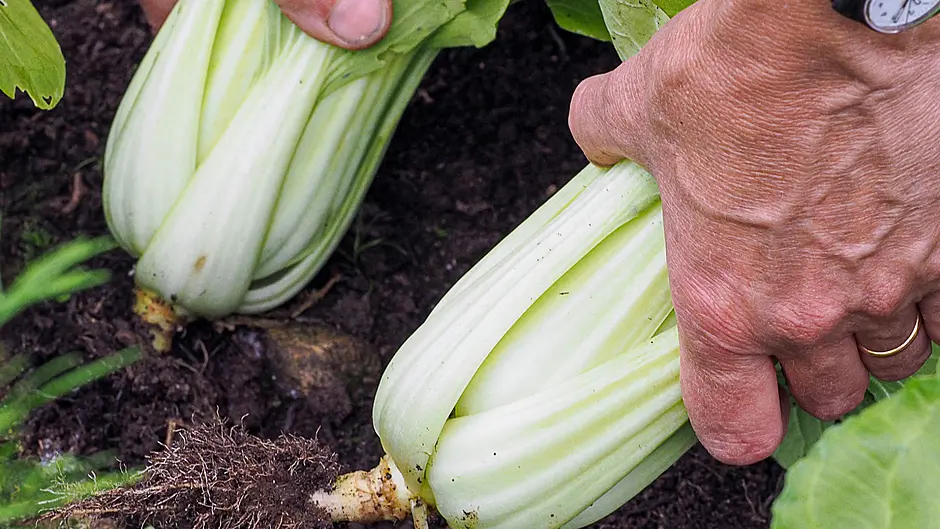
You can grow this vegetable in a polytunnel or greenhouse through into a mild winter, but plants will be lost if they are exposed to a hard frost. Pick and use plants as soon as they are big enough; small ones are delicious and it is better than losing the lot.
Cover the row with a bubble-wrap cloche if you want to stretch cropping for a little longer.