
HOPEFULLY the rain has stopped, or will let up soon, although that can be hard to predict even a day or two in advance. Nonethe-less, the ground must dry out at some point and you must be ready to seize the moment. If you have an undercover growing space then there’s plenty to do and you can keep sowing and growing whatever the conditions outside may be.
Greenhouse Propagators
ADVERTISEMENT
If you have a large heated propagator, or heat mat with a cover, then set it up in the greenhouse, or polytunnel, now. It’s always worth running the set-up for a day to check that all is working as it should. If the thermostat isn’t functioning, then you need to know that, and fix it, before you put precious seeds and seedlings inside. I keep an old duvet to hand and use this to cover over propagators at night. There’s no point spending more on electrical heating than you need and the extra insulation helps keep temperatures steady. Make sure any electricity supplies are safe and plugs stay dry. Once you are sure things are set up safely and running well, then you can get on with sowing and growing young plants.
In The Greenhouse And Greenhouse Propagators Sow cucumbers
I usually sow these in March and find this works well. Earlier sowings can produce plants more prone to root rot if planted out in an unheated structure. You can sow later and will have slightly later first fruits, but maybe fewer problems. Pot on Aubergines, tomatoes and peppers: These can go into individual or larger pots. The aim is to keep plants growing steadily, so always provide fresh compost before they exhaust nutrients or become root-bound. Sow Leeks, beetroot and Brussels sprouts: These can be in modules or trays. These don’t need high temperatures to germinate, but try to keep between 8C and 12C. Sow sweet peas: It’s ideal to get these into pots at 20C. These will provide a lovely outdoor display through the summer. Prepare the tomato bed: Start by digging in compost or manure. Make holes for each plant and fill with water a few times so the soil is soaked. Fill holes with compost, add a scatter of fish blood and bone meal if you have it. Fresh seaweed is great on the tomato bed, or scatter some powdered seaweed instead. Provide a strong support for each plant and leave the bed ready for two or three weeks until plants are ready to go out.
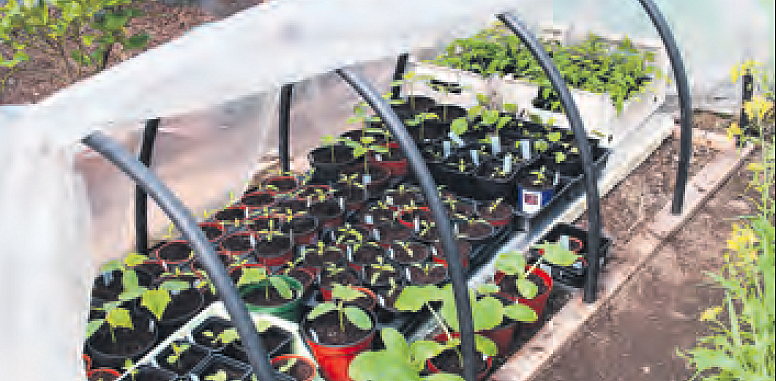 Set up propagators and check they are working. (Photos: Ben Russell)
What To Harvest Now
It’s been a hard enough winter between early low temperatures and later relentless rain. Lots of outdoor crops have suffered, to some extent, and some are only just bouncing back now. Don’t harvest from a stressed plant. Give it time to recover and then pick what you want. If a plant has rotted, then pull it out. If some leaves have suffered, but a plant is basically sound, then pull off the discoloured leaves and let the rest grow back. You can start harvesting again as soon as plants look healthy and strong. Chard and spinach grown under cover fared much better than outdoor plants. Lots of healthy young leaves are growing in response to lengthening days, so take what you want, but always leave leaves at the growing point untouched. You will get a few weeks picking before plants bolt. Kale and sprouting broccoli are both starting to produce shoots. Pick these from kale as soon as they are big enough and keep picking hard so the shoots don’t flower. Once this happens the shoots are tough and the plant can be removed. Be patient with broccoli – wait for shoots to fill out and grow before harvesting, if you want the best crop from each plant. Salad leaves can be cut as needed and lettuce is best used before leaves turn bitter. Autumn leeks will have turned to mush with the cold. Consign them to the compost heap and use any hardy winter varieties before they bolt.
 Swiss chard grows well in the polytunne
Narcissi
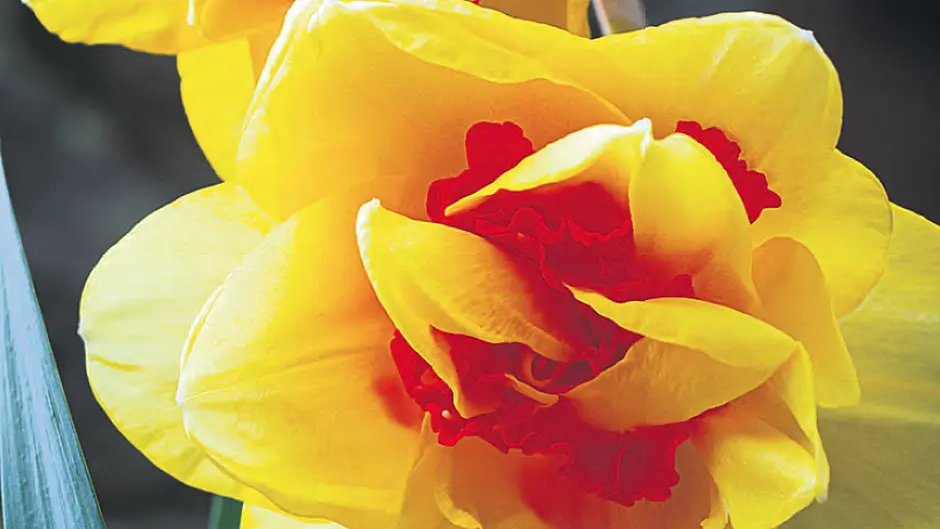
Early yellow daffodils have brought cheer to the garden and they are now followed by the later blooming, frilled, double and bicolour varieties. These fancier forms don’t seem to grow for as many years as the good old daff, but they do look wonderful in containers for the first year and in the garden border for one or two years after that. You may need to provide support for tall stems if growing in a windy spot. Note: St Patrick’s Day is almost upon us and the traditional time for planting early potatoes and onion sets. Make sure you have all you need for planting these crops, so you can get to work if the weather is kind, and the soil is dry enough, for the national planting holiday!
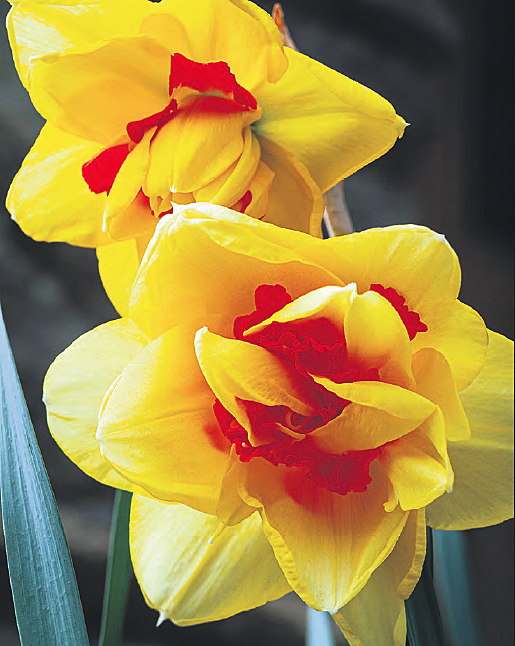 Fancy’ narcissi are coming into their own.