By Joyce Russell
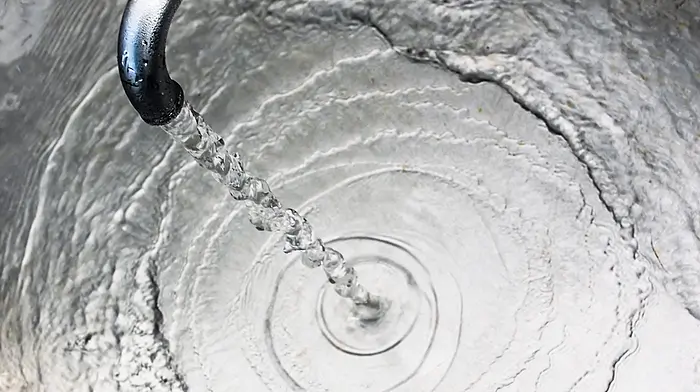
Thank heavens for any bit of rain and fingers crossed that there’s more on the way, because we really need some good downpours to keep things growing. A few millimetres of the wet stuff doesn’t do much to soak a dry soil, but there is still something about everything getting a drop or two rather than just saving water for the most vulnerable plants. It can help plant growth if leaves are simply washed free of dust.
Even if a bit of water has dampened the ground, you will need to keep using the watering can to soak further down. Push a finger into the ground and scrape the surface soil around – you will soon see what’s dry and what’s not. We may be lucky and our gardens will get the rain that they need. If not, then be prepared to keep on watering.
ADVERTISEMENT
Different sized treats
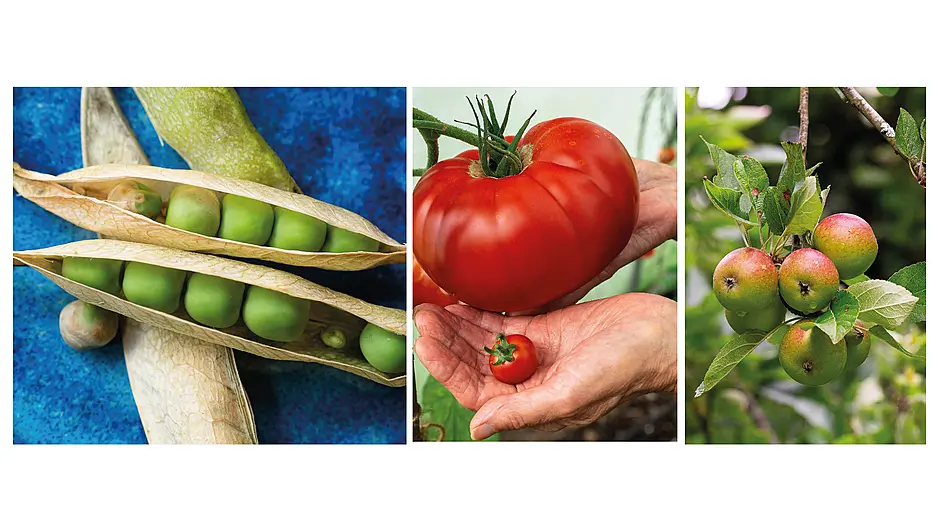
The tomatoes you grow yourself will always taste the best. They may not all taste the same – there is a big difference between the sweet juicy flavour of a small cherry variety and the deeper richer taste of a perfectly ripened beefsteak. It isn’t a case of one being better than another so much as acknowledging that good things come in different sizes and all can be put to good use.
Cherry tomatoes can be eaten in one mouthful. Beefsteak can be served in thick slices along with mozzarella and basil. In-between sizes can be cooked into sauces – which isn’t to say that any sized tomato can’t be eaten in any way that you want.
The next few weeks are prime tomato season. Look after your plants and feed them a liquid feed every week if they are carrying a heavy crop. Keep tying stems into supports, pinch out those fast growing side shoots, and remove discoloured leaves or unwanted ones lower down the stem. Harvest fruits as they ripen and don’t let them go beyond a perfect point. Enjoy every bit of the harvest and, if you love tomatoes, aim to grow one or two different varieties next year. Different sizes and colours will add some excitement to your tomato crop.
Apples ripening
After a stunning crop of apples last year, my trees are taking a bit of a rest. This can happen when the excess crop of one year puts a strain on the tree and a bit of recovery time is needed. It may be that trees are pushed into a cycle of biennial bearing, where they crop well every second year. None-the-less there are still some apples on the trees in the in-between years. Look after these fruits with a little more care than you might if the tree is laden.
Try to pick fruits rather than leave them fall to the ground. Windfalls will bruise and won’t keep for long.
Some early varieties start to ripen this month. Lift a ripe-looking fruit with your hand. If the stem eases free with just a gentle pull, then the apple is ripe and ready to eat. Take a few bites and you will soon tell if the fruit is perfect or if it needs a few more days to reach perfection.
If strong winds are forecast, check how firmly attached your apples are to the tree. Judicious picking may be advised if fruits are likely to start dropping from an early variety apple tree.
Saving some seeds
Peas are a good way to start saving seed. The closed flowers are self-fertile and less likely to cross pollinate with other varieties grown nearby. You can leave some pods to mature on the plants and, if the weather is good, the pods will start to dry and turn brown. The peas on the inside may still be quite green, but they would taste starchy at this stage if you ate them.
I usually pick the shrivelling pods and shell out the peas to dry on a window ledge. Alternatively, you can pull up lengths of stem and hang them up in a cool, dry, place so the peas dry in the pods still attached to the stems. Avoid damp conditions for doing this or the pods and peas might turn mouldy.
When your peas are fully dried, put them into an envelope and write details of variety and harvest date on the outside. They should be sown within a year of harvesting.
Planting out
If you sowed lots of seeds in trays and pots in July, then the seedlings should be big enough to go into the ground now. I always find it better to put small lettuce, spinach and brassica plants into a good fertile soil, and protect them from slugs, than to leave them to struggle with the diminishing returns of a small amount of compost in a small pot.