
January got off to a chilly start and there’s more to come. January and February are the months when we are most likely to get very cold weather, and possibly snow, so don’t rush too far ahead of yourself in the garden.
Of course you can clear, tidy and dig if you want and if conditions allow. Don’t prune trees if it is so cold that you risk creating die-back and don’t plant anything into frozen ground. There is little to no growth in the first couple of months of the year so you won’t gain much by sowing or planting too early. Plants can be weakened and set back if they have to suffer physical stress. Sowings made in a few weeks’ time can often catch up or overtake ones made now. Of course there are some years when mild winter weather is the norm, but this really can’t be relied upon.
ADVERTISEMENT
Frozen food
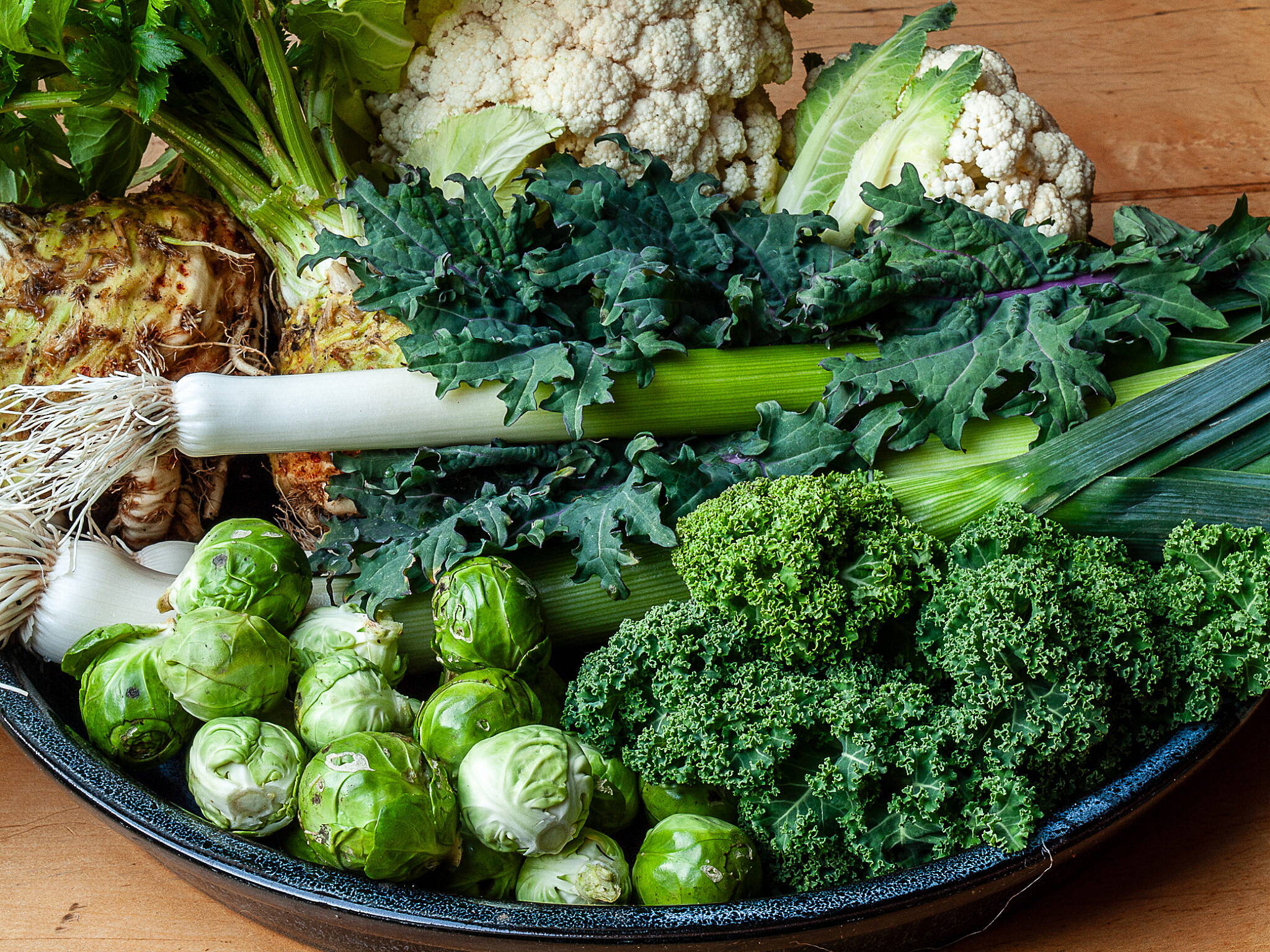
Freezing weather is tough on any plant. Check outdoor sprouts, cabbages, kales etc – they may not look as healthy as they should. You may lose some plants and sprouts may be inedible after a spell of sub-zero temperatures. I always stop picking frost damaged plants for a while, until I know which ones will recover and which have suffered terminal damage.
Don’t be in a rush to lift kale or broccoli plants that have suffered frost damage. These are hardy plants and will often produce new leaves and shoots as the weather improves. It’s always worth waiting and seeing what the spring brings. You can remove any severely affected plants at a later date if they don’t show signs of recovery.
Under cover care
Plants in the greenhouse or polytunnel have better protection than those outdoors. It’s worth putting an extra layer of covering over plants if temperatures are seriously low.
I have a double layer of horticultural fleece over small pea and broad bean plants in the polytunnel. I add to this as temperatures drop below zero. It’s important not to reduce light levels and ventilation too much, but it’s more important that small plants don’t freeze so much that they can’t recover.
Keep an eye on things and do the best you can. You may still be harvesting plenty of healthy winter crops. You may also suffer some losses, but you will be surprised by how much survives and thrives into the next few months.
 Harvest carefully and enjoy what you have grown
Get washing
January is a good month to wash polythene on tunnels and glass on greenhouses. You can do this on a bright day when it is warm enough for you to work outdoors. Light levels are low at this time of year and washing gets rid of any layers of grime that have accumulated on plastic and glass.
Use a soft brush and some soapy water to give a good wash. Take time to remove any dirt from corners where disease spores may linger. It doesn’t take much rubbing and hosing down to create a clean and light filled structure.
Keep an eye out for damage that may need to be repaired. If you tape small holes in polythene then they won’t rip further. You can buy special strong clear tape for this.
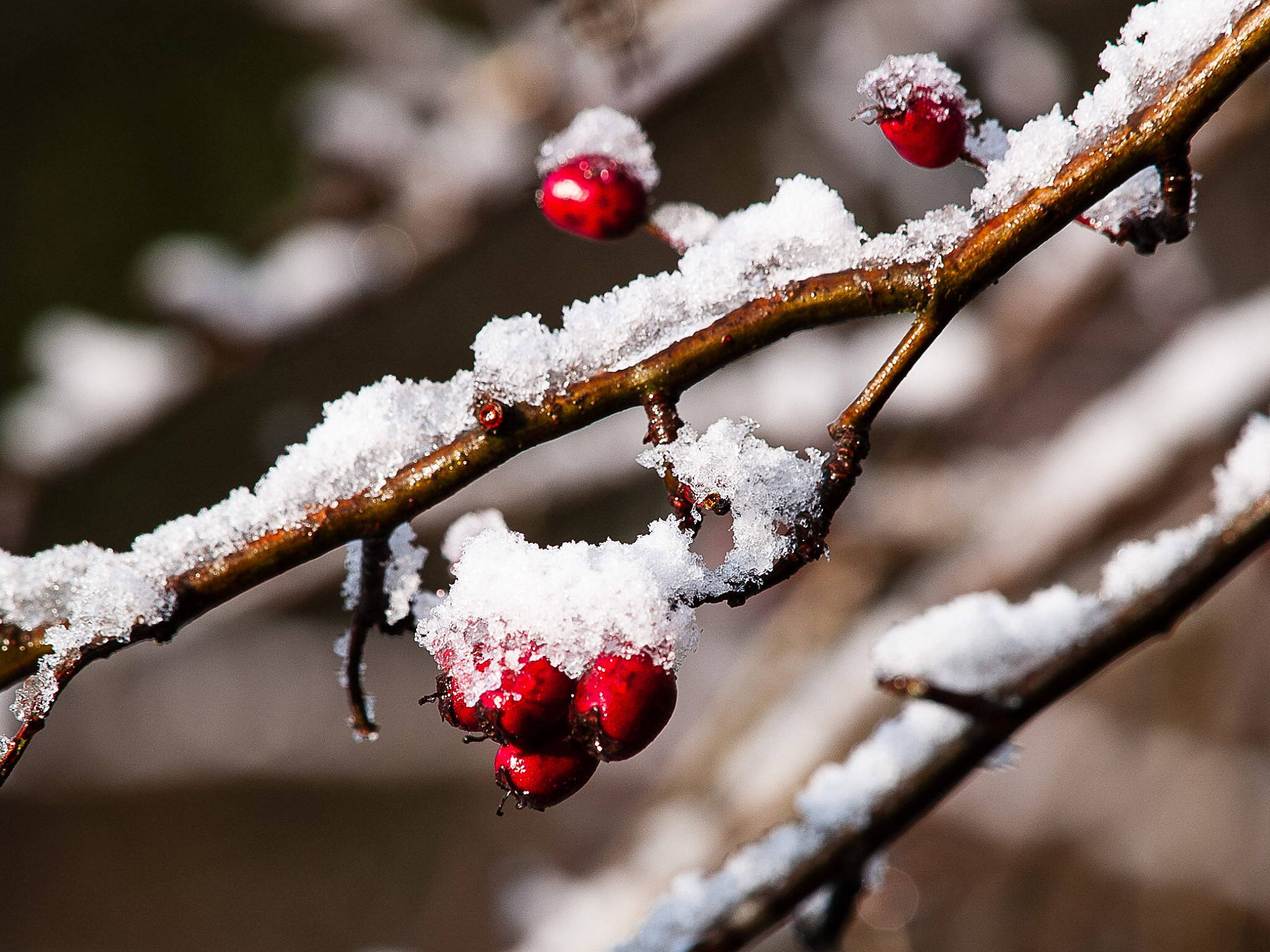 Still some berries, but we need to feed the birds
Early arrivals
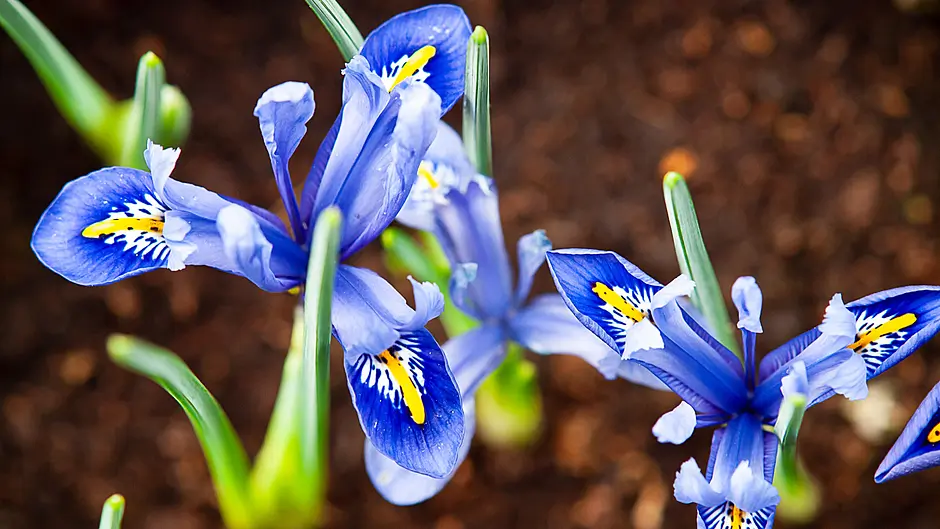
Many bulbs are poking green shoots up through the ground and some early performers may also have flower buds. Plants don’t predict what weather is to come, they respond to what has happened so far in their growing and what the weather is like at the moment. You may get flowers opening early in a mild spell and then have a hard freeze to follow. Take a little care of your plants if you can and you will get the best display from these early performers.
Move pots of vulnerable bulbs under cover or next to a sheltered house wall. They will gain some protection from freezing conditions and you can put a covering layer over the top if needed. Most of these early arrivals are hardy so they only need extra care if a hard freeze is forecast. Try to avoid frozen compost. I’ve been known to pop pots in the hall of the house for a short spell if needed. This is a bit too warm really, but it does prolong the flowering period.
Remember the birds
This can be a hungry time for birds in the garden. There are some fruits left on trees and bushes, after a bumper fruiting year, and these are valuable food sources, but we need to do a little more. Don’t cut back plants that have seed heads, which may provide feed, and leave fallen berries where they lie on the ground. Not all birds will eat these, but some will.
Hang feeders filled with seeds, fat balls and nuts, in trees where you can enjoy the glory of your garden birds.