COULD do better was the reaction from some cohorts in West Cork to Budget 2027, though others were more optimistic.
West Cork Film Studios expressed disappointment that tax credits for film and television production were not included, claiming it had lost €20m worth of films since the measure was withdrawn last year.
ADVERTISEMENT
Independent Ireland leader Michael Collins said the measures fall far short for families facing hardship.
But the Vintners Federation of Ireland (VFI) welcomed the €15m commitment to “keep pub doors open” in rural areas.
What has been dubbed as the Buy-off Budget will see a €10 rise in weekly social welfare payments, a €5 increase in fuel allowance, widened income tax bands, higher entry level to the USC 3% band and a rise in the minimum wage to €14.94 per hour.
There is also a new cost of disability payment of €500, an increase to the rent-a-room scheme, a reduced carbon tax on heating oil and an extension of the reduced fuel excise.
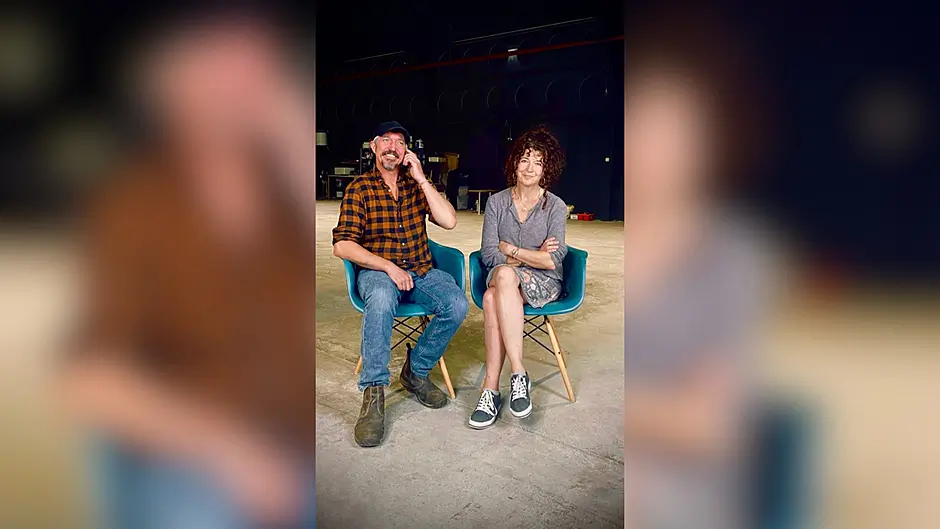
A director of West Cork Film Studios (WCFS) in Skibbereen, Édaín O'Donnell, told The Southern Star: "We are devastated by the results of the budget and failure to reinstate the 8% uplift.
It is no coincidence that we have lost out on several films since we made the bio-pic Jimmy, which wrapped last November when the regional 8% uplift also wrapped.
We have lost over €20m worth of films in West Cork in the last few months.
"The economic loss to our regional communities far outweighs and is massively disproportionate to the 9% that would be awarded to well deserving films, choosing to shoot in the regions.
"This addition to section 481 tax credit was to cushion the shortfall required to film outside the metropolitan hub of Dublin and Wicklow.
It was to assist in covering the accommodation per diem travel costs for incoming crew, which incidentally rural crew don't get primarily, when they go to work in Dublin and Wicklow.
“The odds are unfair.
We are rapidly building a highly talented crew in West Cork sourced from our innate local talent, they are for the most part working in Dublin and Wicklow, as we don't have films in the studios to employ them, the loss of earnings brought in by the film industry is being felt across the community.”
In 2025, its first year of trading, West Cork Film Studios hosted €28m worth of productions in 11 months. “In 2026, not one production has come to the studio.
The studio, the locations and the trained crew are all still there. Only the incentive changed,” said Édaín.
On a more optimistic note there was welcome news for rural pubs with a €15m support package which the VFI said would provide breathing space for publicans.
VFI CEO Pat Crotty said: “€15m in support is a great starting point and we will work with that.
We look forward to working with the Government to make sure the support is delivered in the most effective way possible.”
Deputy Michael Collins meanwhile criticised the package saying the measures do not go nearly far enough to ease the financial pressure being faced by families across Ireland.
He said the overall package fails to match the scale of the hardship experienced by households struggling with the cost of living, housing, energy, transport and everyday essentials.
“Families across West Cork are being asked to stretch their incomes further and further just to get through the month,” he said. “They are facing higher housing costs, expensive childcare, rising insurance premiums, energy bills and the basic cost of putting food on the table.
“Extending temporary fuel measures is better than allowing them to disappear overnight, but this Government should be much more ambitious.“People who depend on their cars to get to work, to bring children to school and attend appointments cannot simply switch to public transport. For many families, the cost of running a car is unavoidable.”
While the €1.3bn income tax package is also welcome, he warned that for many households any increase in take-home pay will be “swallowed up by rent or mortgage payments, childcare, groceries, energy, insurance and transport”.