A GROUP of creative writers based in West Cork are celebrating the launch of their second self-published zine this weekend in Clonakilty.
Blow-ink, a play on the common Irish term blow-in, has evolved with new writers and artists joining the group who share a common trait: living somewhere far from their first home, and often in a language that comes second.
The group collaborated on a booklet last year as part of a series of writing workshops for people with English as a second language funded by Cork County Council.
ADVERTISEMENT
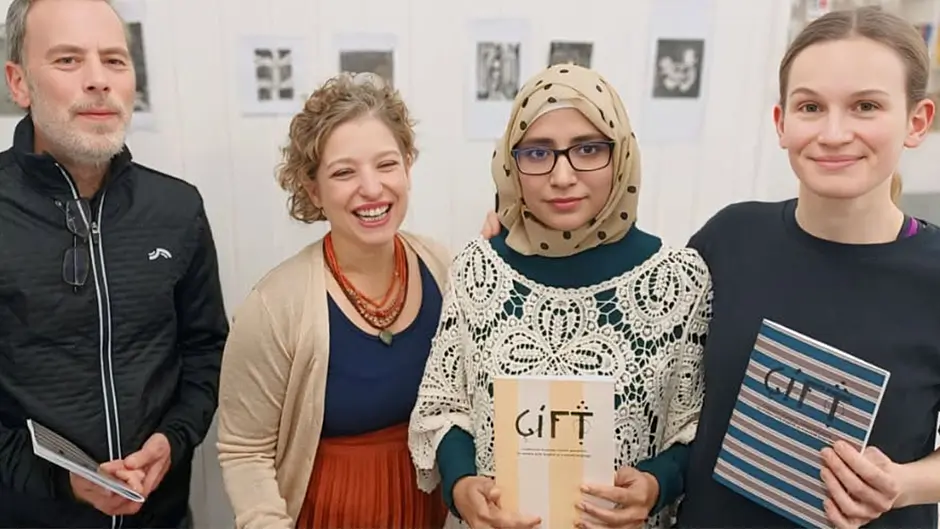
The sessions were led by Matthew Geden, a poet living in Kinsale, and resulted in the publication of a zine titled Gift.
This year’s launch takes place on Saturday November 21 from 7pm at Clonakilty Community Arts Centre.
The theme of the booklet is Shelter and was chosen because, even as a universal need, everyone’s understanding differs.
The writers come from all over the world, including Germany, Pakistan, Israel, France, Australia and England.
No longer funded by the council, the group meets less than before but the same passion for writing shines through.
“We have very different experiences of Ireland, like James is a painter, Martin is a journalist,” explained Cordélia Huodot, a member of Blow-ink and a French national now living in Ireland.
“We’re all very different, different ages as well, which is very interesting. So, the only thing that was putting us together was the fact of working to create that zine.”
Cordélia has found the writing process happens naturally, with more space for feedback and change to occur.
“It’s so easy when you’re not part of a group to be lazy, I guess. So, it’s nice to have something, always a movement, to keep you in touch with the practice.”
The group produced their own artwork, using a variety of techniques. Some writers etched onto recycled tetrapaks, in other words used milk cartons, and inked them by hand.
Unlike the last production, they didn’t have to rely on a pasta machine to press their artwork, instead using the professional presses at a new member’s workshop.
The group’s next project will see them all work on one story, with each writer picking up where the other left off.
Cordélia said there’s no better time to get involved, adding that “it’s a great way to develop a creative or playful relationship with a second language”.