On the surface, Christmas is a time of peace and goodwill, but from the beginning it has been marred by violence and death

In 1971, John Lennon and The Plastic Ono Band released Happy Xmas (War Is Over), an innocuous enough if heartfelt paean to a New Year and new hope ‘for rich and for poor ones, for black and for white, for yellow and for red ones, the old and the young’.
ADVERTISEMENT
‘So, this is Christmas,’ Lennon and co serenaded us. ‘And what have you done? Another year over, and a new one just begun...’
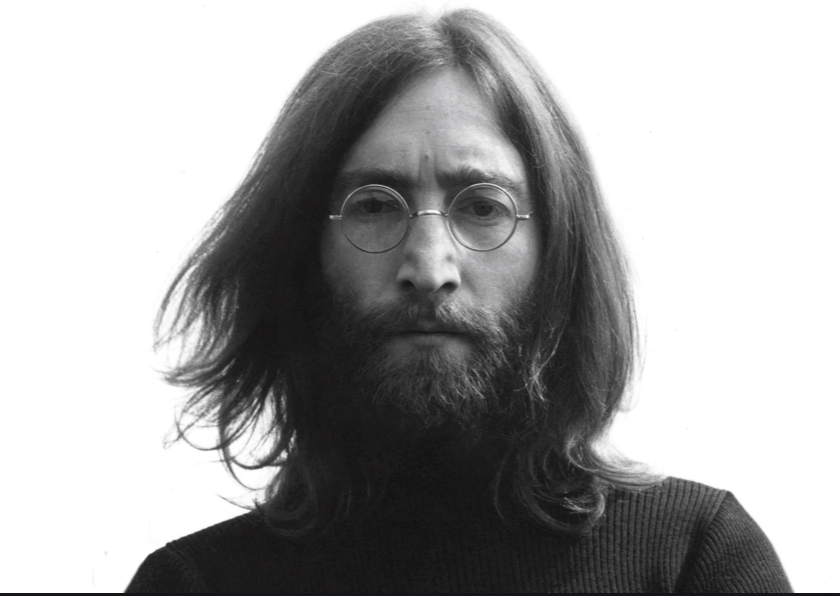
Nine years later, in 1980, at 40 years of age, on December 8th, what is traditionally the start of Christmas, John Lennon was murdered – gunned down outside his home in The Dakota Building in New York. He never got to see another new year.
Christmas. Birth. A hard, bitter birth. If not for the child, for the mother. The father (disputed, I know) too. TS Eliot’s imaginary account of that birth in Journey of the Magi: ‘A cold coming we had of it, just the worst time of the year for a journey, and such a long journey: The ways deep and the weather sharp, the very dead of winter…a hard time we had of it.’
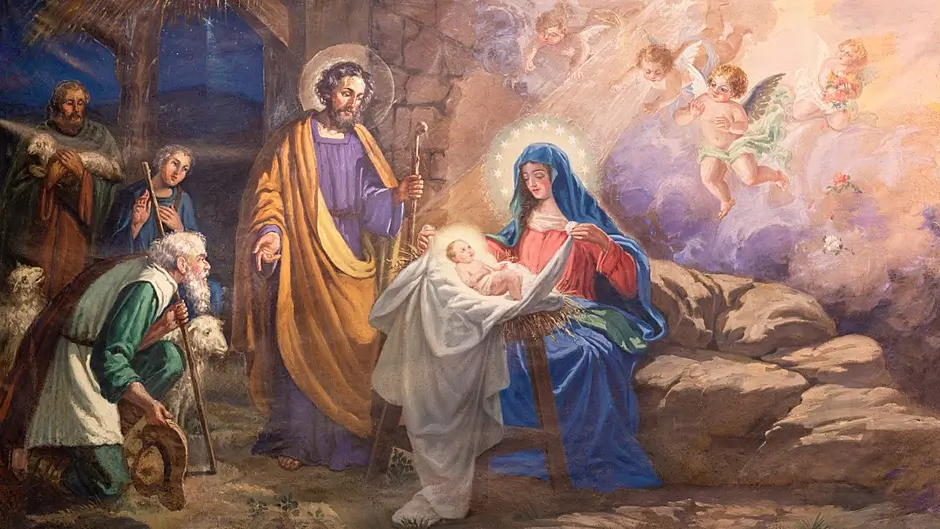
A child is born. In a stable. Stunned shepherds skywards look. Hallelujah. Hallelujah. Heavenly hosts sing: ‘Glory to God in the highest, and on Earth peace, goodwill toward all people’. The fourteenth verse, King James’ version, of the second chapter of the Gospel according to Saint Luke. (In truth, Luke wished good will to all men, but the good news is that we have learned some things along the way.) A child is born. Rejoice! Rejoice! Emmanuel. But mourn too. Because this child was born to die. And die in a most excruciating way. A child born to be crucified. The crux of Christmas.
Death hovers over Christmas.
Christmas Day followed by St Stephen’s Day. Stephen, the first Christian martyr. Stoned to death. Murdered in 34 AD. Aged 29. Commemorated one day after the celebration of the birth. Birth juxtaposed against death.
Why the Catholic Church calendar chooses to do so? Lest we forget. Christmas with its axiomatic promise of peace and good will. If only.
‘Does it seem strange to you that the angels should have announced peace, when ceaselessly the world has been stricken with war and the fear of war?’ wondered Canterbury Archbishop Thomas Becket in his Christmas Day sermon, in the year of Our Lord 1170, as imagined by TS Eliot in Murder in the Cathedral. ‘Does it seem to you that the angelic voices were mistaken, and that the promise was a disappointment and a cheat?’ Four days later, on December 29th, at the behest of King Henry II, Becke t was murdered as he prayed in front of the High Altar of Canterbury Cathedral. Christmas. Birth and death.
There is every reason to believe that the Biblical promise of peace and goodwill was illusory. A great deception. Those who do not know their history are condemned to repeat it. Two thousand years later and one thousand years after Becket’s murder in the cathedral, we too know war and the fear of war but not as those who experience war.
This year is no exception. Gaza’s dead. Syria’s dead. Lebanon’s dead. Israel’s dead. Sudan’s dead. And more. The murdered dead. Our own dead too. Last year (2024) 4,228 people with an address in Cork died according to provisional figures from the Central Statistics Office.
Provisional figures so far this year from rip.ie would suggest that number will increase. May they rest in peace.
Their memory will mark their loved ones’ Christmases. You, whom I met last year between the shelves of Christmas promise in the local supermarket, told me of your grief. This Christmas season, too you will remember him. In the morning and in the evening, you and all those who grieve will remember. We will remember.
Christmas. Birth and death. Another year (almost) over and a new one just begun…
Happy Christmas!