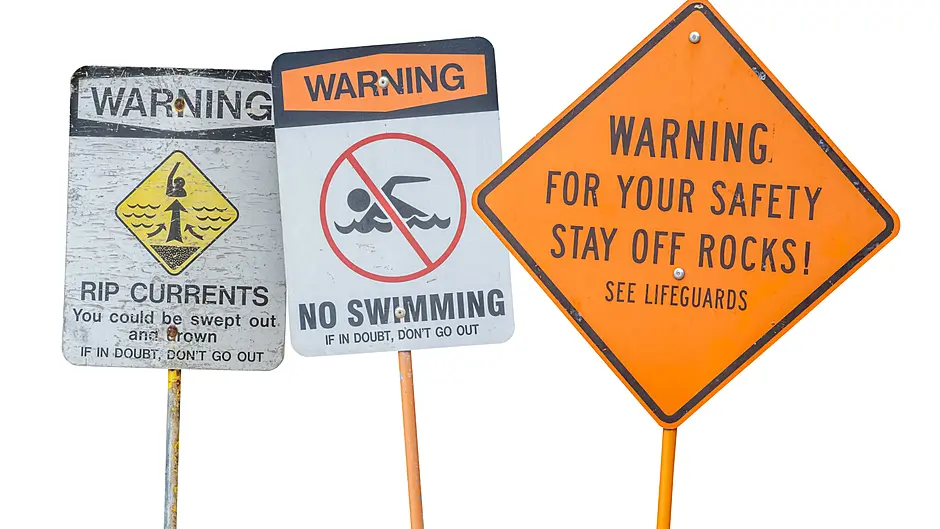
This October bank holiday weekend, the Irish Coast Guard, Water Safety Ireland and the RNLI are urging those planning coastal, inland water or outdoor activities to take extra care as Storm Austen approaches. With clocks going back, daylight hours will be getting shorter, water temperatures are dropping and the weather is changing with a storm warning issued for parts of Ireland.
The warning comes as the three organisations reflect on the busiest summer on record for search and rescue incidents and thank all frontline emergency service personnel, lifeguards, rescue volunteers and rescue teams who worked tirelessly throughout a particularly demanding summer period.
Heading into the bank holiday weekend, Storm Austen is expected to bring strong winds and heavy rain to parts of Ireland, which can pose a safety risk to those visiting the coast. People should exercise caution if visiting the shoreline, especially along exposed cliffs, seafronts and piers.
Those heading out for cliff, beach and coastal walks should:
• Check weather and tide times before setting out.
• Be aware of the risk of being cut off by incoming tides.
• Keep well back from cliff edges and unstable ground.
• Carry a fully charged mobile phone and let someone know your plans.
Swimmers should avoid entering the water during stormy weather or when strong winds, waves or currents make swimming unsafe. With daylight hours shortening and the lifeguard season over, choose locally recognised safe swimming areas, avoid swimming alone and ensure you leave the water before darkness falls. As water temperatures drop, shorten your swims and be mindful of the risks of cold-water shock, hypothermia and reduced swimming ability. Wear appropriate equipment, including a wetsuit, brightly coloured swim cap and tow float.
If you see somebody in trouble on the water or along the coast or think that they are in trouble, use marine VHF radio Ch 16 or dial 999 or 112 and ask for the Coast Guard.