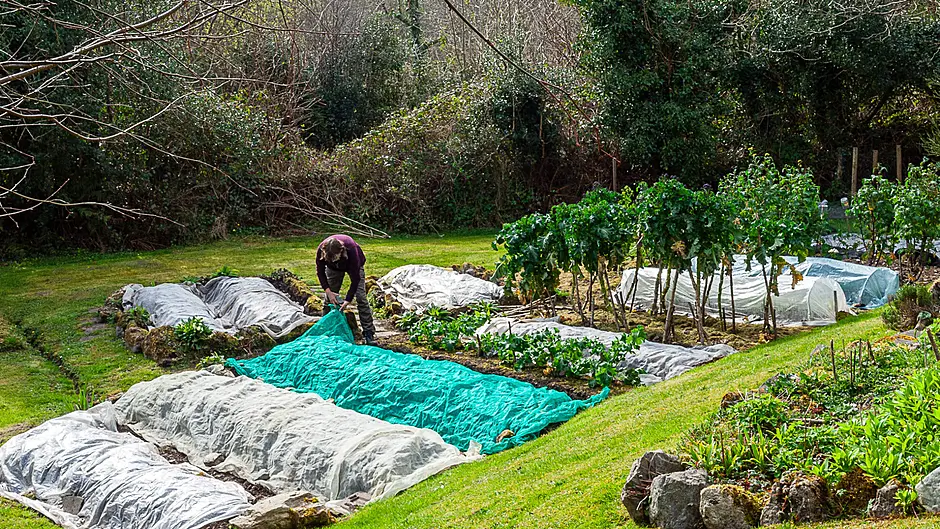

What a lovely time of year! There’s so much promise on a fine spring day. And only one more week until Summer Time arrives to stretch out our evenings. If the weather is good, get the garden furniture out and seize every moment to sit out. Even a quick cuppa outdoors will lift spirits and put you in touch with your garden.
Planting time
ADVERTISEMENT
If growing vegetables is your thing, then this is the perfect time to plant early potatoes and onion sets. There are plenty to choose from in garden centres and shops. Seed potatoes should be about the size of a large egg and have a few short green shoots before you put them into the ground. Plant earlies 15cm deep and 30cm apart.
Onion sets do well if they are about the size of a thumb end, to the first joint, and if they haven’t started to sprout. Choose firm and healthy ones and discard any mouldy or soft ones. Plant around 15cm apart for medium onions. Any closer and they may only grow small bulbs; wider distances may grow bigger ones, but it’s not guaranteed.
Potatoes do best with well-rotted manure or compost dug into the bed. Onions like compost with a scatter of seaweed meal and lime.
Keep things warm
Sort out all your covers and cloches before you start sowing or planting outdoors. The days may be fine and dry, and spring is definitely with us, but a frost can still strike to harm small plants.
Early potato leaves will pop through the soil in April, so put on a light-permeable cover at planting time. Fine-mesh woven coverings can prevent frost-burn on leaves. They provide a little extra warmth and protection from winds, while allowing rain through to the plants growing underneath.
Clear polythene sheeting is good for cloches where the cover is raised above emerging leaves. If polythene is laid directly on the ground, this can cause hot moist conditions on bright days – use only as a temporary measure if needed. Pea and broad bean rows can be pretty hardy, but they suffer fewer setbacks if grown under a cloche for the next few weeks.
Young onion plants may appear unharmed as they push up green shoots, but plants that have suffered frost damage are more likely to bolt before the bulbs have reached full size. It is worth covering the onion bed on frosty nights – you may be rewarded with the best crop yet when mid-summer arrives.
Flowering beans
Keep an eye on broad bean rows. Seed sown last autumn will have produced strong plants now. They may only have reached a portion of their full size – look at the stems and you will spot some first flowers. These are self-fertile, but early flowers often need a little help if they are to produce good bean pods. Pollen must fall within the flower, so it reaches the right part for pollination to occur. If plants are outdoors, a wind will help achieve this by shaking the plants and scattering pollen where it is needed. If plants are growing in a greenhouse or polytunnel, give them a gentle shake to mimic a breeze and hopefully your plants will have a good set of beans.
Another tip is that beans set best in humid conditions. If humidity is low, give a light mist of water over the top of the row. Don’t soak the flowers, just aim for enough to lightly dampen petals.
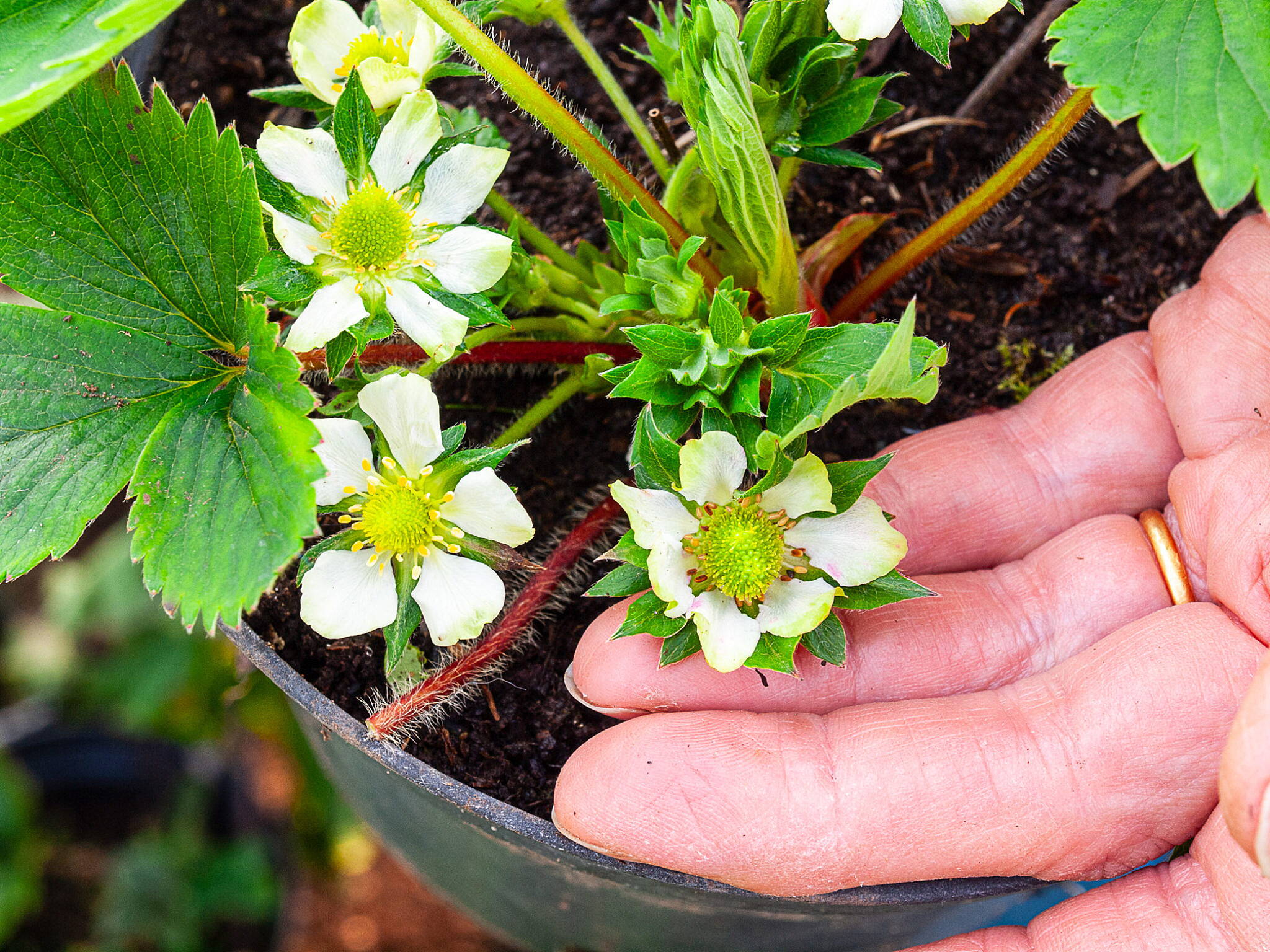 Strawberry flowers hold the promise of delicious fruit to come.
Strawberry plants
If you have strawberry plants in the greenhouse, or polytunnel, then they will start flowering now. Be sure to keep plants watered and use a potash-rich liquid feed to boost nutrients. Plants grown under cover are protected from frost; outdoor early flowers may blacken if nights are very cold. Remove any damaged flowers and new ones should grow.
Keep feeding every seven to ten days as fruit starts to swell. Fruit from early varieties should start to ripen in early May. You may get some a bit earlier in a warm spring, or a little later in a cold one. The main crop is in June, but those first early berries are a delicious reward for a small bit of work.
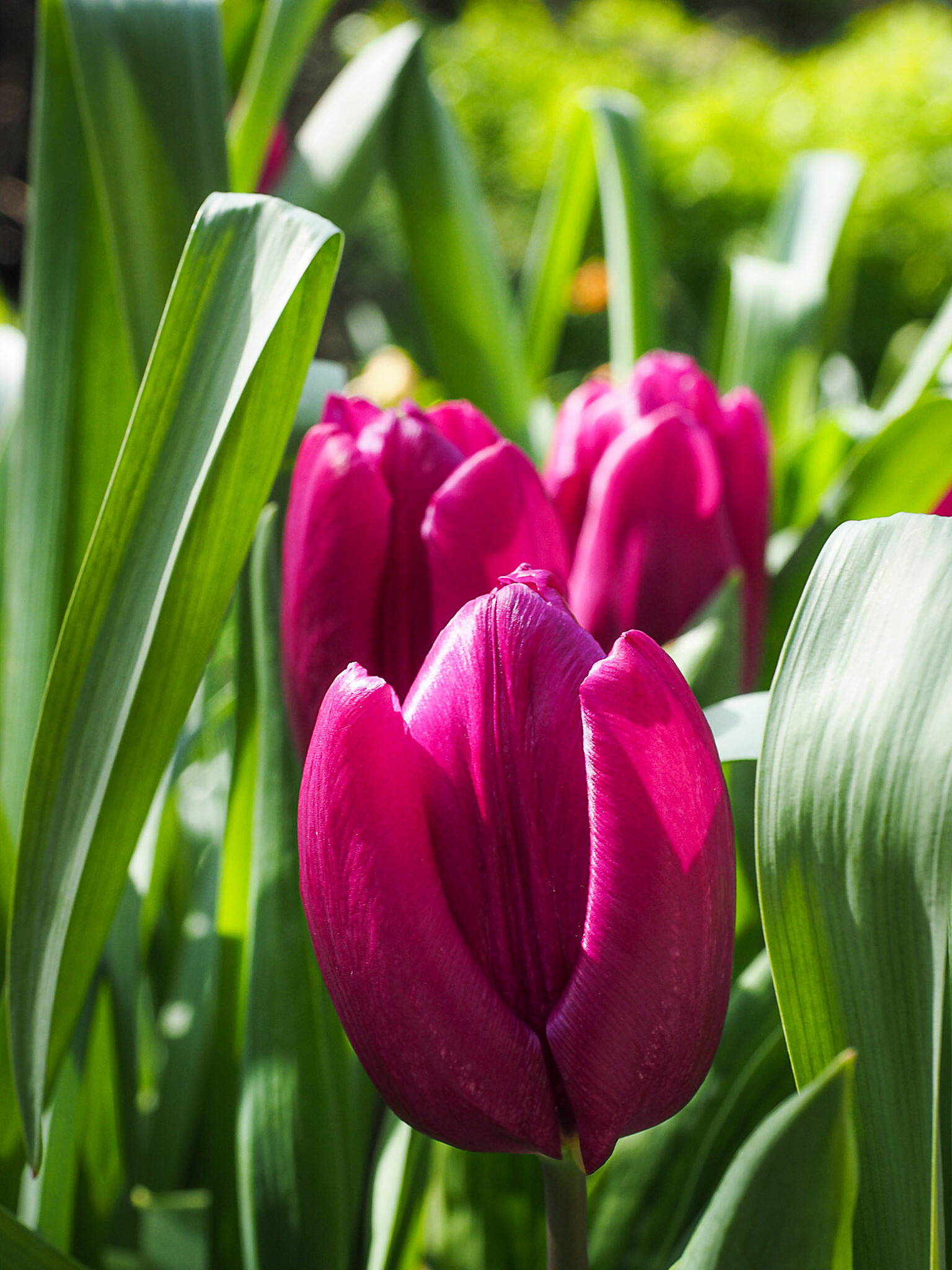 Enjoy the start of the tulip display.
Tulip time
The bold and brilliant tulip display is only just starting now. Early varieties in containers close to the house will be the first to open up. This is followed by ones in garden beds, then there’s a colour fest as more and more colours keep opening to add into the mix.
Of course, some people like to grow single colours to make a tasteful display. This can be wonderful and often seen at its best in formal gardens. Plan a visit to see some when you know the tulips are out – you can always phone ahead and ask.