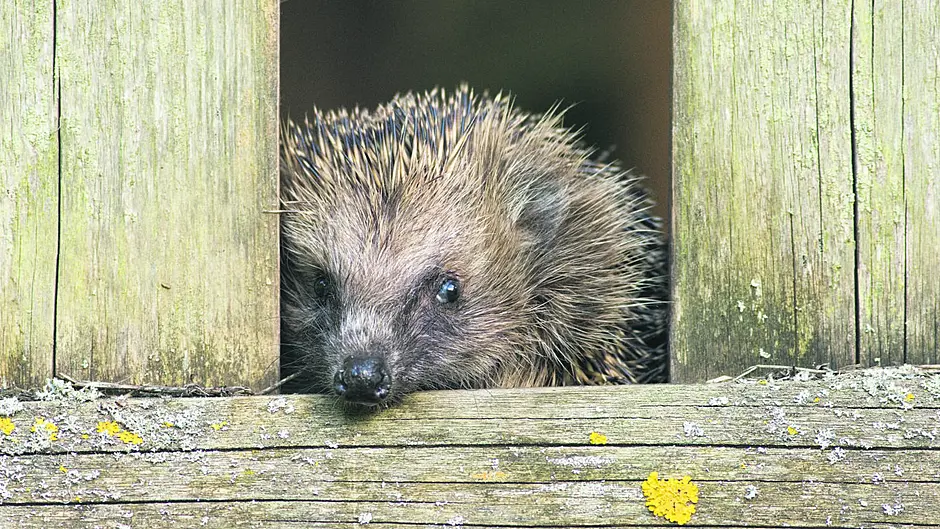

The first wildlife article I wrote for this newspaper was in autumn 2022, and it was about the European hedgehog, Erinaceus europaeus. I had taken part in a citizen science survey in the summer of that year, the Local Area Hedgehog Survey. The survey was nationwide and run by the University of Galway. I mapped a one kilometre squared area in my nearest town, Skibbereen, and plotted ten sites, which were then surveyed for hedgehogs over five nights.
The detection methods were really quite lovely. Each night, ten small tunnels baited with food were used to attract hedgehogs. Signs of their visits were recorded by the presence of footprints as they passed through animal safe paint onto A4 paper placed at the entrance to the tunnels. The result was hedgehog footprint art. The survey results showed that four out of the ten Skibbereen sites were positive for hedgehogs.
ADVERTISEMENT
Change of status
Sadly, what brings me to write this second article about hedgehogs is that since my last piece, the International Union for Conservation of Nature has downgraded the hedgehog’s European status from Least Concern to Near Threatened. Just last month, a new organisation, Hedgehog Conservation Ireland, was established to raise awareness and take action to help Irish hedgehogs. Across Europe, numbers have declined by 35% to 40% over the last decade, driven largely by human pressures.
Call to action
Being hit by cars is a major issue for hedgehogs. Experts estimate that each year one in three hedgehogs is killed on the roads. Hedgehogs are nocturnal, and sadly their response to threat is to freeze, an adaptation that usually serves them well because their night time predators rely on movement to detect prey. On the road, however, freezing becomes a fatal strategy. Loss of natural habitat is another significant problem, as is fragmentation and isolation of populations through impassable barriers such as roads. As hedgehogs become cut off from one another, inbreeding increases because they are unable to move freely through habitats to find mates. Changes in agricultural land use, including the removal of hedgerows, the use of pesticides, and increasing field sizes, have led to the loss of rural hedgehog habitat and food. As a result, much of the remaining population has moved into towns and villages in an attempt to survive. Hedgehog Conservation Ireland, led by Dr Elaine O’Riordan from the University of Galway and inspired by the work of Dr Sophie Lund Rasmussen, also known as Dr Hedgehog, from the University of Oxford, sees this as an opportunity. They believe that the fight to save hedgehogs and reverse their decline must take place in our own backyards.
Hedgehog heroes
HCI’s campaign urges us all to take action and become hedgehog heroes. There are plenty of measures to consider, no matter the size of your garden. Removing hazards is particularly important. Speaking from experience, we once had an unfortunate hedgehog become tangled in our boys’ football goal netting. Thankfully they survived, but it could easily have ended badly. We now make sure the netting is secured safely or lifted out of the way at night. Hedgehogs hibernate from November to March, and they are just emerging from their winter slumber. When active, they can travel up to two kilometres per night in search of food and mates. It is therefore essential that they can move freely without obstruction. Creating hedgehog highways, such as small gaps in garden fencing, can make a real difference. Helping hedgehogs is not entirely one sided. By supporting them, we also help ourselves. Hedgehogs eat a varied diet that includes insects, caterpillars, earthworms, slugs, snails, and carrion. In doing so, they provide a valuable service to gardeners and farmers by keeping certain pest species under control.
Cute little one
I had hoped that the survey I took part in would run annually, but 2022 was the final year it was supported by the University of Galway. I often wonder whether hedgehogs are still present at the four sites where I recorded them. Monitoring the status of hedgehogs in Ireland can still be supported by submitting sightings, whether alive or dead, to the National Biodiversity Data Centre. The Irish word for hedgehog is an gráinneog, meaning ugly little one. In reality, this is far removed from how we see them today. The hedgehog is a cherished and important part of our Irish biodiversity and natural history. To ensure their survival, we all need to become more hedgehog aware. You can visit hedgehogsireland.com to learn more, sign up for the Hedgehog Heroes mailing list, and keep an eye out for further ways to help.
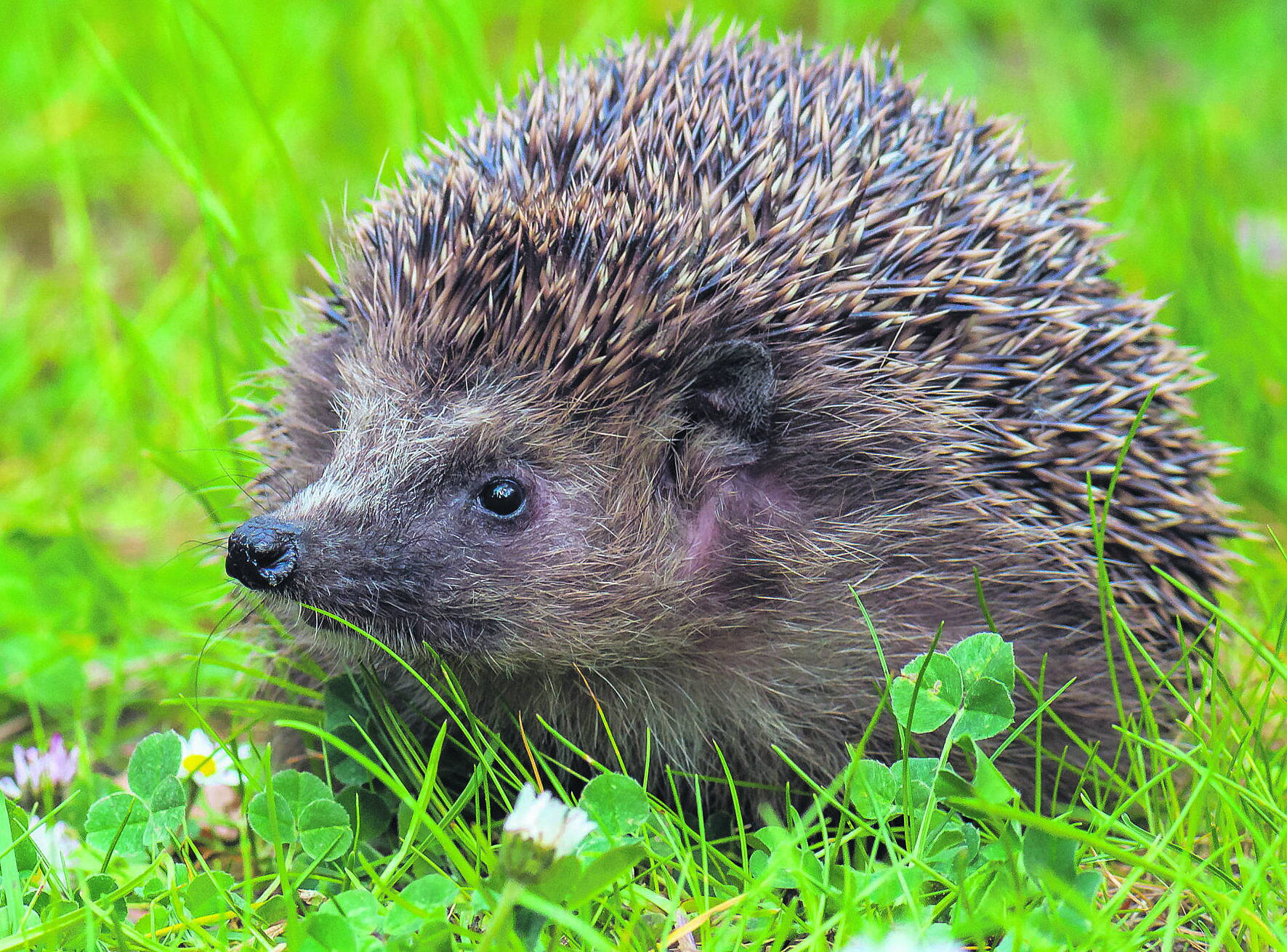 West european hedgehog (Erinaceus europaeus) on a green meadow.