
April is the busiest month in the garden. There are so many things you can sow and plant in order to get your garden set. Grass is growing and weeds are waking up. Seedlings need pricking out and potting on into bigger pots, so growth isn’t held up. Don’t panic, there’s plenty of time to get potatoes, onions, garlic, peas, beans, carrots, beetroot, salad and more into your garden beds. You can fill a greenhouse with tomatoes, cucumbers and peppers if that’s what you love. You can set lovely flower displays too, if that warms your heart. Prioritise what you want to grow and get things done. Keep things small if that suits you and keep on top of garden jobs as the season rolls on.
Think about water
ADVERTISEMENT
It may seem odd to be talking about watering when the ground is only just drying out from all the winter rain. Nonetheless, April can bring hot weather and, if we get a dry spell, even outdoor soils can become parched. Work out your watering systems in advance so you can do your best to conserve water when needed, while also reducing your work load. Anything that delivers water right where it is needed is much better for water conservation, than a system that sprays water over everything.
Water in covered growing spaces
Greenhouses and polytunnels don’t need much water through the colder months. As days get longer and brighter, temperatures start to rise with the sun. It’s not strange to hit 30C in a greenhouse on a sunny April day, even if outdoors is much colder. Good ventilation is important, but you also need to meet the watering needs of each plant. This may mean watering some plants every day. Small seedlings may only need a light spray, whereas rows of flowering peas and beans need much more to keep the soil moist.
Plants grown with heat from below – think tomatoes in a propagator or on a heat pad – will dry out from the base of the pot first. This can leave roots in dry compost while the soil at the surface may look damp. Tomatoes are thirsty plants, even when only 20cm tall. Fill a tub or bucket with water and stand the pots in it until they are submerged. Bubbles will rise as the dry compost fills with water and air pockets are released. When the bubbles stop, lift the pots out to drain. This ensures more even watering than using a hosepipe or watering can from above.
Bedding plants
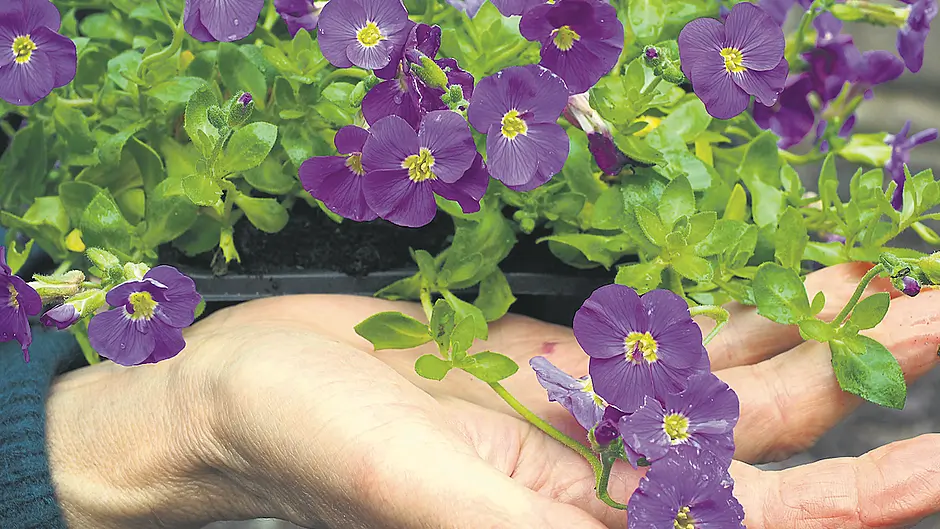
Many supermarkets and garden centres have a good range of plants from here on. Look out for reliable performers for the rockery such as aubretia and lobelia – aubretia should flower for more than one year; lobelias are annuals that will flower their hearts out before they are done. You will find many old favourites and some new ones as well. If you like geraniums then buy them for your pots, or look at the Bidens variety ‘Bee Dance’ as a bright and beautiful option. Be adventurous! Most bedding plants do well if they are healthy when you get them and you plant into a nutritious, damp growing medium.
Containers
These may be bursting with colour and putting on a great show, but think about what’s to follow when early flowers are done. Enjoy the display of spring bulbs until it is finished then empty out the pot, keeping the compost and root-ball as intact as you can. This compost ‘bulb-ball’ can be planted into a garden border. Bulbs will flower again next year if they haven’t been damaged by the move. Refill the container with fresh compost, then take your pick at the garden centre for a large perennial or a mix of annuals to continue flowering right through to autumn.
Grass is growing
If you haven’t got the mower out yet, then you should do so as soon grass is dry enough. Make sure to give the machine some attention if you haven’t done a service already. Change oil, filters, and spark plugs if needed and sharpening blades always helps. Check plugs and cables if your mower is electric and charge batteries if your mower is powered by these. Clean out any old clippings stuck inside the bag or around the blades. This should have all been done after the last mow of the autumn, of course, but many of us are less than perfect when it comes to lawnmower
care. If grass is allowed to grow too long before the first cut, you may need to cut on a higher setting to avoid yellow patches. Use your judgement, but don’t put off the job. Mowing and strimming edges always tidies up the garden. And it gives you the bonus of lots of clippings to use for mulch.
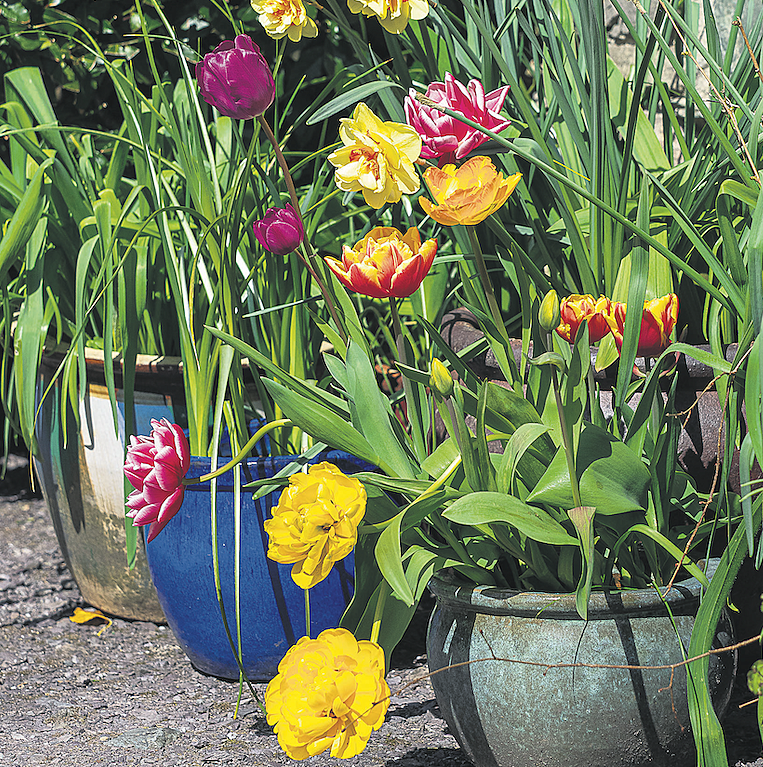
Replace spring bulbs when the display finishes.