THIS IS A PAID FOR ARTICLE - SPONSORED
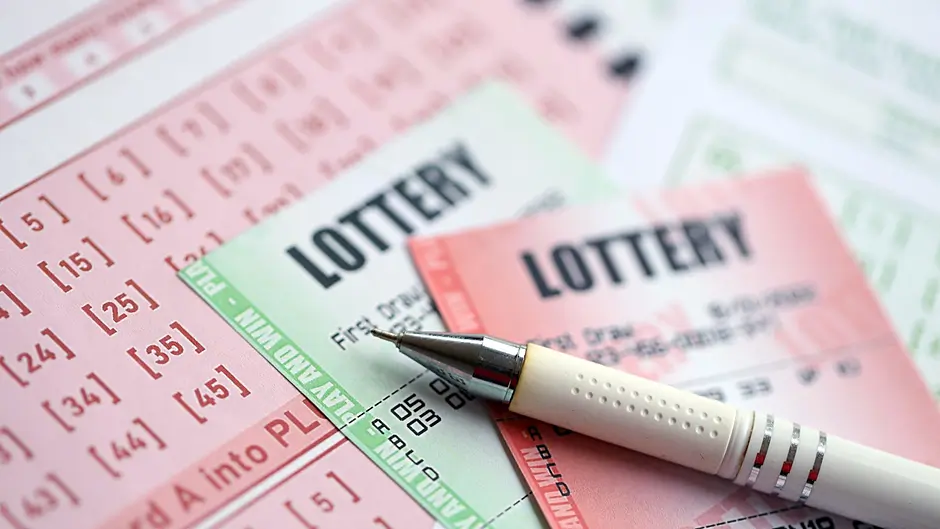
Almost 40% of Irish adults play the National Lottery regularly, making it the country's most popular form of gambling. But a growing number are also exploring online casinos, sports betting apps, and digital slot games. With Ireland's new gambling regulator now in operation, anyone who plays—whether it's a weekly lotto ticket or a few spins online—should understand what's changed.
Ireland's gambling boom
The National Lottery has been part of Irish life since 1987, raising over €6.5 billion for good causes while creating thousands of millionaires along the way. Last year alone, sales reached €829 million, with Cork producing several headline-grabbing winners including a €250 million EuroMillions jackpot—the largest ever won in Ireland.
ADVERTISEMENT
But while the lotto remains a national pastime, the way Irish people gamble has changed dramatically. Online gambling now accounts for over 60% of gambling spend among those who play regularly, with casino games, live dealer tables, and digital slots attracting players who might once have stuck to scratchcards and the Saturday draw.
This shift caught regulators off guard. Until recently, Ireland's gambling laws dated back to the 1930s—written decades before the internet existed. Online casinos operated in a grey area, licensed elsewhere in Europe but not directly regulated by Irish authorities. That's now changing.
One regulator for everything
The Gambling Regulatory Authority of Ireland (GRAI) launched in March 2025 and began accepting licence applications in February 2026. For the first time, a single Irish regulator oversees betting shops, online sportsbooks, casinos, poker sites, and gaming machines. The National Lottery remains separately regulated, but everything else now falls under the GRAI's remit.
For punters exploring options beyond the lotto, this matters. Licensed operators must now meet strict standards covering everything from how they verify your age to how they handle your money. Those looking to compare what's available can consult resources like this list of Irish casino sites to identify platforms operating under the new regulatory framework.
The GRAI has real teeth. Operators who break the rules face fines of up to €20 million or 10% of their annual turnover. By comparison, the old system relied on a patchwork of local court licences and Revenue Commissioner oversight that was never designed for the digital age.
What protections do players get?
The Gambling Regulation Act 2024 introduced several safeguards that didn't exist before. Credit card gambling is now banned at all licensed operators—you can no longer fund bets or casino play with borrowed money. VIP programmes that rewarded high-volume gamblers with special perks have been prohibited, removing a system critics said encouraged problem gambling.
A new National Gambling Exclusion Register allows anyone to block themselves from all licensed operators with a single request. Previously, you had to contact each bookmaker or casino individually, and there was no guarantee offshore sites would honour your request. Under the new system, exclusion applies across the board.
Advertising has also been restricted. Gambling ads are now banned on television, radio, and streaming services between 5:30am and 9pm. Social media advertising faces new restrictions, and operators can no longer use imagery or messaging designed to appeal to children.
Why the crackdown?
Research commissioned by the GRAI found that problem gambling in Ireland is far more widespread than anyone realised. The Economic and Social Research Institute estimates that 130,000 adults—one in 30—meet the threshold for problem gambling, with a further 279,000 showing signs of gambling harm. Together, these groups account for nearly half of all money spent on gambling in Ireland.
Problem gamblers spend an average of €1,000 per month, often funded through loans, credit cards, or money meant for bills. The ban on credit card deposits is a direct response to this pattern. Meanwhile, evidence that children who gamble before 18 are twice as likely to develop problems later in life prompted the advertising watershed and stricter age verification requirements.
What should punters watch for?
The transition period means some operators are still applying for GRAI licences. Until an operator is fully licensed, they're technically operating under the old regime—which offered fewer protections. By mid-2026, the picture should be clearer, with a public register of licensed operators available on the GRAI website.
For anyone who enjoys a flutter—whether it's the weekly lotto, an online casino, or a bet on the horses—the new rules are designed to make gambling safer without banning it outright. The days of operating in a regulatory grey zone are over. Ireland's gambling market is growing, projected to reach €2.85 billion by 2030, and the government wants to ensure that growth doesn't come at the cost of those who can least afford to lose.