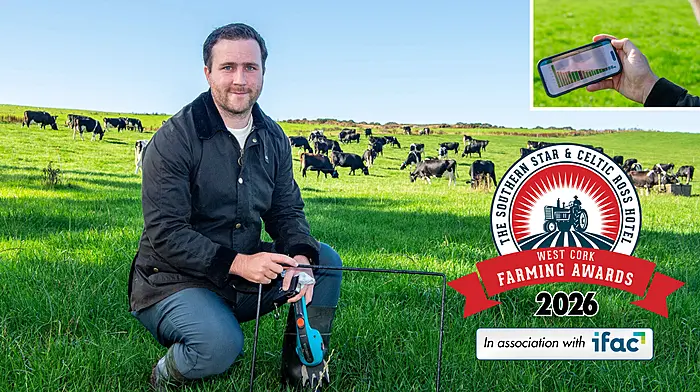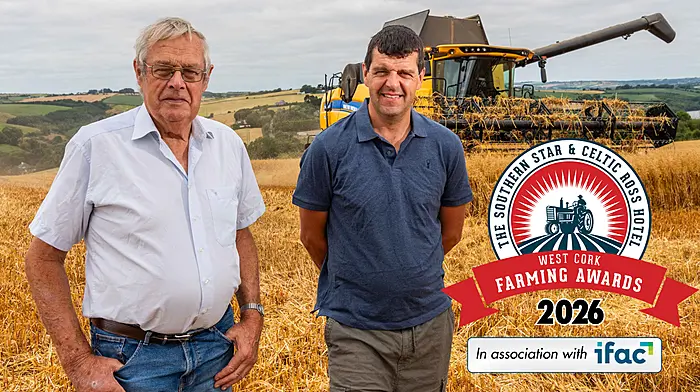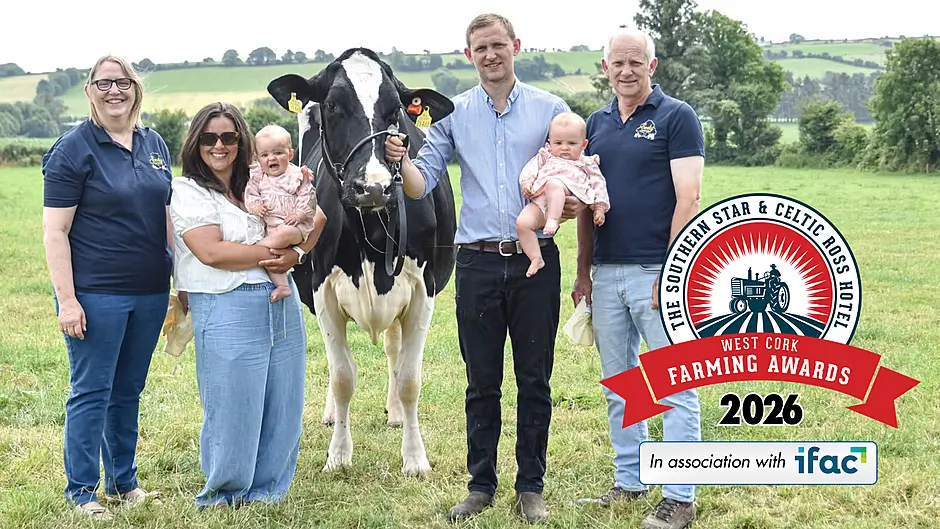
JASON Helen and his father Robert know all their cows by name – and considering they’ve a herd of 100 that’s more than impressive.
Just as impressive is the fact that each of their pedigree Holsteins gets matched individually with a bull to suit her particular strengths and weaknesses.
‘Our cows aren’t just a number to us, they’re all individuals,’ said Jason.
ADVERTISEMENT
And their attention to detail is paying off as the Helen’s autumn and spring calving herd includes none other than Eedy Doorman Fame, the country’s highest classified cow and the first cow to achieve this prestigious status in over 30 years.
In an extra special touch her mother was the first calf Jason bought, to mark his 18th birthday
‘It was always a dream of mine to get this classification, but I wouldn’t even say it was a goal because I didn’t even think it would happen,’ said Jason.
And yes, Eedy Doorman Fame does get special treatment – she has her own pen!
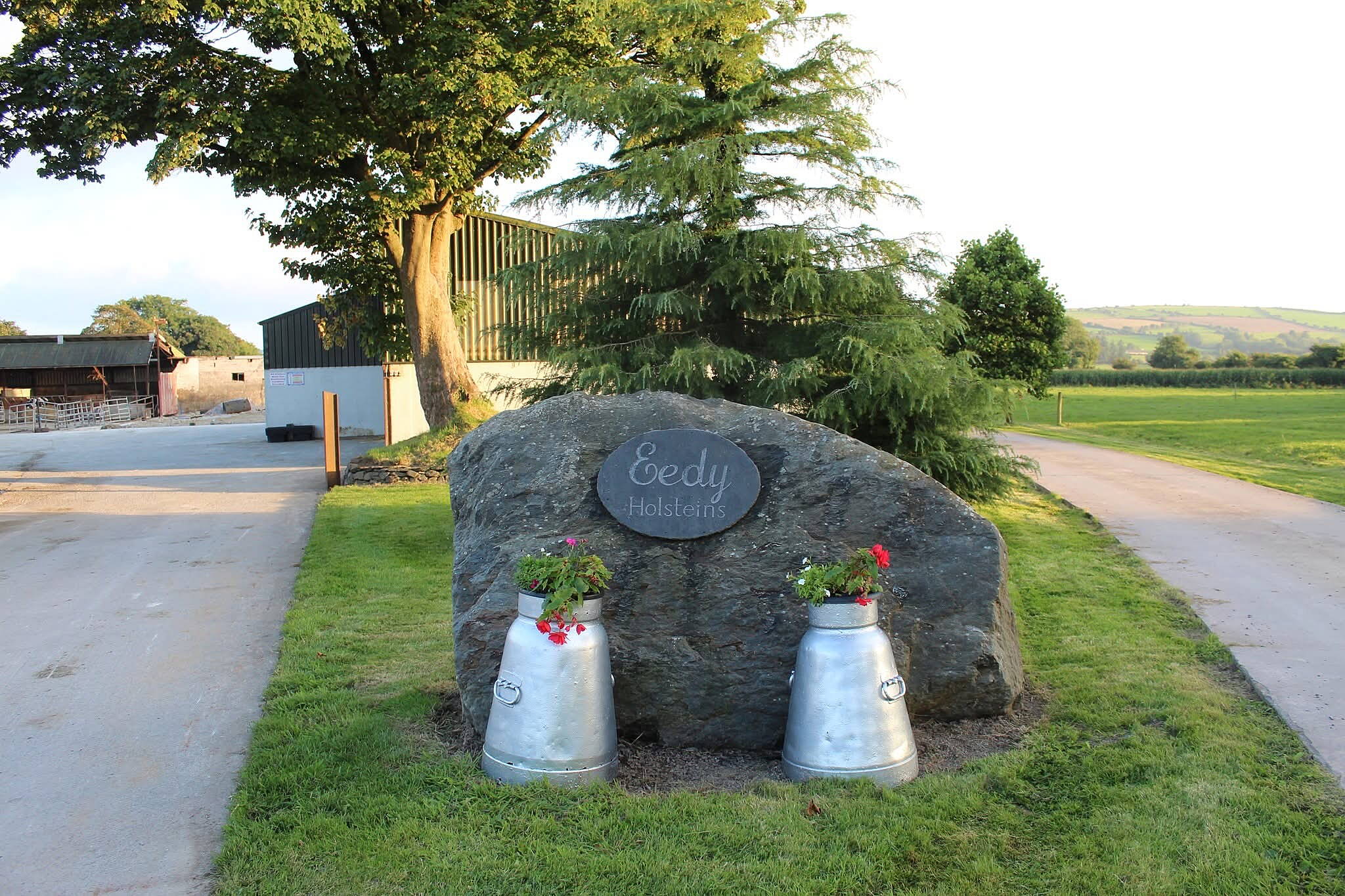
The Helen’s achievements become even more impressive, considering Robert started out in 1994, when he took over his uncle’s farm William Eedy, in Lisroe, Clonakilty, with only 12 cows, and not a single pedigree.
In the intervening years, the Lisavaird supplier worked hard to build up a pedigree herd, expand the land base and improve farm infrastructure.
Robert also worked in the AI centre of South Western, where he started off feeding the bulls in the AI station and then progressed to the National Cattle Breeding Centre where he’s now buying the bulls that go into stud, for them.
‘His off-farm job influenced his farming. He decided to get into North American genetics, 100% Holstein, and produced more milk per cow, for a small land base. He invested wisely, reclaiming land and improving the grazing infrastructure and when he could, improving the farming facilities around the yard. He was constantly driving things on,’ said Jason who also works part time with World Wide Sires, genetic company that sell AI straws.
They’re farming 160 acres between the home block, outside farm and rented land, and they’ve double the national average for production per cow.
Last year they produced 9,226L at 4.28% butter fat, and 3.44% protein and that gives combined kg of milk solids of 713kg. The national average is about 450kg.
Jason credits that to a combination of genetics, feeding and management.
‘We buffer feed all year even during the summer and also give maize silage every day – we grow 25 acres of maize – which would be different to most farms, to keep milk production up,’ said Jason.
The father and son’s underlying interest and talent for breeding is what sets them apart.
‘We use semen from the US or Canada using all Holstein straws , we don’t use any beef on any cow and use around 30% sexed semen as well for our on-farm heifer sale every year (which is on Saturday August 29th). We could have 50 heifer calves but we only need 20 so we well the other 30 at a public auction on the farm,’ said Jason.
It’s hardly surprising their animals are in high demand.
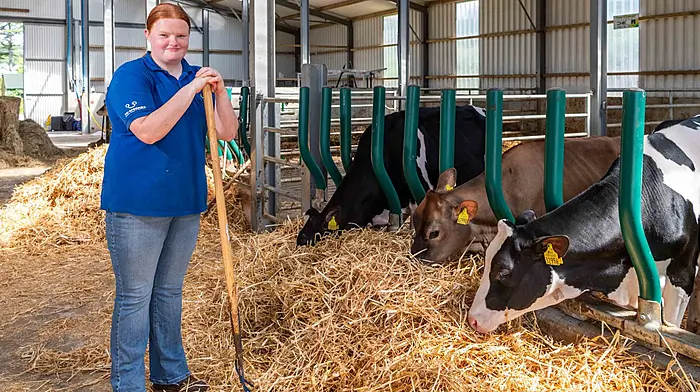
Animal welfare is a top priority for the Helens and each animal has its own CowManager heat and health electronic tag which Jason describes as a game changer.
‘We also put an emphasis on baby calf husbandry and invested in a new shed for them last year with good ventilation, plenty of space and light which makes things a lot easier,’ said Jason.
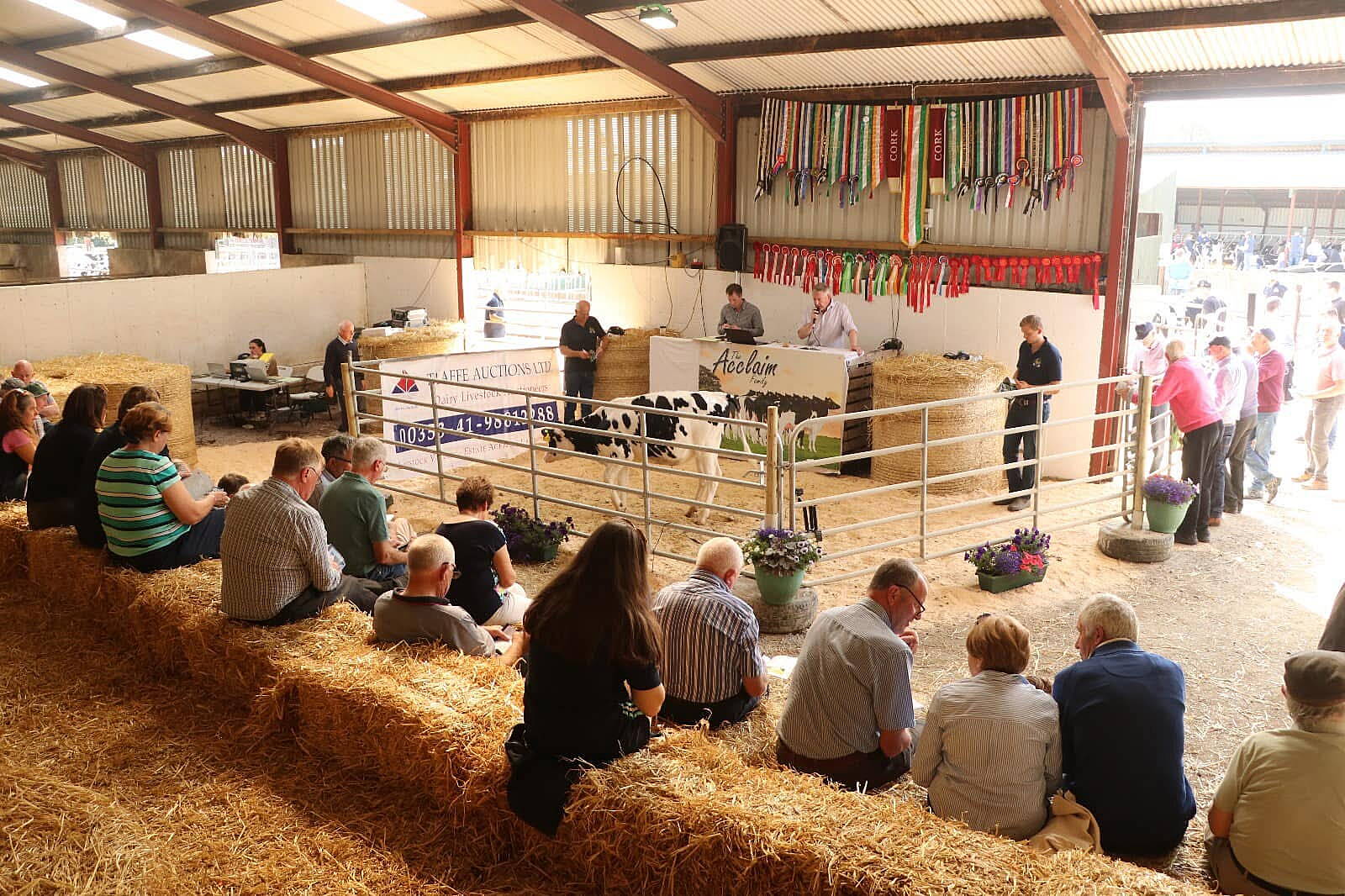 Helen farm during one of their annual youngstock sales.
It’s a tight-knit family enterprise with Jason’s wife Laura and mother Sylvia also playing vital roles.
‘We don’t have outside labour bar an occasional relief milker,’ said Jason who studied agriculture in England and has worked on the farm since 2019.
He met Laura in the UK, she was studying agri-businesses, and they’re parents to 10 month old twin girls Fern and Lily who love nothing more than looking on at morning and evening milking.
Day-to-day, it’s a commercial dairy farm like any other. However the family also show their cows locally and nationally including at the National Dairy Show in Millstreet where they regularly win top titles.
‘The pedigree aspect and the shows are a nice distraction to from the daily challenges of farming. The shows are a huge social aspect. We’ve friends from all other Ireland and the world from shows. We’d often go on holiday to a country and go to a cow show, we love it that much,’ said Jason.
The Helen’s don’t have plans to expand their herd, but to improve what they have including a new milking parlour next year and other farm buildings.
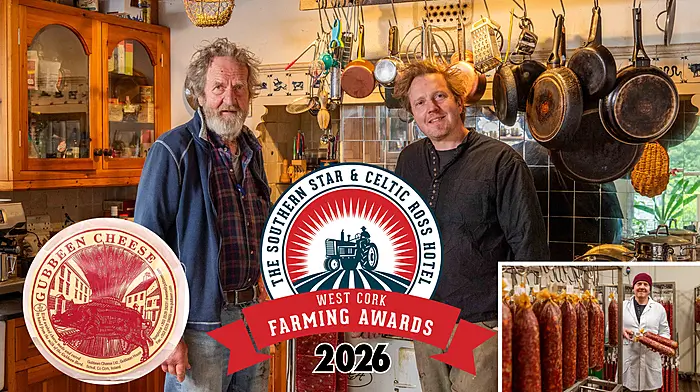
‘Winning The Southern Star award and to be recognised locally is fantastic. Farming isn’t always plain sailing and times can be tough, so it’s important to celebrate things like this! It’s also a great opportunity to talk about the pedigree side of dairy farming, which we’re really passionate about,’ said Jason.
‘I feel times are changing in the agricultural sector, but I appreciate that for some, gender is still a barrier into farming. Having forged a career in the industry and now farming alongside me, Laura is so passionate that, should they want to, both our daughters will have an opportunity to farm. I couldn’t agree more, and its priority now to futureproof the family business,’ he concluded.