
WHAT began 20 years ago as Erasmus projects, pilot programmes and community of interest groups has evolved into the National Social Farming Ireland Network, funded by the Department of Agriculture, Food and Marine since 2016, and recently awarded the National Network funding tender until 2030.
With steady expansion of the network, Social Farming Ireland is interested in hearing from farmers in Cork who want to diversify their farming activities and income opportunities, to support people in the natural environment of the farm in their community, making a real difference in their lives and strengthening our rural communities.
Led and delivered by Leitrim Development Company (LDCo), Social Farming Ireland collaborates nationally with local development companies such as Avondhu Blackwater, South and East Cork Area Development (SECAD) and West Cork Development Partnerships and delivers six regional hubs across Ireland with - West Limerick Resources, Waterford Leader Partnership, and South West Mayo Development Company.
ADVERTISEMENT
Social Farming offers planned, outcome-based placements on ordinary working family farms.
It provides people with an opportunity to spend time on farms and carry out activities in a supportive and inclusive environment.
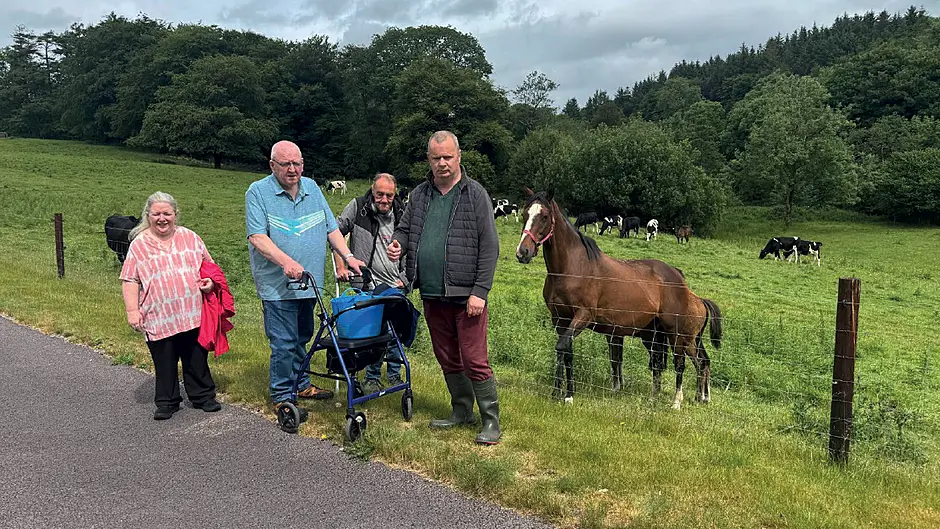
Activities focus on the ordinary everyday farm routine including collecting eggs, feeding animals, animal care, growing in the kitchen garden and polytunnel, cooking and baking to name a few.
The farm remains a working farm at its core with people joining in naturally with the day to day rhythm and activities of farm life to support people through inclusion, integration, equality and participation.
This non-clinical support is based on the relationships that are developed between the people who participate, the social farmers, their families and the wider community, and helps individuals to achieve their own chosen goals.
Research carried out by Dr. Aisling Moroney for Social Farming Ireland found that participants experience a range of benefits, across multiple dimensions of well-being including improved mental health and well-being, increased self-esteem, enhanced social contact and social confidence, improved physical fitness and well-being and the development of new skills.
Social Farming Ireland now works with over 200 farmers nationwide.
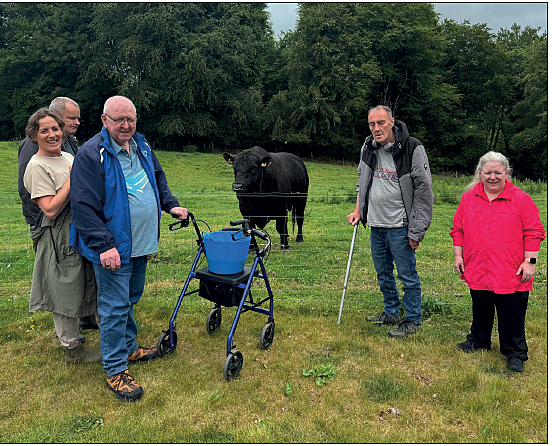
The network continues to develop and with increased interest in Social Farming as a beneficial non-clinical support from health and social care service users, and we are seeking to expand the network in the South.
As well as an interesting income diversification option, social farming provides a meaningful way in which farmers can contribute to social inclusion and enhance the sustainability of the farm.
Social Farming can shift the mindset of the family farm beyond food production alone, and create opportunities for the next generation of our farming families to impact rural community cohesion.
The Social Farming network is also interested in hearing from people and their advocates or services who would like to benefit from and to take part on Social farms.
This might include disabled people, those in recovery from mental ill health, young people, older people, migrants, people who are unemployed long term, and others who may benefit from spending time active outdoors in the natural environment and engaging with plants animals and other people.
Social Farmers are an incredible resource in our communities and are providing valued knowledge and expertise to people in their local area.
Louise O'Mahony and her husband Christophe are Social Farmers in Carrigaline.
They have horses, a few sheep and goats, pigs, cats, dogs, and a peacock named Lord!.
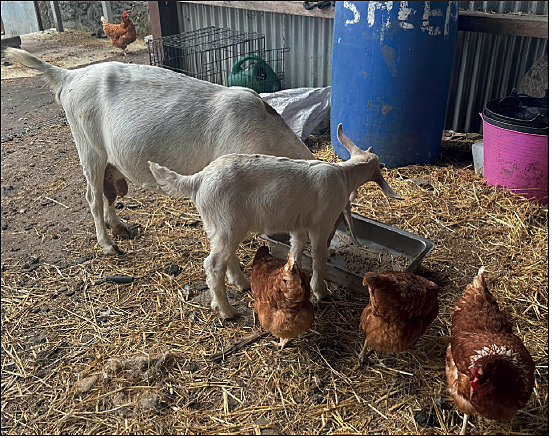
The pigs are the newest addition to the farm, and there's a foal on the way soon.
People participating on Louise's farm enjoy feeding and moving animals, horse grooming, engaging with the animals and many other activities.
'Not everyone wants to touch the animals, some people want to be out in nature so walks are also a nice option. Whatever the participant is looking for is what we do on a given day. Louise recalls a participant who 'was very active and wanted physical work, so he was up the fields with Christophe filling up a wheelbarrow with wood. Every day is different, it all depends on what a participant wants, we just allocate the time and get on with it!".
Louise describes her experience being a social farmer as 'rewarding, and very interesting'.
Both Louise and Christophe trained with Social Farming Ireland and have supported people on their farm for about 3 years.
They initially got involved through a recommendation from another social farmer who came to their farm to buy animals.
They started chatting and he told Louise about his experience with Social Farming Ireland and linked her with the local South Regional Coordinator.
Since then, Louise and Christophe have supported many people from a range of different services including disability services, mental health, youth and justice services, as well as homeless services.
There's structure to your day with social farming, you can decide what hours suit you.
Everyone really enjoys their time on the farm and we usually have tears saying goodbye on the last day of placement.
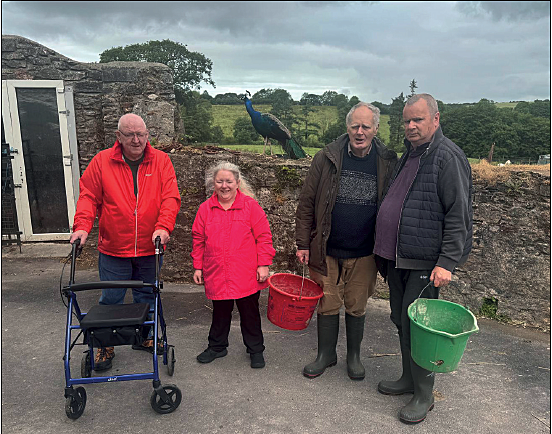
She encourages future social farmers to 'make the time for social farming - it's so rewarding, the participants are amazing and they really benefit need it!'.
Health and social care services and advocates have also praised the exceptional governance of placements and the dedicated work of Social Farming Ireland's Regional Co-ordinators throughout the country making these opportunities possible.
The team has recently welcomed Marie O' Leary, the new Regional coordinator for the South, a Cork native based in Cork City, she is working directly with farmers, participants, service providers and regional stakeholders to ensure smooth running of placements, as well as supporting new farmers through the onboarding and training process.
Social Farming Ireland has a round of training coming up in the next weeks and encourage farmers who are interested to get in touch and learn more about what's involved or simply register with us at: https://www.socialfarmingireland.ie/contact/
You can also contact the main office on: (071) 964 1772, email us [email protected]
SOCIAL FARMING IRELAND New Opportunities Connecting People Enhancing Lives