A drive into the heart of West Cork often means a slow change of view. Tree-lined lanes give way to rolling fields and glimpses of the harbour. Commuting here is rarely about rush hours or concrete. Locals have learned to turn travel time into something useful or restful. Short journeys to nearby towns become chances to listen to a favourite podcast, while longer trips to the city can include a stop for a warming tea at a café. Those small choices make a day feel less like a series of chores and more like a string of manageable moments.
People who travel regularly say that having a routine helps. Packing a small bag with a thermos and a paperback creates a simple ritual. Cycling a portion of a route adds a brisk burst of exercise that wakes the mind. Sharing lifts with neighbours changes a solitary commute into a short social hour. Those swaps may seem modest, yet they shift the tone of a working day. Planning small adjustments also builds a sense that time on the road is not wasted.
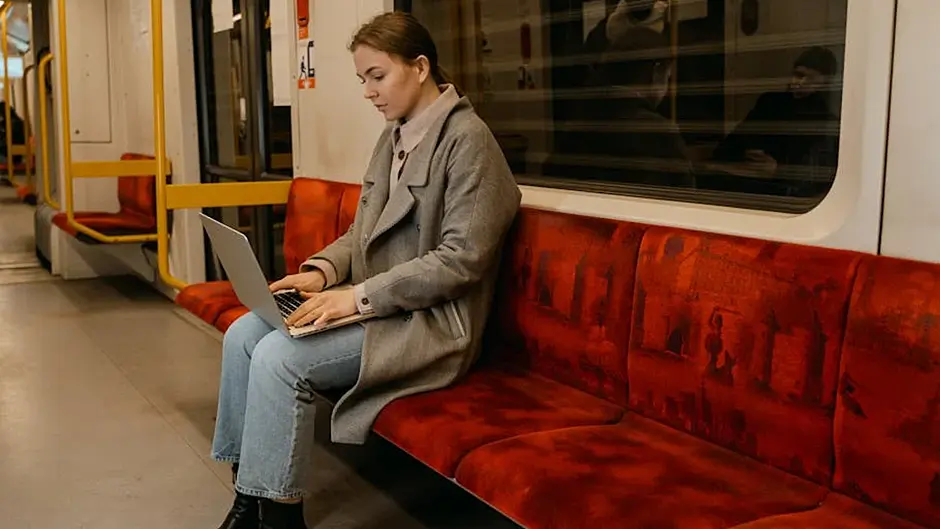
There is also a digital side to how residents use travel time. Many make the most of smartphones or laptops to read the news or learn a new skill while en route. Some enjoy a long audio drama to help the miles pass quickly. Apps can suggest quieter routes or scenic spots to pause along the way. In a similar vein, some leisure sites use short-term incentives to attract attention. For example, online casinos that offer a free welcome bonus no deposit required UK players can claim exist and can be accessed on mobile devices during breaks. These sites generally have mobile-friendly layouts, simple payment options, and live support chat to assist first-time users.
ADVERTISEMENT
Making travel time work also means thinking about wellbeing. A short walk before a long drive clears the head. Deep breathing or a simple stretch at a service stop steadies the body. Choosing a playlist with calm tracks rather than frantic pop makes a difference. Slowing the pace also allows people to notice what is around. Fields, quiet lanes, or coastal views can provide a grounding moment. Many report arriving at meetings in a better frame of mind after taking a mindful pause en route.
Local businesses have adapted to the commuter mood. Some cafés now offer pre-order options for takeaways, while bookshops stock audiobooks or other portable entertainment. These small conveniences can fit into a commuter’s routine without adding extra time.
Transport choices also make a difference. Bus passengers often use the journey to plan their day. On longer routes, commuters may share tips about scenic stops or practical places to park. Drivers who take back roads add a few minutes to their journey but enjoy better views and fewer hazards. Carpooling motorists report lower stress and reduced fuel costs. Local Facebook groups and noticeboards are full of practical tips for saving time and money on regular journeys.
The social side of commuting is often overlooked. Carpool groups help neighbours get to early shifts. Occasional lift swaps allow someone to attend an evening event without worrying about a return journey. A short conversation with a fellow passenger on a morning bus can form a thread of community that runs through the week. These small connections matter in places where local networks keep life moving.
Work patterns that mix home and office days have created fresh commuting habits. Some choose one long trip each week instead of daily back-and-forth travel. Others cluster in-town meetings together to reduce the number of journeys. The result is fewer wasted miles and more time at home when it counts. Employers have noticed the benefits. Flexible start times and a willingness to combine appointments have eased pressure on everyone to travel at the same time.
Residents also have practical tips for smoother commutes. Checking the weather before leaving, charging devices overnight, and keeping a spare phone charger in the glovebox are simple measures. Mapping out at least two routes helps avoid delays caused by diversions or roadworks. Public transport users can download timetables and set alerts for changes to stay ahead of any disruptions.
Commuting in West Cork is increasingly seen as a chance rather than a chore. Simple rituals, thoughtful use of technology, and a willingness to try different routes have made daily travel less tiring and more useful. People who once treated their journeys as something to get through now see them as a small part of the day that can be shaped. That shift makes a tangible difference to how the week feels.