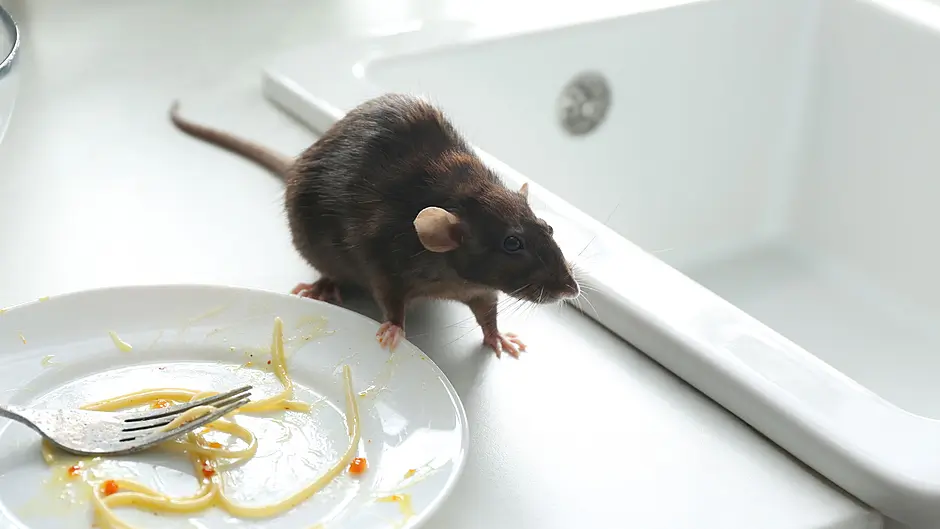
Vehicle owners are being asked to remain alert to rodent activity after a survey of pest technicians revealed that rats and mice are regularly being found inside cars, vans, and trucks.
In a nationwide Rentokil survey, 84% of technicians reported finding rats in a vehicle, and 57% had encountered mice. Over half (57%) said they had dealt with such a pest issue within the past month alone.
Cars were the most commonly affected vehicle type, followed by vans and trucks.
ADVERTISEMENT
Rodents are attracted to vehicles for warmth, shelter and protection, particularly during colder and wetter weather. Engine bays and hidden compartments in vehicles make ideal harbourage and nesting spots. However, once inside, rodents can gnaw through wiring, insulation, seatbelts and pipework, potentially leading to breakdowns, costly repairs and even a fire risk.
Colm Moore, the regional technical manager for Rentokil, said: 'We’re seeing more and more cases of rats infesting vehicles, and with colder weather, the risk increases significantly. Rats are exceptionally agile creatures and can squeeze through surprisingly small gaps, entering through grilles, vents, or even an open car window. They also have neophobic tendencies, meaning they’re wary of new objects, so a vehicle that’s been parked in the same place for a long time can actually become more appealing to them, because it feels like a stable and undisturbed environment.
'If you notice an unusual ammonia-like smell, hear scratching sounds or see evidence of nesting materials in your vehicle or under the bonnet, it is important to act quickly.'
For businesses operating vehicle fleets, particularly in sectors such as food delivery, rodent damage can disrupt operations, lead to unplanned downtime and reputational damage.
People are advised to check their vehicle regularly, including under the bonnet, especially during colder months, for signs of droppings, gnaw marks or unusual smells.
Remove food or rubbish from inside the vehicle, taking away their food source, will make your vehicle less attractive to rodents.
Park in regularly used areas where possible, and avoiding parking near bins, compost heaps or overgrown vegetation, as these areas attract rats.
Do not leave vehicles stationary for long periods. If this is unavoidable, move it occasionally just to disrupt any nesting attempts.
Keep windows fully closed when parked, just to ensure they can't climb their way in.
Regularly remove child seats, and vacuum thoroughly underneath them to remove any crumbs and compacted food morsels.
If you park your car in a garage or covered carport, then don’t forget to keep the area clutter-free so rodents don't find an easy place to hide.
In addition to regular vehicle checks, Rentokil advises homeowners and businesses to maintain good external hygiene practices, secure bins properly, and seal gaps around properties to reduce the risk of attracting rodents in the first place.
More information on identifying and preventing rodent infestations is available on Rentokil’s website.