A significant drop in temperature comes with a warning to wild swimmers of the increased risk of shock.
Water Safety Ireland (WSI) issued a statement urging people to be safety aware as the days grow shorter and temperatures plummet.
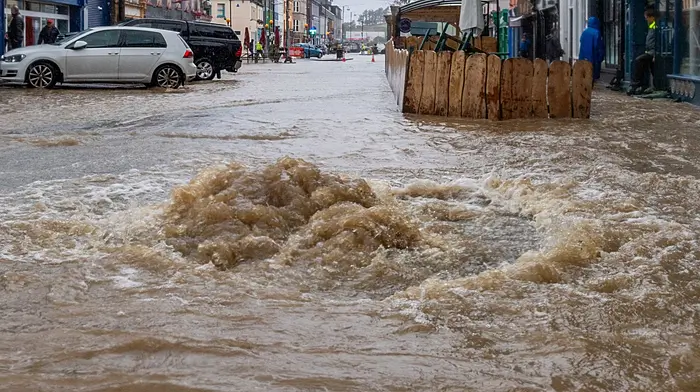
With water activities continuing throughout the year, a spokesperson for WSI outlined how the body reacts to cold water and cautioned swimmers to ‘stay alert to hazards such as cold-water shock, rip currents, and hidden depths caused by localised flooding.’
ADVERTISEMENT
Swimmers are urged to always carry a reliable way to communicate, check weather and tide updates, and let someone know your plans before heading out.
The guidelines are as follows: plan ahead by reviewing weather forecasts, tide schedules, and wave conditions. Pack warm clothing and a hot drink for after your swim. Keep a mobile phone in a waterproof case.
Don’t swim solo: always swim with a companion and inform someone of your intended route and return time.
Ease in gradually: enter the water slowly to help your body adjust and reduce the risk of cold-water shock.
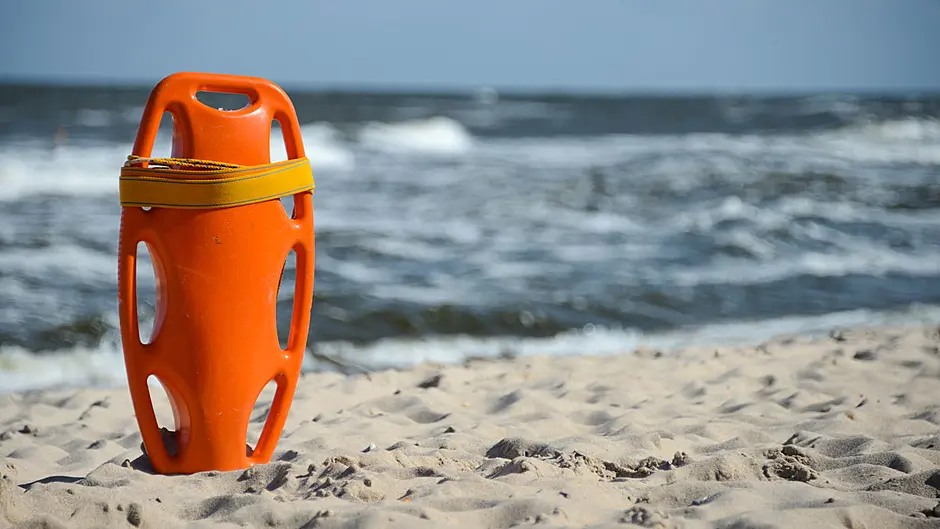
Make yourself visible: wear a brightly coloured swim cap and consider using a tow float for added visibility.
Know your limits: stay within a depth you're comfortable with and swim parallel to the shore.
Rip current awareness: if caught in a rip current, stay calm. Swim parallel to the shore to escape, or float to conserve energy.
Keep someone informed: share your swimming plan, location, and expected return time with someone on land.
Remember, if you find yourself in difficulty in the water, Float to Live.
If you see somebody in trouble on the water or along the coast or think that they are in trouble, use Marine VHF Ch 16 or dial 112 and ask for the Coast Guard.