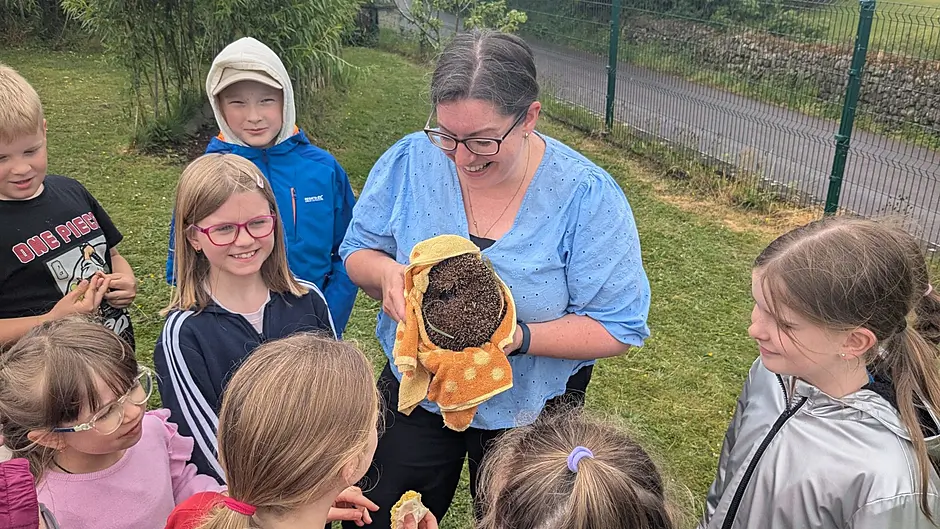
A WEST Cork primary school with just 19 pupils is punching well above its weight when it comes to climate protection and
sustainability.
The recent COP30 in Brazil put the global spotlight on the need to halt rising temperatures, however Ballymoney National School has consistently been doing more than its share to promote biodiversity and climate protection from its location overlooking Bandon River, for years.
In recognition of the forward-thinking ethos at the two-teacher co-educational school, it was honoured as a finalist in the recent national Full Circle Awards.
ADVERTISEMENT
Making this even more impressive, is the fact that Ballymoney NS was the only school in Ireland to reach the final of the competition, which is run by circular.ie, Ireland’s new Circular Economy Engagement Programme.
Ballymoney was a finalist in the Young Circular Star category which celebrates children and young people leading the way in sustainability and circular thinking—in school, at home, or in their community. Specifically Ballymoney was recognised for its food waste approach.
‘All our food waste is divided and goes into our wormery and our compost heap, the compost is used to grow vegetables in our raised beds and then the peels and scraps go back into the wormery,’ explained principal Shireen Rountree.
This recognition builds on a proud record of achievement. In 2024, Ballymoney NS received the International Creativity in Schools Award in Paris, presented by the Global Institute of Creative Thinking, for its innovative approach to climate change education.
The school’s project stood out for its integration of music, science, art, and technology to address climate change. Students aged nine to 12 took part in the project, which involved writing and performing a climate awareness song, creating a sustainability leaflet for their local community, building models of sustainable homes, and engaging in gardening activities.
They also constructed a ‘free little library’ using repurposed materials.
And in 2021, students collaborated on making a mural mad out of bottle tops depicting the twin villages of Ballineen and Enniskeane. A total of 12,400 bottle caps attached to the wall mural.
All of this is just part of a day’s work at the school.
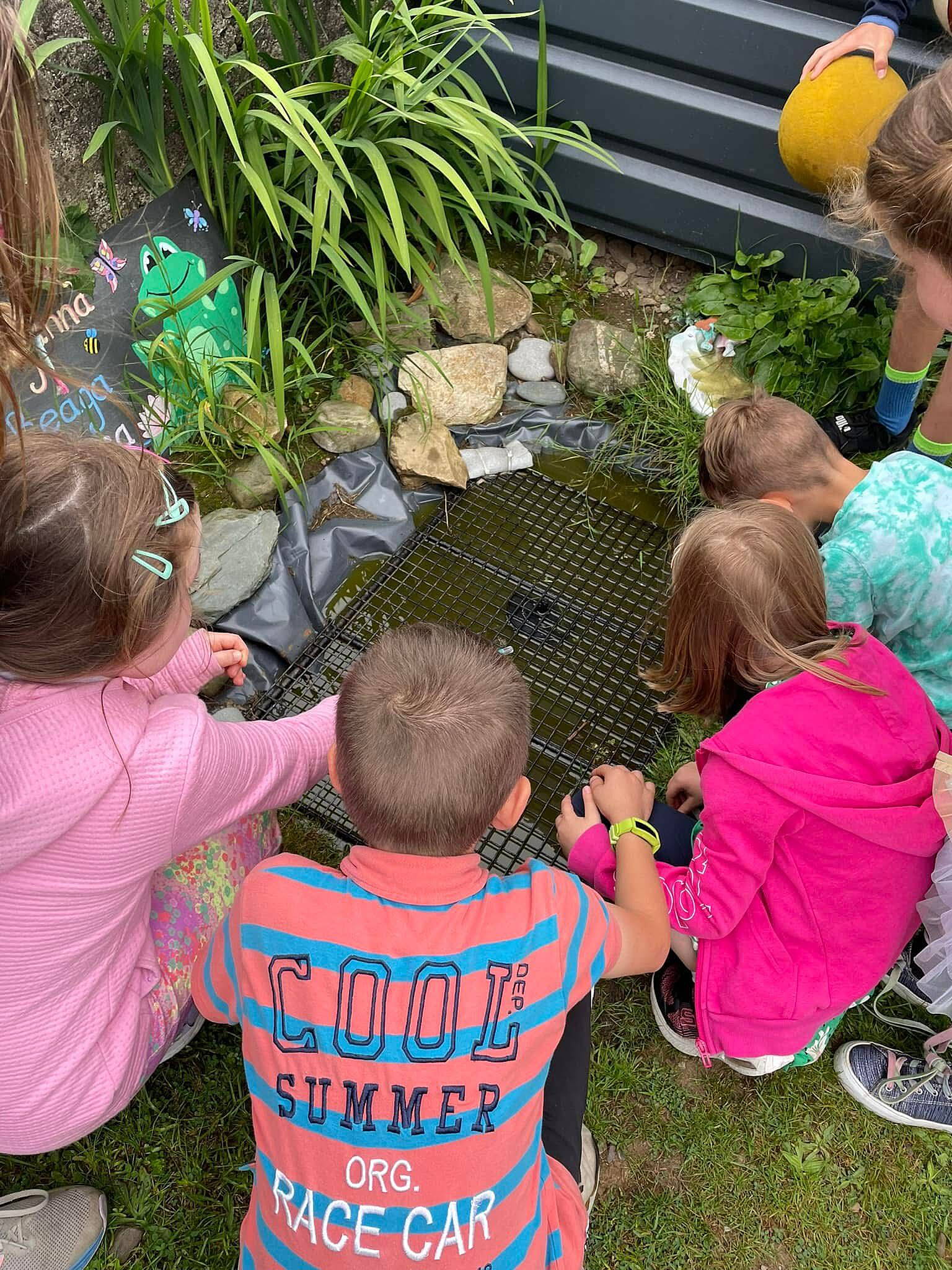
‘The school’s cross-curricular method integrates climate action into English, science, art, music, and SPHE—always in ways that are fun, creative, and engaging for pupils,’ said Shireen.‘The school weaves sustainable practices into everyday routines, with strong support from parents. Outdoor education is central: pupils grow fruit and vegetables, make compost and vermicompost, harvest rainwater, and have even built a frog pond with a solar-powered fountain to encourage biodiversity.’
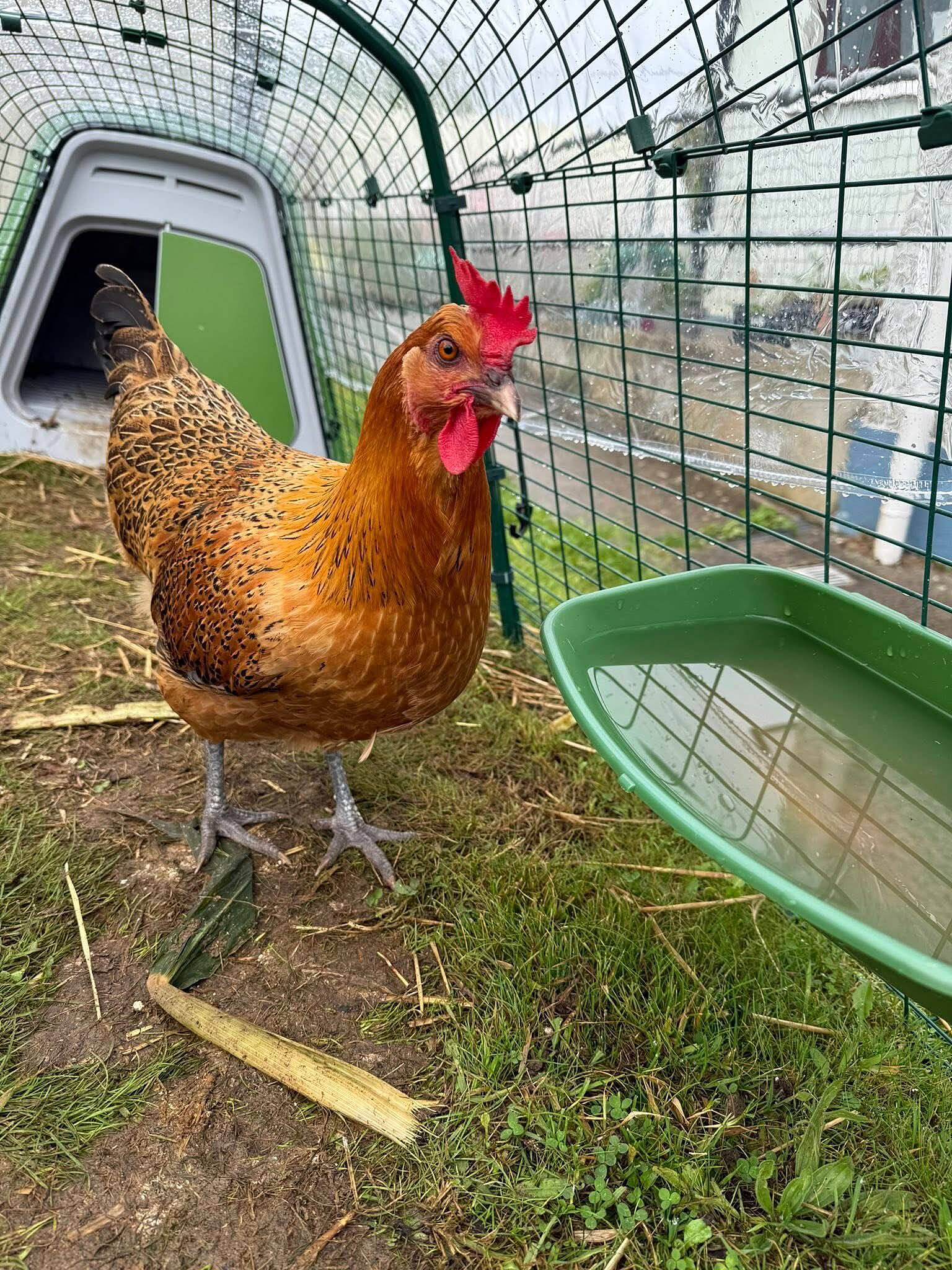
Students also learn responsibility by caring for a school hen, who they have named Olive, which has quickly become part of daily life.
Sustainable travel is another priority at Ballymoney NS.
‘Pupils use the public bus for school tours, with every child holding a Leap Card to encourage lifelong sustainable habits. Annual cycling workshops also equip them with the skills and confidence to cycle to school safely,’ said Shireen.
Ballymoney NS is also recognised as a socially innovative school and is proud to be part of the DCU Changemaker Schools’ Network. Changemaker schools are selected for their focus on 21st-century skills such as teamwork, leadership, creativity, and empathy.
In Ballymoney, pupils are encouraged to turn ideas into action. They have built a Free Little Library outside the school gate for the whole village to enjoy, and in 2024 they created a community leaflet to share practical tips for sustainable living and highlight local
services.
Education has been part of Ballymoney’s story since 1839, with the current school building opening in 1958. Since then, it has undergone three extensions and extensive modernisation to meet the needs of today’s pupils.
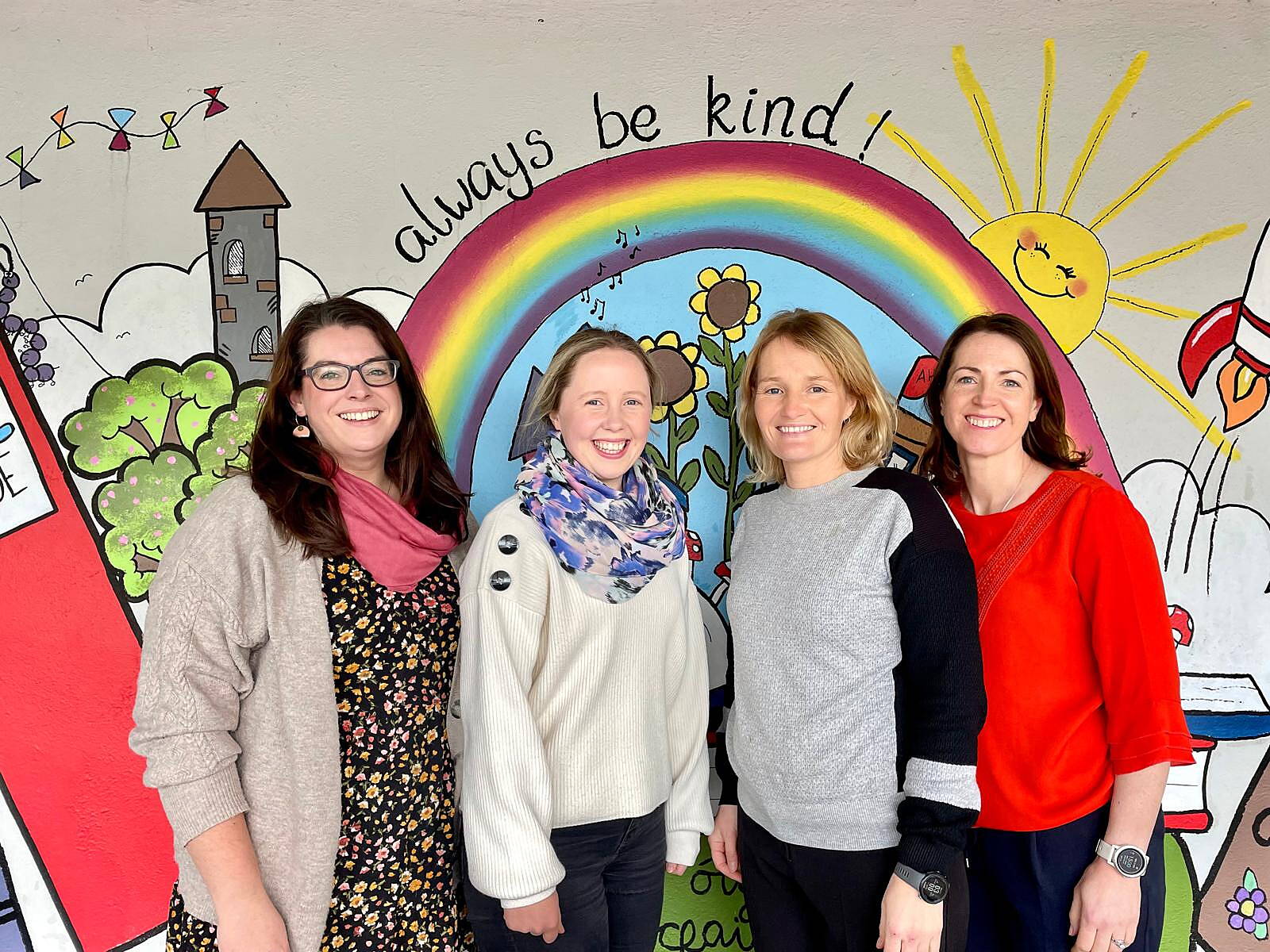
Shireen teaches third to sixth class; while Amanda Sullivan teaches the junior room, and the climate interest, drive and commitment all comes from the pupils said Shireen, who recently completed a Masters in education for sustainability.
‘They are all living rurally, many on farms and this is what they’re interested in,’ said Shireen. ‘It’s a whole school community effort with parents involved through fundraising and helping out at our annual Meitheal clean-up day.’