EDITOR - During the Dáil debate on Ruth Coppinger TD’s bill to ban fox hunting, one of the many disturbing details highlighted was that, during the Irish Famine (An Gorta Mór), it was fun and games for fox hunters.
Deputy Paul Murphy noted that ‘the Irish Masters of Foxhounds Association was established in 1845 during the famine” and that “while ordinary people were starving to death, there were aristocrats in red coats riding around on horseback, torturing animals to death’.
Richard Boyd-Barrett referred to the ‘contrast between the enforced starvation of the Irish people during the famine and the expansion of so-called rural pursuits by the British nobility’.
ADVERTISEMENT
Labour Party TD Ged Nash stressed that ‘the historical context of fox hunting in Ireland cannot be ignored’.
Between 1845 and 1852, one million Irish people starved to death or died of related illnesses.
The unspeakable cruelty in pursuit of the uneatable did not allow this to interfere with their fun.
Their bellies bloated with the finest food, they callously galloped by, showing little more sympathy than they held for the doomed foxes.
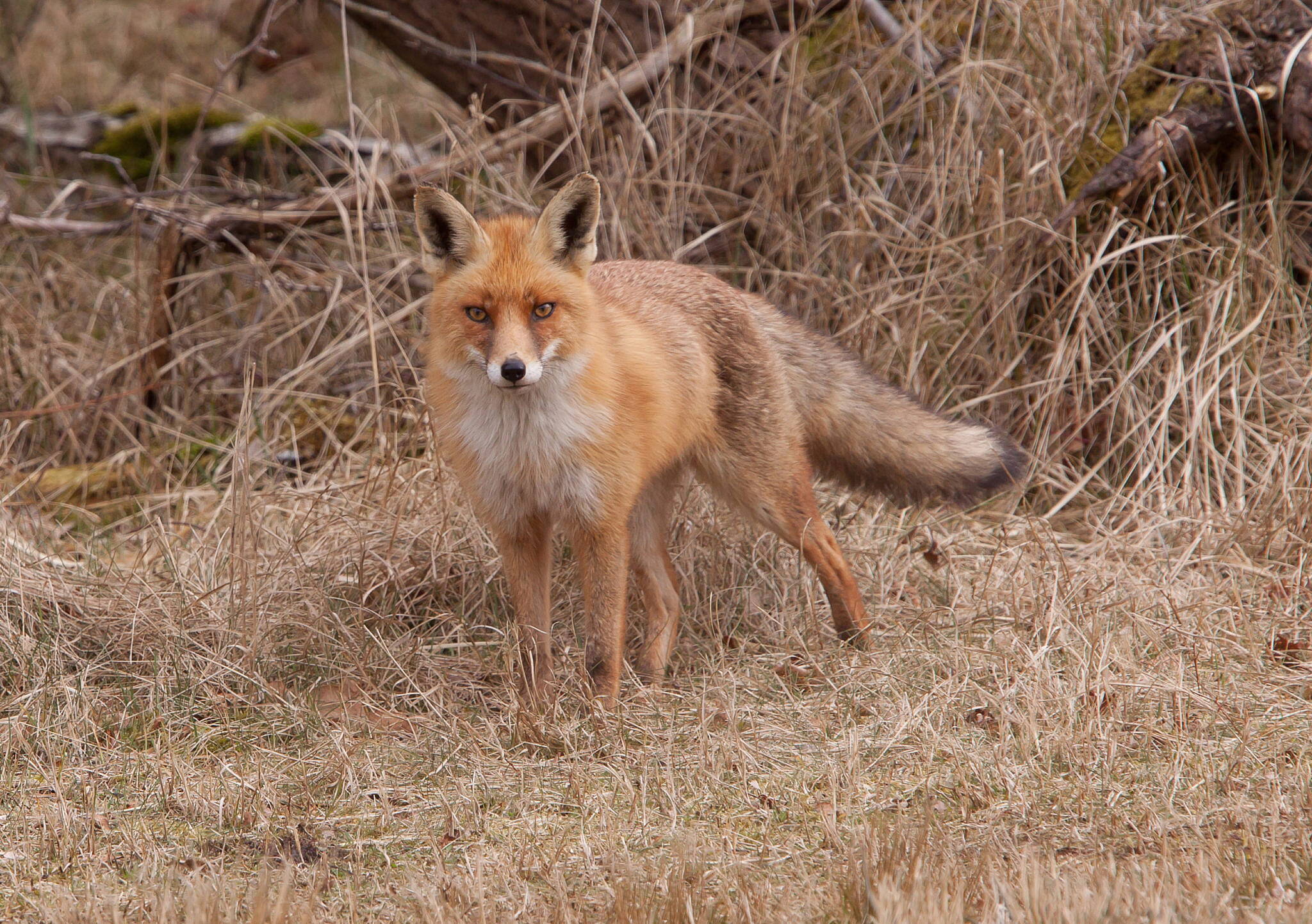 Fox hunting should be ‘consigned to history’.
The Cork Southern Reporter of 13th March, 1847 best conveyed the awful contrast: ‘The sound of the huntsman’s horn and the yelping pack mingle in terrible discordance with the groans of the dying parent and the cries of children perishing for lack of food.’
In A Complete History of the Westmeath Hunt, we are told that ‘while the rich and wealthy lived in luxurious country mansions and could indulge in feasting, sport and leisure, their tenants lived in wretched poverty and in danger of starvation’.
The story is the same in A History Of The Kildare Hunt: ‘There was misery everywhere. The huntsman once told me that his sufferings were great in Kilkenny during the famine years, when he saw starving people and yet had to feed the hounds.’
Fox hunting should not have happened during our country’s darkest days and, 180 years later, it should not be happening now. The sooner this contemptible cruelty is consigned to history the better.
Philip Kiernan, Irish Council Against Blood Sports.
Swell of support but in a year of brutal conflict
EDITOR - I would like to thank all your readers for their generous support for good causes this year. Sadly, 2025 will be remembered as a year of brutal conflicts, some of them front-of-mind and others largely forgotten. In the humanitarian sector, we have seen a huge spike in demand for aid at a time when global aid budgets have been slashed.
However, it was also a year when people across Ireland stood in solidarity with those living in poverty and crisis, through their support for the work of Christian Aid Ireland.
Gaza endured a second year of relentless attacks and, as a consequence of the Israeli blockade, famine was confirmed in August. Appalled by the scenes beamed onto our TV screens every day, donations flooded in, enabling our local partners to provide hundreds of thousands of people with food, shelter and medical assistance. Many of these local partner staff delivered life-saving aid while themselves displaced and hungry.
In contrast with Gaza, the crisis in the Democratic Republic of Congo (DRC) has gone largely unreported. Fighting in the east of the country forced hundreds of thousands from their homes and farmland, creating a hunger crisis that’s left a third of the population without enough food to eat.
Living under canvas in displacement camps, families live a hand-to-mouth existence but thanks to the generosity of people here in Ireland, our local partner was able to provide cash grants to help people afford the basics.
I’m hugely grateful to your readers for the sacrifices they make and the compassion they show to help people living amidst unimaginable misery and desperation. Truly their kindness is saving lives and bringing hope.
Rosamond Bennett, Chief Executive, Christian Aid Ireland.
Cancer roadshow vital in early detection
EDITOR - We were delighted that more people than ever before (29,900) attended our roadshow in 20 locations nationwide in 2025. We are also looking forward to continuing to bring the roadshow to communities across the country in 2026. The roadshows are important in helping with the early detection of cancer.
People attending the roadshows had a wide range of concerns ranging from risks of cancer, diagnosis, treatment and support after treatment. The majority of concerning symptoms presented at the roadshow were skin changes, weight loss, and changes in toilet habits.
Many people reported that they had not been to their GP for some time. For 17%, it was more than a year since they last saw their GP, 41% up to a year, and 6% did not have a GP, so they were very grateful for the opportunity to speak with a cancer nurse. We are urging people with any worrying symptoms to go to their GP and get them checked out. If you’ve noticed any unexplained weight loss, a new lump or a persistent cough, make it your New Year’s resolution to get it addressed and find out what’s causing it.
Screening programmes like BreastCheck, CervicalCheck, and BowelScreen can help to pick up cancer early in people who may be showing no other symptoms, so it is vital that those who are eligible, attend for screening when they are invited.
We know that the early detection of cancer is vital and saves lives, so the sooner you uncover what is causing your symptoms the better your changes are of successful treatment.
Anyone with a concern or query about cancer can contact the Irish Cancer Society’s Freephone Support Line at 1800 200 700 or email [email protected].
Kevin O’Hagan, The Irish Cancer Society.