A decade ago, private investors struggled to access international markets: trading terminals were expensive, and minimum deposits often ran into the thousands of dollars. Today, all you need is a smartphone and an internet connection; in such a short time, almost everything has changed — from trade execution speeds to how traders learn.
Selecting a reliable intermediary remains crucial, however. Every serious forex broker today competes not only on trading terms but also on technology quality, transparency, and regulatory standing. It is therefore worth understanding exactly how the industry has transformed.
From Phone Calls to Mobile Platforms
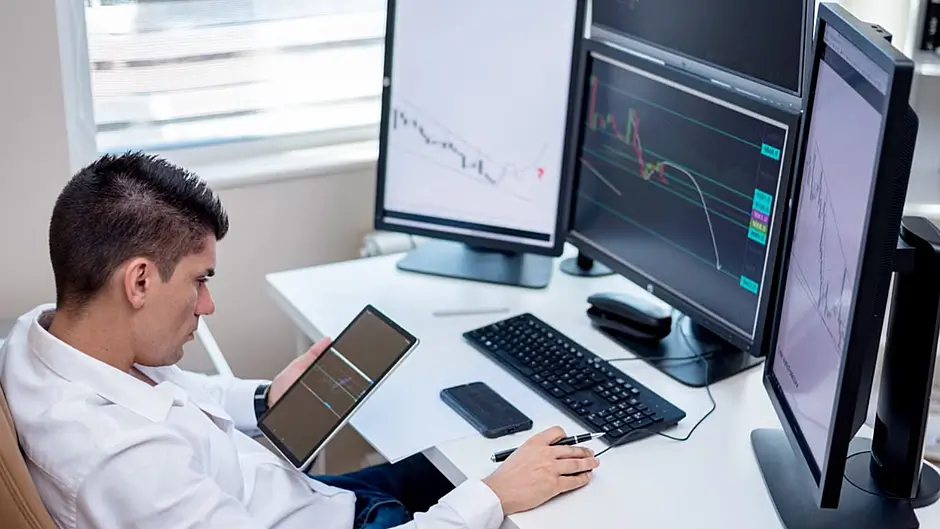
As recently as the early 2010s, many trades were executed via phone calls to brokers or on bulky desktop terminals. Mobile apps have revolutionised this model. Quotes, charts, and position management are now accessible in real time from anywhere in the world.
ADVERTISEMENT
At the same time, order execution has sped up, and technology platforms have incorporated analysis tools previously available only to professionals.
The shift to cloud-based solutions has been equally significant. Platforms are now web-based, so no software needs to be installed, and data synchronises seamlessly across devices. For novice traders, this has lowered the technical barrier to entry.
What Has Become More Accessible
Technology has impacted not just the user interface, but the entire suite of capabilities available to retail clients. Key changes over the last decade include:
- real-time mobile trading;
- demo accounts for practice;
- advanced technical analysis tools;
- automation via trading robots;
- access to a wide range of asset classes;
- online educational materials;
- API for algorithmic strategies.
These innovations have opened the market to a wider audience. But accessibility does not eliminate the need to understand the risks. The easier it is to begin, the more important it is to understand how the tools work and to approach capital management consciously.
Regulation and Transparency as Part of the Evolution
Regulation has kept pace with the technology. The MiFID II directive is now in force across Europe. It set the rules for disclosure of information, client protection, and quality of execution of trades.
Dukascopy Europe IBS AS is a subsidiary of Dukascopy Bank, a Swiss Banking Group member licensed in Europe (regulated by the Bank of Latvia (Latvijas Banka)). The company provides more than 1,500 trading instruments, and clients are covered by an investor compensation scheme of up to €20,000, subject to applicable conditions. Clients may be entitled to compensation of up to €20,000 under the Latvian Investor Compensation Scheme if Dukascopy Europe is unable to meet its obligations towards the client. The scheme does not cover losses resulting from changes in the price of financial instruments. Specific products and terms are subject to availability and the client's country of residence and eligibility.
Remember that all trading instruments offered by Dukascopy Europe are CFDs*. This means the trader does not purchase the underlying asset itself but instead trades a contract for difference.
Where the Industry Is Heading
The next stage of development involves artificial intelligence, personalised analytics, and the further integration of banking and trading services. Dukascopy Europe, for instance, provides access to its trading infrastructure within the framework of European regulation, reflecting the broader development of technology-driven financial services.
Ten years ago, trading was mostly for professionals. Today, thanks to mobile apps, cloud platforms, and tighter regulation, global markets have become accessible to a much broader range of retail traders. But easier access doesn't make trading any less risky. Choosing your broker carefully, knowing what you're trading, and managing your risk are still what matter most.
Disclaimer:
*CFDs are complex instruments and come with a high risk of losing money rapidly due to leverage. 68.82% of retail investor accounts lose money when trading CFDs with this provider. You should consider whether you understand how CFDs work and whether you can afford to take the high risk of losing your money.