
One joy of living in West Cork is wandering along country lanes and peering into ditches and hedgerows at their natural wonders. This is especially true at this time of year. Having celebrated Lughnasa, and with Samhain ahead, the time to harvest and enjoy nature’s bounty is upon us. In our hedgerows, fruits and berries from bramble, elder, hawthorn, blackthorn, and dog rose have started to appear. Later will come holly and ivy berries. Hedgerows are boundaries between fields and roads, but they are far more than simple livestock barriers.
Bountiful bramble
ADVERTISEMENT
Bramble blooms from late spring to early summer, producing pretty white and pink flowers. Bees, butterflies, and hoverflies visit bramble flowers for pollen and nectar, making the plant an important staple. Studies have discovered that, from late May to early August, an average of 31% of the pollen collected by honeybees across the sites studied was from bramble. In August, however, this plant’s yield shifts from pollen and nectar to blackberries.
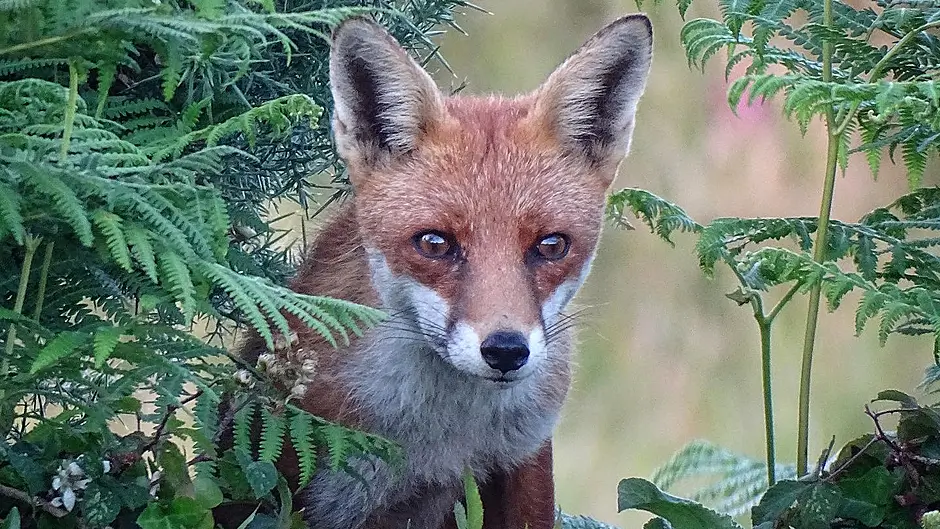
For humans, these berries provide snacks and ingredients for smoothies, jams, and crumbles, but what value do they have for wildlife? Insect species like shieldbugs and butterflies directly feed on the berries, using their straw-like feeding tube, known as a proboscis, to lap up the sugary berry juice. The berries are also eaten by several mammals, such as foxes and badgers, and by birds such as blackbirds, thrushes, and finches. In return, these animals help disperse blackberry seeds through their digestive systems.
Our hedgerows provide for more than resident bird species. While insect-eating birds like swallows, swifts, and house martins will soon depart, berry-eating redwings and fieldfares will migrate here to take their place. These birds arrive to feed on our local hedgerow produce, such as hawthorn berries, known as haws, rowan, and holly berries, which will provide vital energy for the harsh winter ahead.
While other flowering plants may go to seed at this time of year, ivy is just beginning to flower. This makes it a vital source of late pollen and nectar, allowing pollinators to stock up before overwintering. In 2021, a species of solitary bee, the ivy bee, caused much excitement when they were discovered in Ireland for the first time. This bee feeds on ivy flowers from September to November. While the species has so far only been recorded from the southeast of Ireland, where they first arrived, they are likely to be expanding their range, so are worth keeping an eye out for. After flowering and sustaining bees, ivy flowers will form berries.
While these are toxic to humans, they are energy dense and birds thrive on them.
Sloe down
Picking sloes, the fruit of blackthorn, to make sloe gin, jams, or jellies is popular. Blackthorn flowers in early spring, then the sloes lie dormant until late autumn. Some are already starting to ripen and turn their blue-black colour. If spring and summer are very dry, the sloes tend to be small and shrivelled, so it will be interesting to observe how this year’s crop fares.
Another foraging opportunity comes in the form of hazelnuts, the only native edible nut we can harvest from our hedgerows. Hazelnuts begin to ripen as the leaves of hazel trees take on their autumn colours. Only ripe, brown, and dry nuts are edible for humans, and usually wildlife will consume them before they reach this stage. To sustainably take a few to enjoy, leaving plenty behind for squirrels and other animals, you can pick them when they are green and leave them to ripen in a warm, dry, dark place.
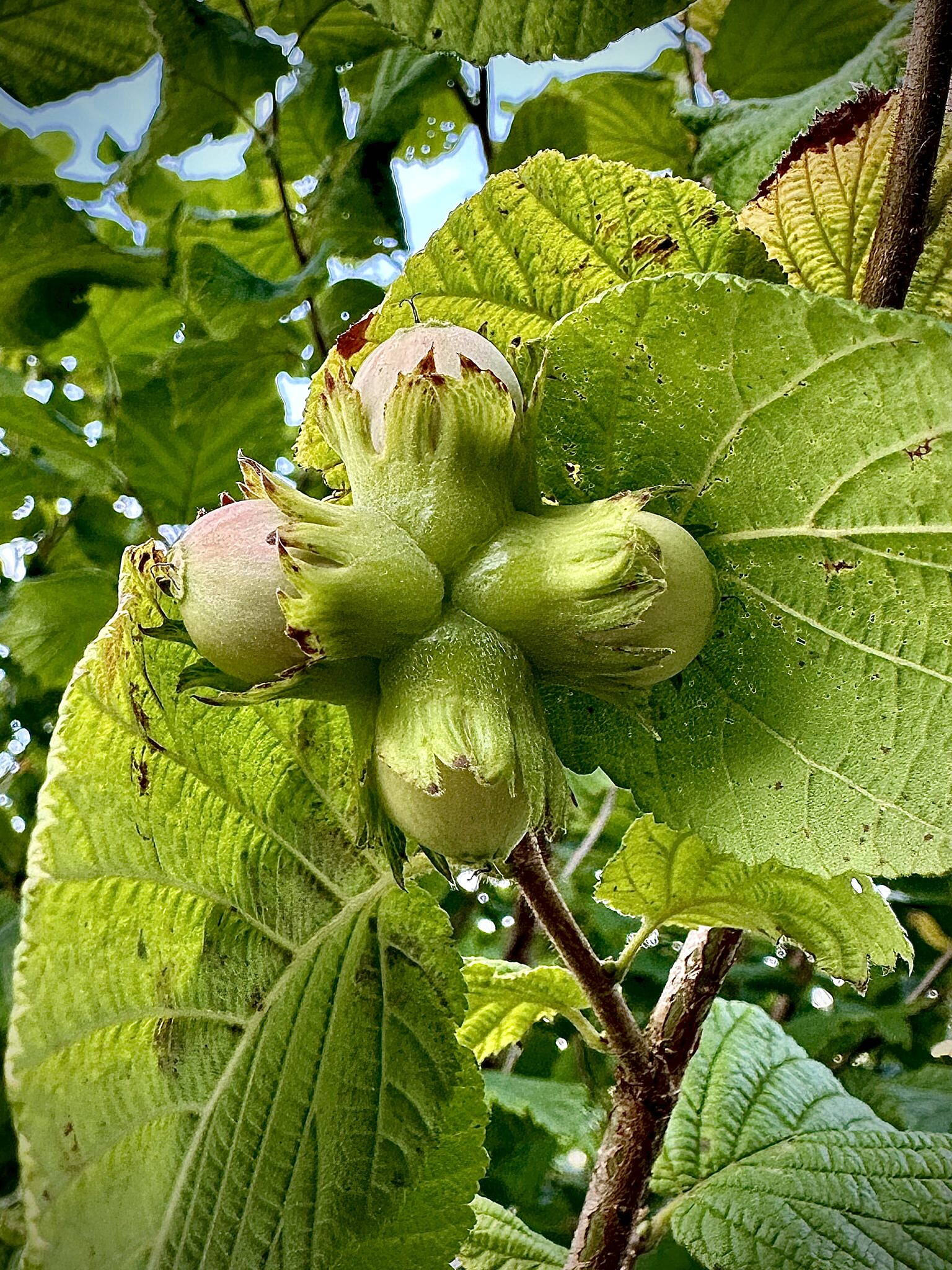 Hazelnuts are starting to ripen.
Hedge highways
Humans are not the only species that travel along hedges. They also serve as highways for plants and animals. As wildlife corridors, hedgerows allow hedgehogs to move around their territory as they forage, providing protection, prey, and routes through the landscape.In the evenings, bats can be observed following the lines of hedges as they feed on the flying insects that swarm over them. Even bees, when moving between their nest and feeding sites, will follow linear features like hedgerows, which give them some protection from the wind and rain.
One thing to be aware of is that while most species moving along hedgerows are beneficial, some invasive plants will take advantage and spread along these corridors. Some examples include Japanese knotweed, three-cornered leek, winter heliotrope, montbretia, and Himalayan balsam, which loves a damp ditch. Cutting hedges without due care where invasive plants are present can spread them. It is also important not to plant invasive species such as montbretia and Spanish bluebell, as these can then escape your garden and spread along nearby hedges.
Safe shelter
Many species, including frogs, shrews, mice, and hedgehogs, are seeking sites to spend winter, making healthy, species-rich hedgerows vital. Insects too are on the lookout. Open fields provide few opportunities for bees, hoverflies, and other pollinators to nest or overwinter, but hollows and holes in hedge banks are ideal.
We may give little thought to the vegetation we pass, but hedgerows have a multitude of direct and indirect benefits. Besides benefiting biodiversity, they provide livestock with shelter from freezing winter winds and rain, and shade in summer. They also help with flood alleviation and field drainage, reducing excess soil moisture and slowing down wind.
The more plant species a hedgerow contains, the better, as it will support a greater number of other species. If you want to learn more about hedgerow biodiversity, there is an excellent short online course available on the National Biodiversity Data Centre’s Learning Platform.