THE Irish Creamery Milk Suppliers’ Association (ICMSA) has called for on-farm battery storage for solar panels to be included in the SEAI scheme.
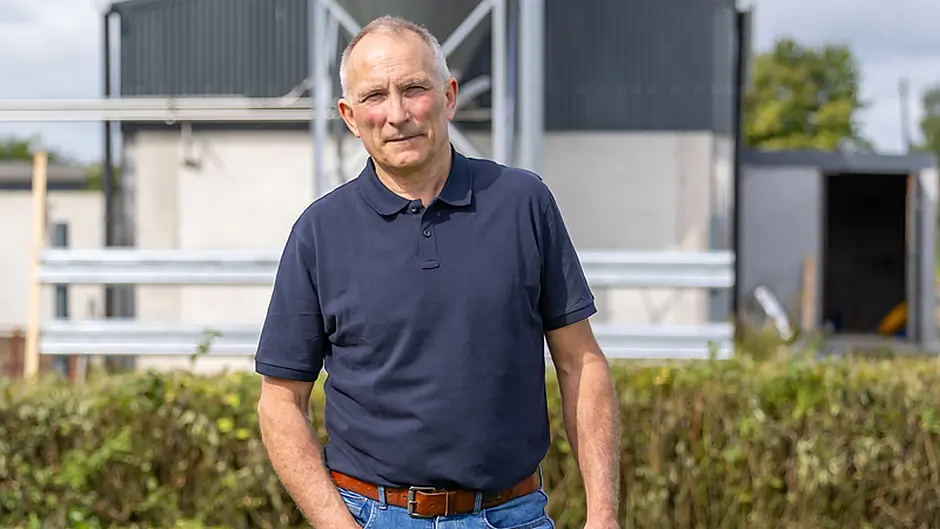
ICMSA chairperson Pat O’Brien praised the scheme for moving in to the area of farmer renewables and ‘picking up the TAMS slack’ and what he described as that scheme’s ‘steady slide into irrelevance’.
TAMS wholesale rejection of farmer applicants has been widely criticised. Mr O’Brien said: ‘We were looking at a massive, missed opportunity where TAMS was approving only a tiny number of solar applications due to budgetary constraints, leaving many farmers who were ready-to-commit without any source of funding.
ADVERTISEMENT
‘ICMSA looked at the SEAI options and we have been actively encouraging interested farmers to consider the SEAI nondomestic solar grant. It is do-able and SEAI are highly professional and expert, but there is an identifiable deficit in their package that needs to be addressed.’
TAMS offered grant aid for both solar panels and battery storage at 60% while the SEAI scheme offers neither battery storage nor a comparable grant rate.
Urging a rethink Mr O’Brien continued: ‘At the very minimum, the SEAI should provide grant aid for battery storage systems with sufficient capacity to power morning and evening milkings. Just giving farmers the ability to generate, store and use their own electricity and reduce their reliance on the grid, would be a huge benefit to the industry.’
Noting that farm electricity demand often coincides with periods of peak electricity usage, Mr O’Brien said Government has a straightforward choice to make.
‘The Government can spend millions on upgrading grid infrastructure to cope with increasing peak demand, or it can incentivise on-farm battery storage through the SEAI scheme and improved grant rates so farmers can generate, store and use their own solar electricity.
‘On any coherent cost-benefit analysis, it’s a no-brainer and must see SEAI supporting farmers to install battery storage that benefits everyone. It helps the environment, reduces pressure on the electricity grid and avoids unnecessary expenditure on expanding peak grid capacity. It’s a practical investment that delivers for farmers, taxpayers and the climate.’
Mr O’Brien said that the 2030 emissions targets were looming and now was the time to ‘spend a little that would save a lot’.
Concluding, Mr O’Brien said this was a clear-cut case where a relatively small tweak could bring enormous benefits in economic, environmental and sustainability terms.
‘This is as obvious a case as we have ever seen where just going a small bit further would bring disproportionate benefits across a range of headings.’