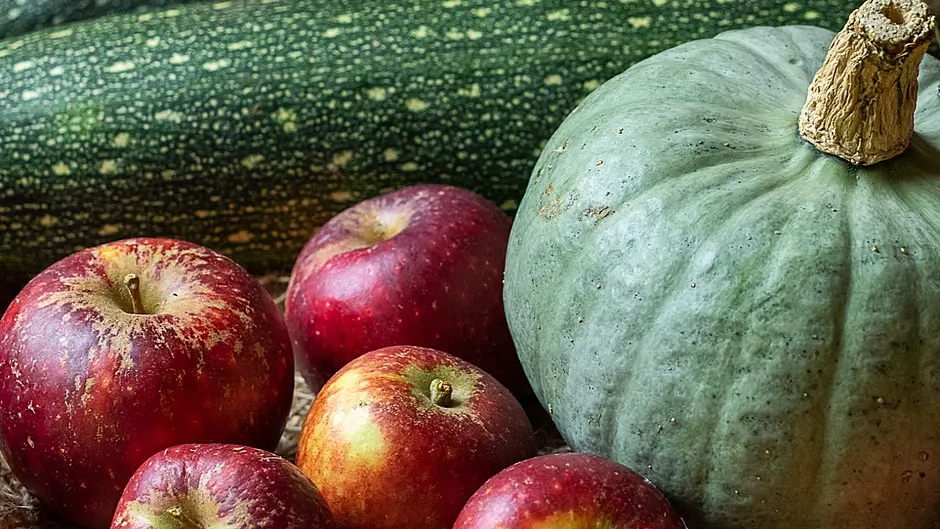

The days are getting shorter and everything is getting a little cooler. That’s autumn for you, I guess! We can get lovely bright days when everything looks glorious and wet, murky ones when we don’t want to venture outside. Some crops really hate the cold and foliage has started to droop and discolour a while back. We may even get frost before the month is out – be sure to harvest last tender fruits and vegetables before you run the risk of losing the lot. Always pick apples before the end of the month and sooner if things get chilly. The same goes for pumpkins and courgettes grown outdoors and probably the undercover ones will be failing too. Cucumbers may be only brown stems at this stage so lift them and consign to the compost heap. Autumn fruiting raspberries are an exception – these have a few more weeks of cropping left.
ADVERTISEMENT
Sow peas and broad beans
If you have a polytunnel or greenhouse, it makes so much sense to sow some spring crops now. Mangetout peas, like Oregon Sugar Pod or Herald, and autumn-sowing podding varieties, like Meteor, Kelvedon Wonder or Douce Provence, can do really well even in a cold winter. Aquadulce varieties of broad bean have been bred for autumn sowing. These crop much earlier in the year than spring-sown plants. A greenhouse or polytunnel helps to provide a more stable environment and you can use an extra cloche layer for the row if needed. Slugs aren’t a big problem in the colder months, but try to block rodents from your greenhouse. They will dig up the seeds and nip through stems if given half a chance. I start peas and broad beans in pots, or tubs, at this end of the year. Cover them with a layer of bubble wrap until they start growing – remove the covering when first leaves are open. Transplant into compost-filled drills when big enough to handle.
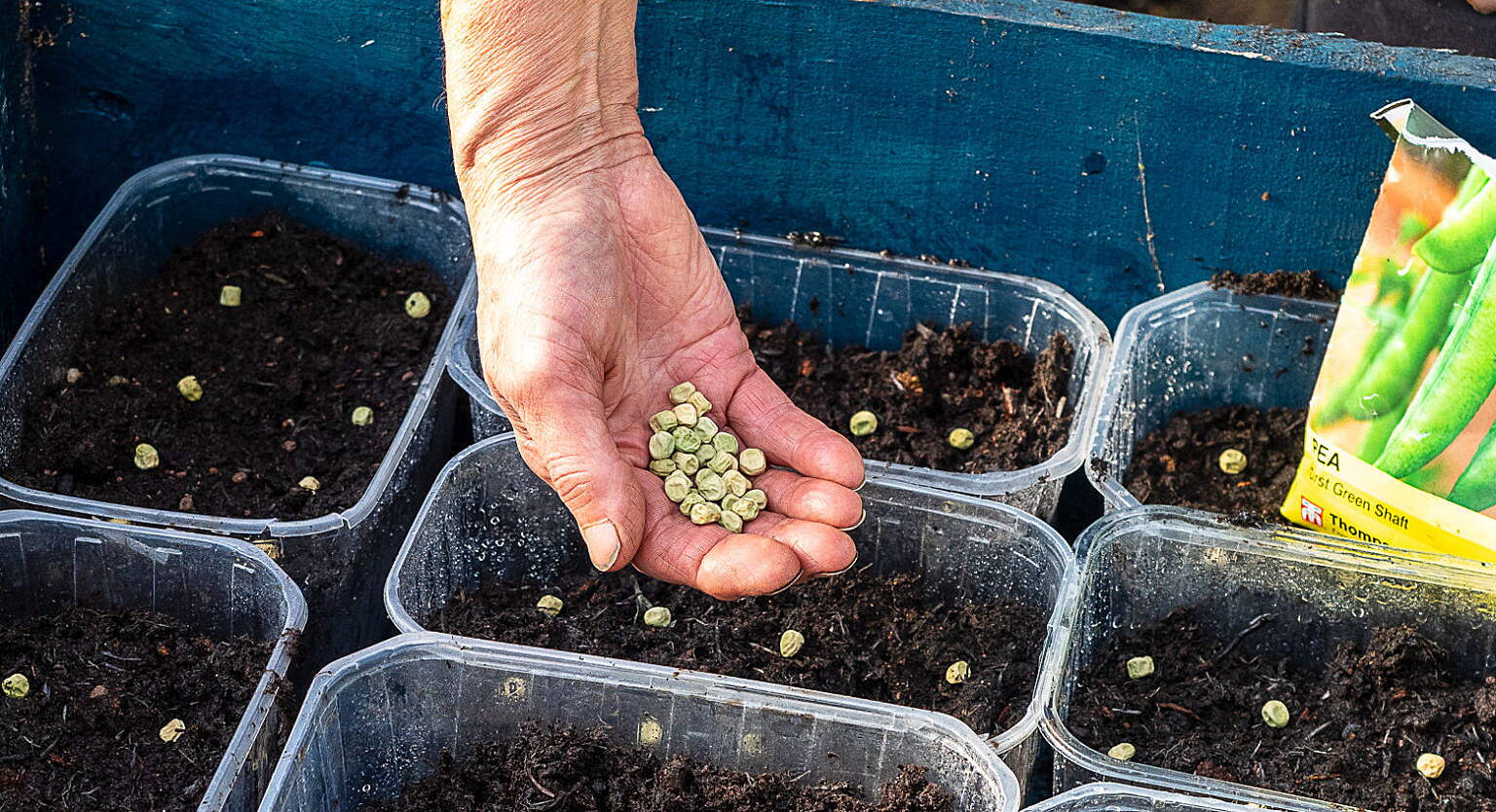 Time to sow some peas
Get plants in the ground
If you sowed lettuce, spinach etc a few weeks ago, then young plants will be big enough to go in the ground now. Growth is restricted if plants are crowded in small pots for too long and roots compete for nutrients. Growth may be halted for a week or so after planting out, but plants will put on a spurt once they are established. On a bigger scale, it’s time to think about getting fruit bushes and trees planted. These can be pot-grown or bare rooted. You can also transplant any small trees or bushes that are growing in the wrong place – it’s best to do this while the ground is still workable and plants have a chance to settle in before winter impacts.
Lift parsnips
These delicious root vegetables are supposed to be sweetened by a touch of frost. On the other hand, they will turn to mush if left in the ground through a hard freeze. It’s down to you to choose the moment you lift and eat, or put roots into storage. Keep an eye on the forecast. Maybe leave them through the first cold snap, if it isn’t too hard, but lift them before a second one arrives.
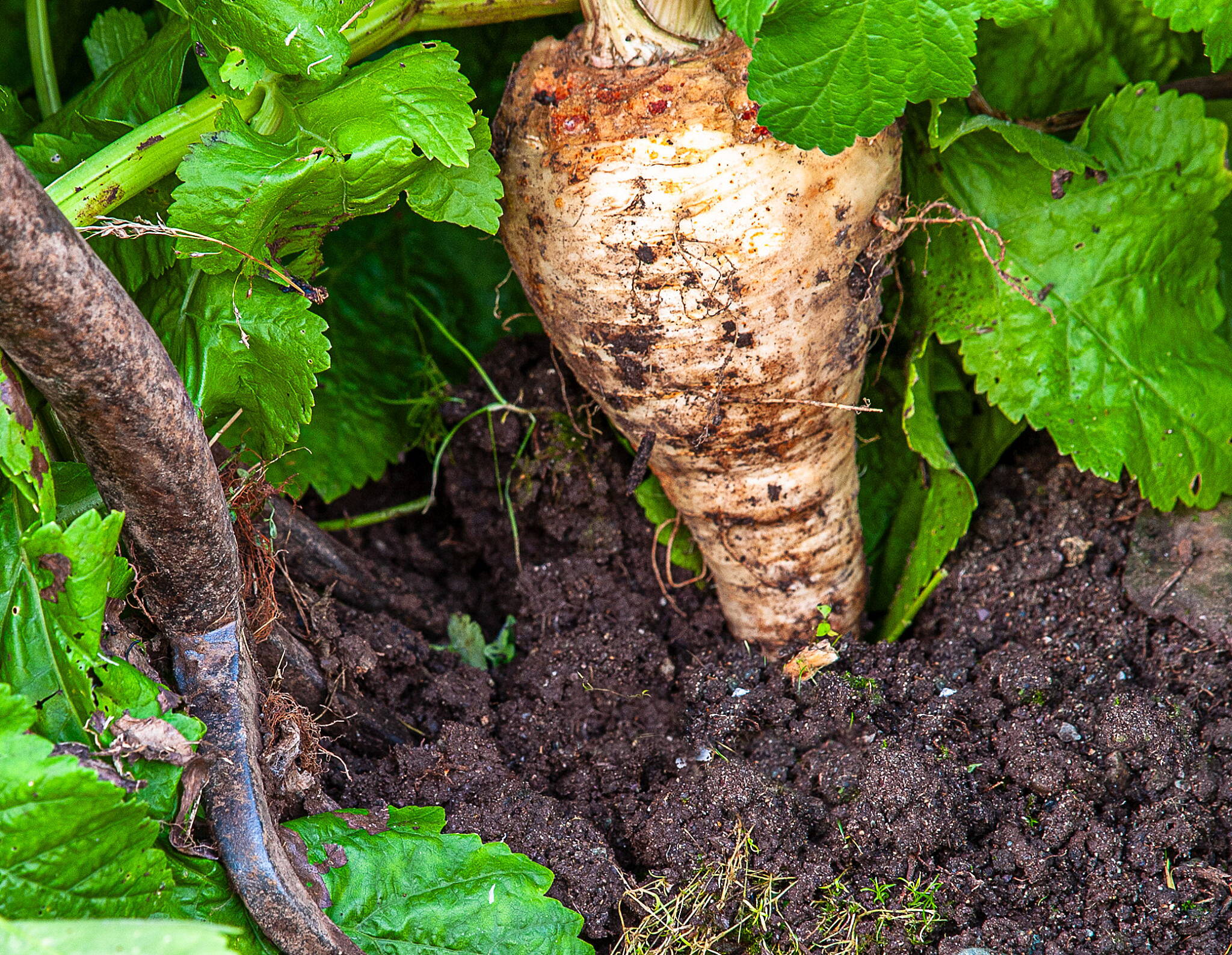 Lift and enjoy parsnips
Tidy beds
Clear sweet pea and climbing bean foliage to the compost heap. It’s unlikely these plants will produce more flowers, or pods, so get plants on the compost heap and look after the climbing frames. This may be as simple as a structure of long hazel poles – you can leave these in place and they should last for a second year, or clean them and put in a shed so you might get two years more. If you have a dedicated bought frame, then put this away too. All things last longer if they are protected for a few months of the year. Dig the bed over and cover with a mulch if you can. There should be one or two mows still left in the season so you can use all the grass clippings.
Ventilation
I try to keep doors open on my polytunnel for as long as I can at this time of year, without causing the plants inside to suffer. Grey mould can be a big problem in an enclosed structure – this is less of a problem where there is adequate ventilation. I open at least one door through the day, depending on temperature. I close them at night to keep in a bit of warmth. It won’t be many weeks until doors are closed day and night, but it’s good to keep up the ventilation when possible. Note: it’s a good idea to reduce watering in the greenhouse or polytunnel. Unless there’s bright sun to raise temperatures, you only need to water every few days. Feel the soil, so you know how damp it is, and avoid over-wetting it.