A RECENT piece from my colleague Derek Reilly, of the NEVO Irish electric vehicle platform, pulled together several studies that show electric vehicles reduce driver stress. They’re quieter, with less vibration than combustion-powered vehicles, and easier to handle in traffic because there’s no gear-shifting. The science-based research by York University in the UK on London taxi drivers, DS Automobiles on EV customers also in the UK, and Fiat Professional on delivery van drivers, showed that operators of EVs have lower heart rates, increased driver focus, and appreciate simpler driving, leading to a more relaxed and stress-free experience.
ADVERTISEMENT
I’m not surprised. I’ve driven a lot of electric cars over the last couple of years, and know from my own experience that all of the above have applied in my own case. It’s nice to know that the science backs it up. A recent time spent with the ë-C5 Aircross was a case in point. Temperatures were up, as were, it seemed, driver tempers — several indicators included more impatience and use of horns, and a visible step up of the already poor driving habits of many drivers, which have generally deteriorated during the last decade. Driving the ë-C5 Aircross, nothing ruffled me.
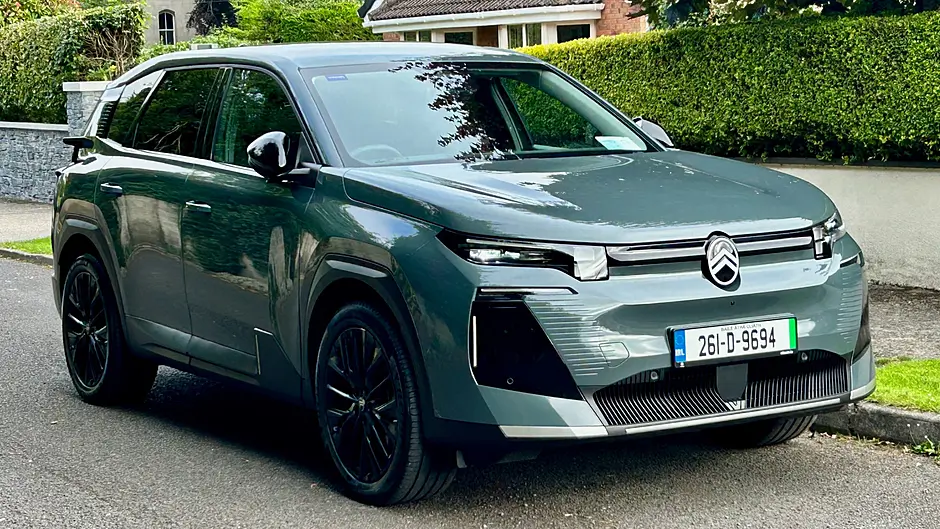
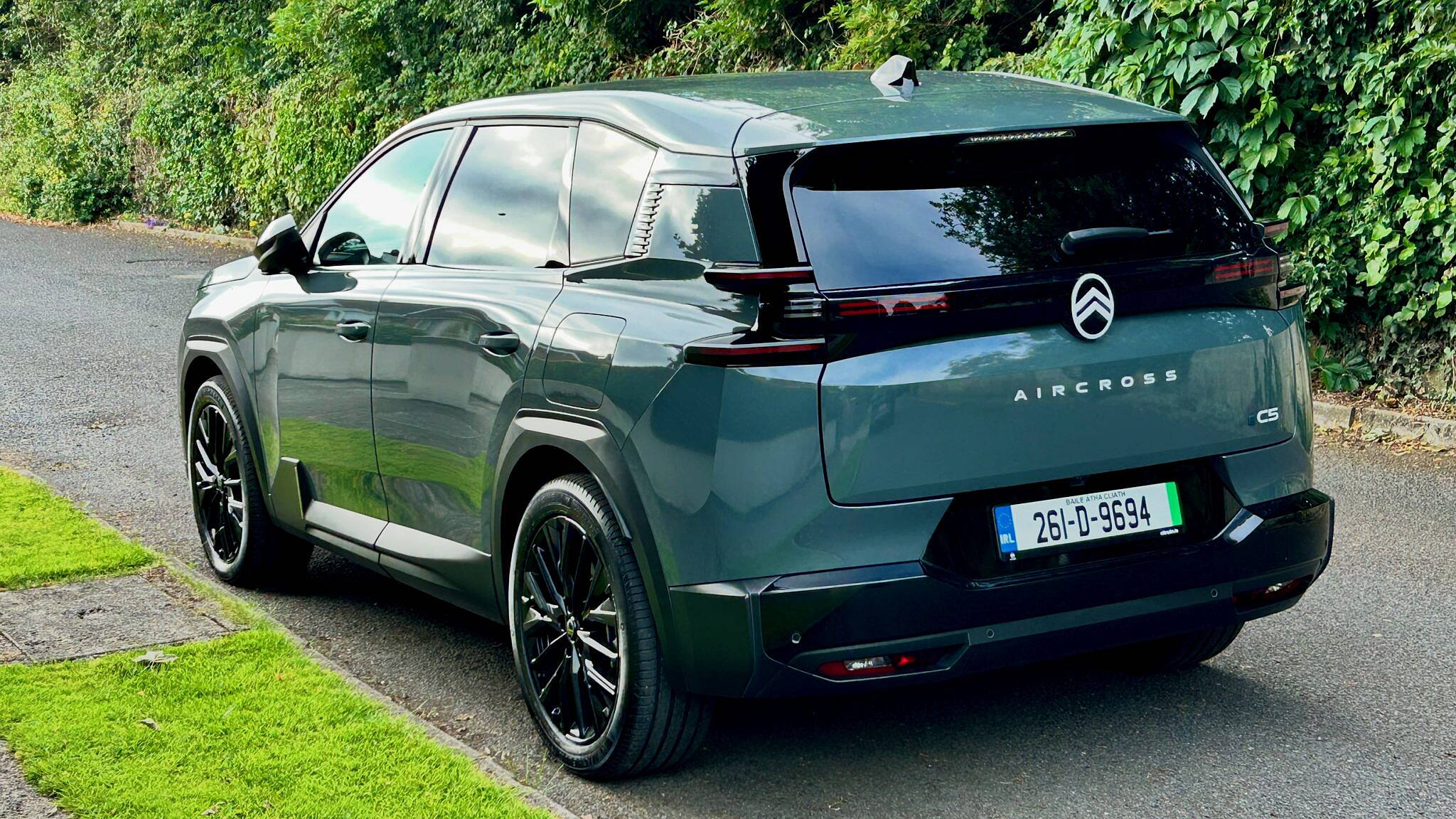
The car is the second generation of the nameplate, and built on the same Stellantis platform that underpins the Jeep Compass, Opel Grandland, and the current Peugeot 3008 and 5008. The Citroën has its own unique style. The front is imposing, with lean-looking (but very effective) matrix LED lights. The profile shows off an almost slab-side of sheetmetal below the window line, cleverly leavened by a styled drop at the end that is mirrored with a sharp, almost coupe, lowering of the rear roofline. Though there are several potentially clashing elements at the back end, the designers have done a really good job of making the whole coherent.
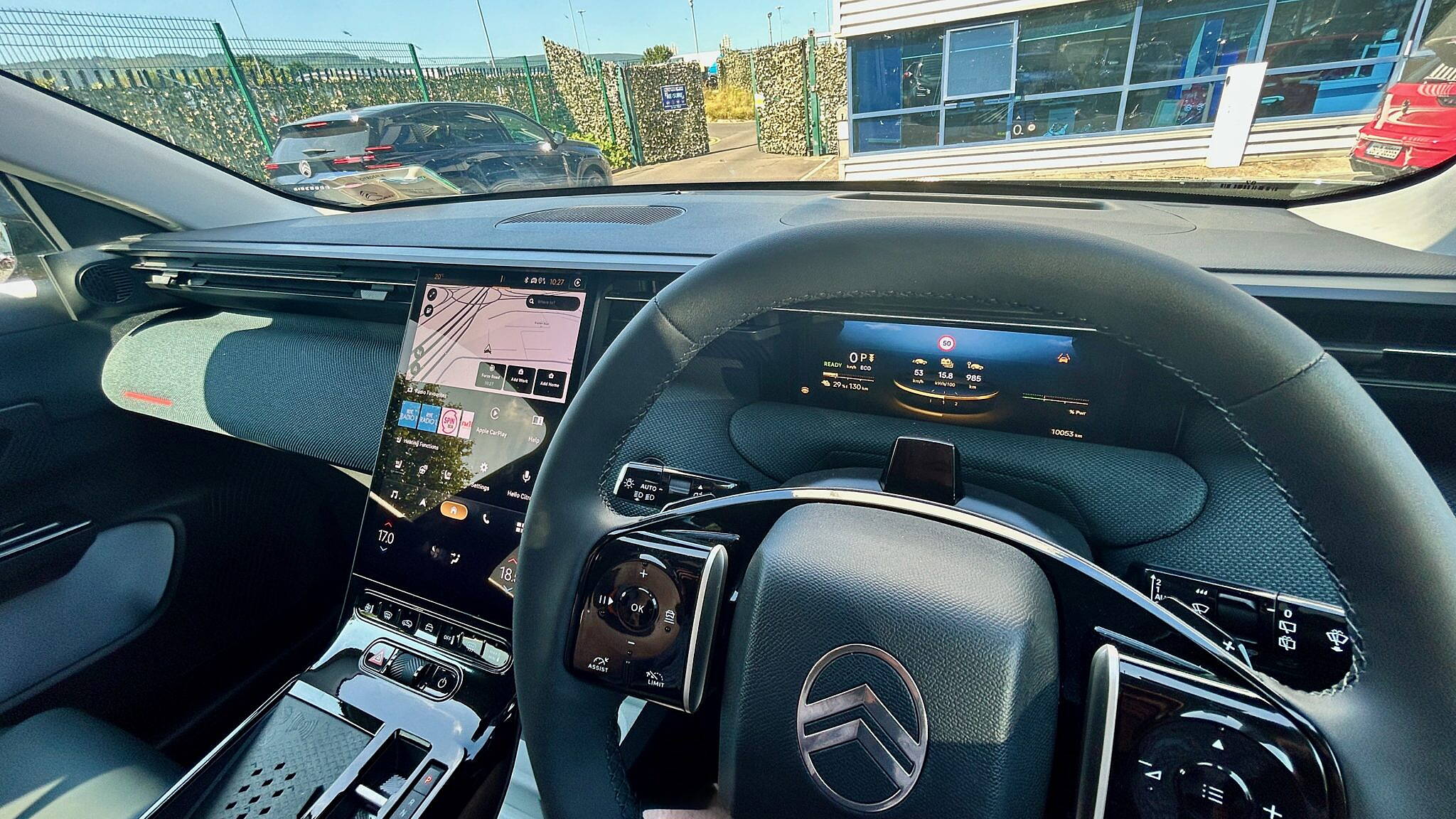
Inside, a straight-top dashboard provides a sense of width, and there’s an immediate perception of good quality in the materials. (Oddball information: some of the plastics are made from recycled grapevine shoots, an unusual first in the automotive industry.) The central infotainment screen hangs under the dash line and is well designed to give intuitive access to navigation, radio, and main climate controls — a mix of virtual and physical. The driver’s information pod is equally well sorted for quick assimilation of what’s going on. The ‘flying’ console has the familiar Stellantis transmission selector easy to had, and underneath is storage enough to keep a handbag out of the way. Citroën as a brand is concentrating very much on comfort, and the key areas of seating, ergonomics, and suspension are all tweaked to make that happen.
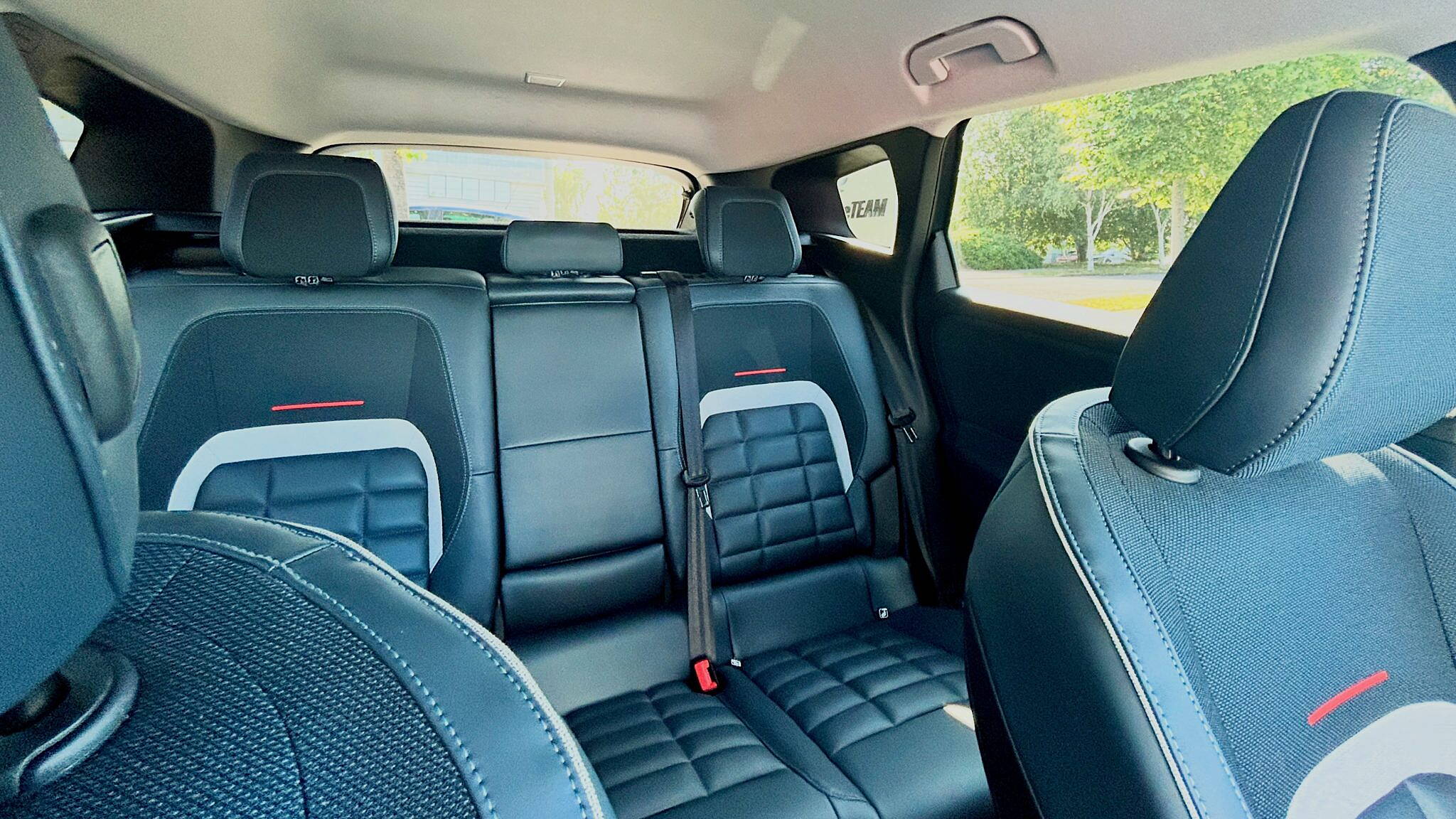
In size, the ë-C5 Aircross sits between the Kia EV5 and Volvo’s XC60, and is significantly longer than its first generation. So it’s a quite roomy car, and the rear passengers are blessed with good legs and headroom — there’s no 7-seat variant coming. The 565L of boot space is big, and there’s underfloor hidden capacity there too.
The C5 Aircross is available with petrol, mild hybrid, plug-in hybrid, and the electric powertrain of my review car. It’s a 210hp motor that offers quite a brisk acceleration, smoothly and without noise. The battery range is rated at 520km, in real life I reckoned closer to 400km was manageable, and to me that’s OK (another reveal from those researches was that range anxiety has slipped well down the list, and most buyers forget about it after a couple of days of ownership and settle into a charging routine).
For those interested in car-derived vans, there’s a commercial version available. I haven’t driven it yet, but from the comments of colleagues, it seems to be very well received. Meantime, the review car left my temporary ownership with no bad feelings.