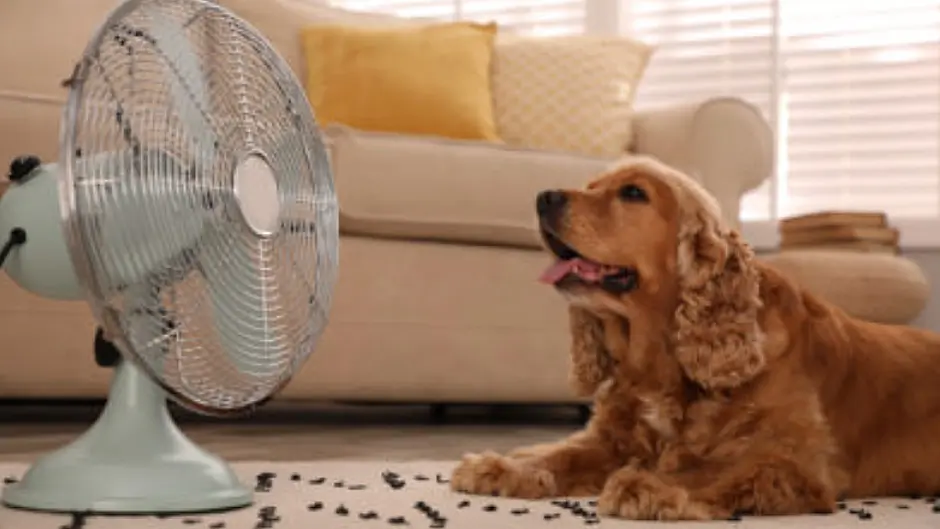
Pet owners and farmers are being urged to take extra care as a continued spell of high temperatures affects Ireland, with a warning issued over increased health and welfare risks in the heat.
Pet owners are warned never to leave dogs unattended in parked cars, even in the shade, and to limit exercise to mornings or evenings while protecting paws and skin from hot surfaces and sunburn.
Minister for Agriculture, Food and the Marine, Martin Heydon TD (FG) said it was important for farmers, horse and pet owners to take steps to protect their animals, also stressing the need for vigilance on possible outbreaks of fires.
ADVERTISEMENT
'Due to continued high temperature weather patterns, the potential for the outbreak of fires remains high,' added Niall Collins TD (FF), Minister for Forestry, Farm Safety and Horticulture.
'I am calling on all forest owners, farmers, rural dwellers and other countryside users to be extremely vigilant regarding fire activity, to report any suspicious or illegal activity to the Gardai and to report all fires immediately to the Fire and Emergency Services via 112/999,' the Minister added.
Owners are advised to ensure a plentiful supply of drinking water and to check watering points more often, particularly where demand increases.
Stock should also be monitored for signs of water stress, such as crowding or queuing at water points, the government has urged.
Shade and shelter are equally critical with vulnerable animals, such as the very young, old or sick, may need to be moved to areas with extra cover and monitored more closely.
Holding areas should include shaded spaces where possible, and outdoor poultry should have access to shade, the government advice continues.
Outdoor pigs require a wallow to cool down, especially when temperatures rise above 25°C.
Handling and transport should be minimised during hot weather, as even short movements can raise animals’ body temperatures.
Where movement is unavoidable, it should be carried out early or late in the day to coincide with cooler conditions, and ventilation systems should be monitored more frequently.
Intensively housed pigs and poultry also need additional checks, with closer attention paid to accommodation temperatures, ventilation and stocking densities to improve airflow.
Owners are reminded to watch closely for signs of heat stress—including faster breathing, loss of appetite, drooling, listlessness or lethargy—and to seek veterinary help without delay if symptoms worsen.