By Brian Byrne
It’s less than three years since the Volkswagen Group announced that it would stop producing SEAT passenger cars, in favour of concentrating on the Cupra performance brand. But last October the group changed its mind. Officially, the Spain-based subsidiary is now the affordable entry brand to Volkswagen’s overall portfolio. Possibly because of that first short-term decision, the SEAT market share in Ireland slipped downwards over the last few years, but that slippage appears to be slowing and for three of the first six months of 2026, sales have shown a healthy uptick compared to the same months last year.
The Arona has consistently been the brand’s best seller since it was first launched in 2017. Partly because of the overall strength of the B-segment crossover-SUV category in the overall car market. When a small family buyer needs something larger than a hatchback but doesn’t want to go up a segment size, in this case from the Ibiza hatch, the crossover offers a bit more space without increasing the footprint much, and retaining the ease of use.
ADVERTISEMENT
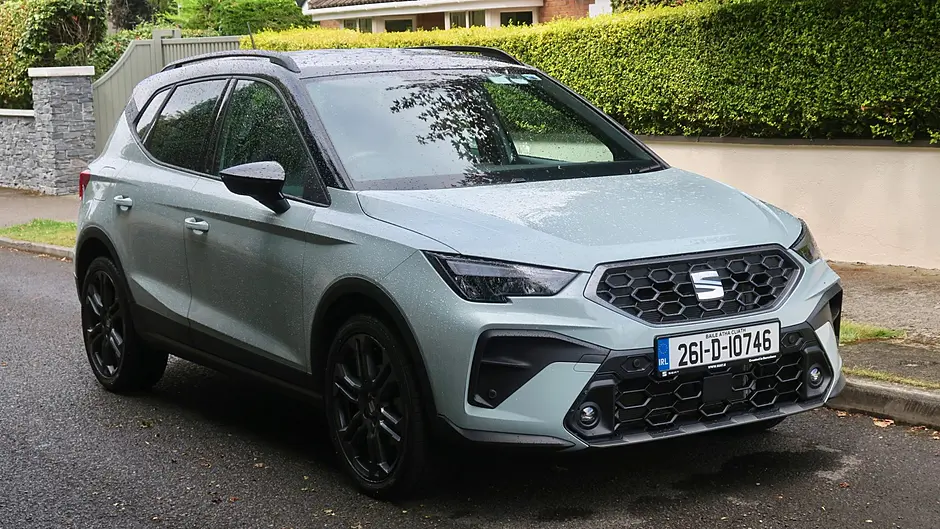
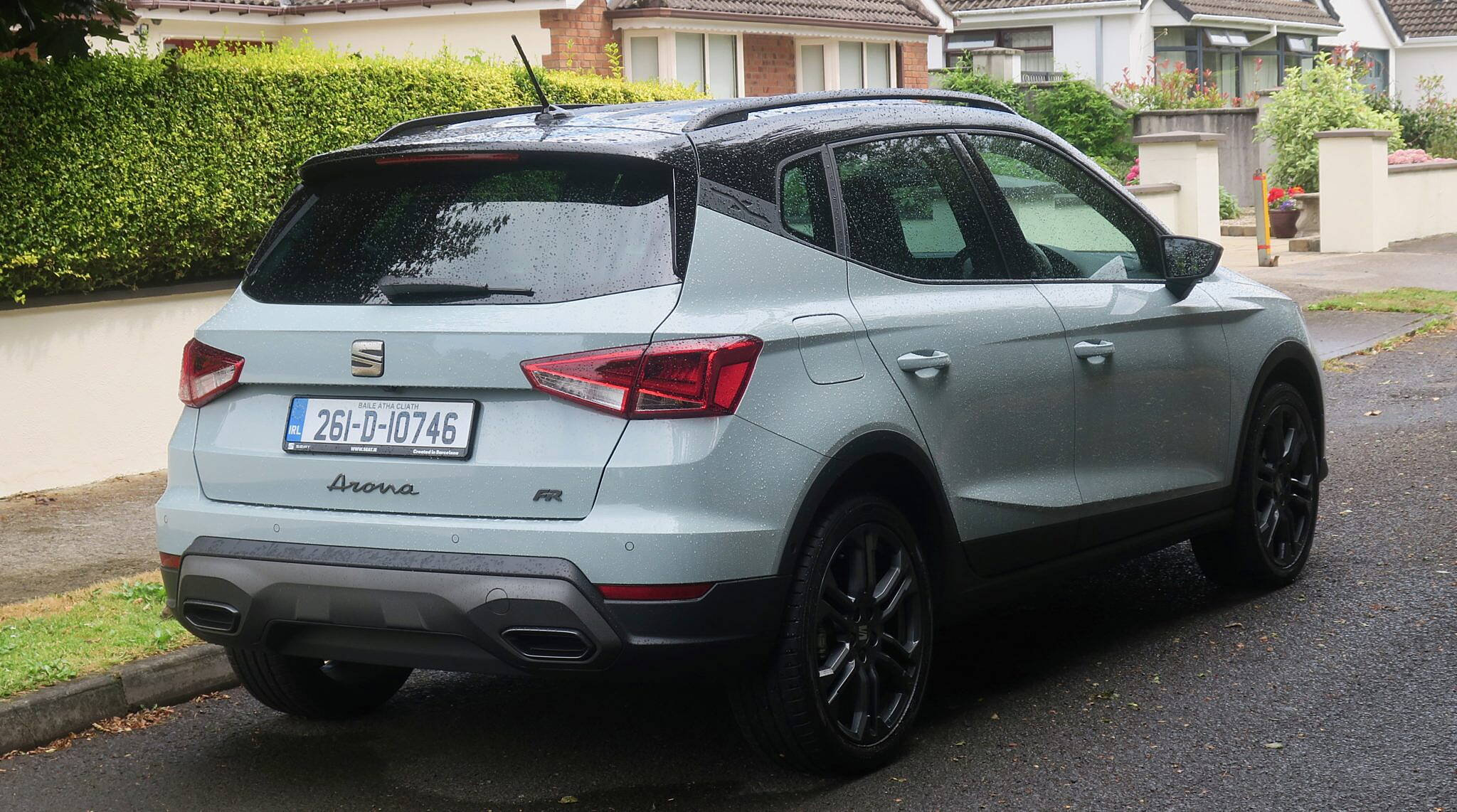
There’s been no generational change in the Arona since it first arrived, but there have been two refreshes, the most recent for the 2026 model year. None have involved changing the shape or interior size, though the latest one is lower and a tad longer than the previous version. Put one beside the other and you’ll see a larger grille with a diamond-mesh pattern, a different front bumper design with integrated front foglight, and new alloys. More important is the brightness of the new LED headlights. The overall shape of the car is remarkably fresh still, reflecting the fact that SEAT within the Volkswagen Group often had more style chops than the parent company’s own-brand equivalent cars. In this instance, the review car also had a sleek presence thanks to the contrasting black roof and roof rails.
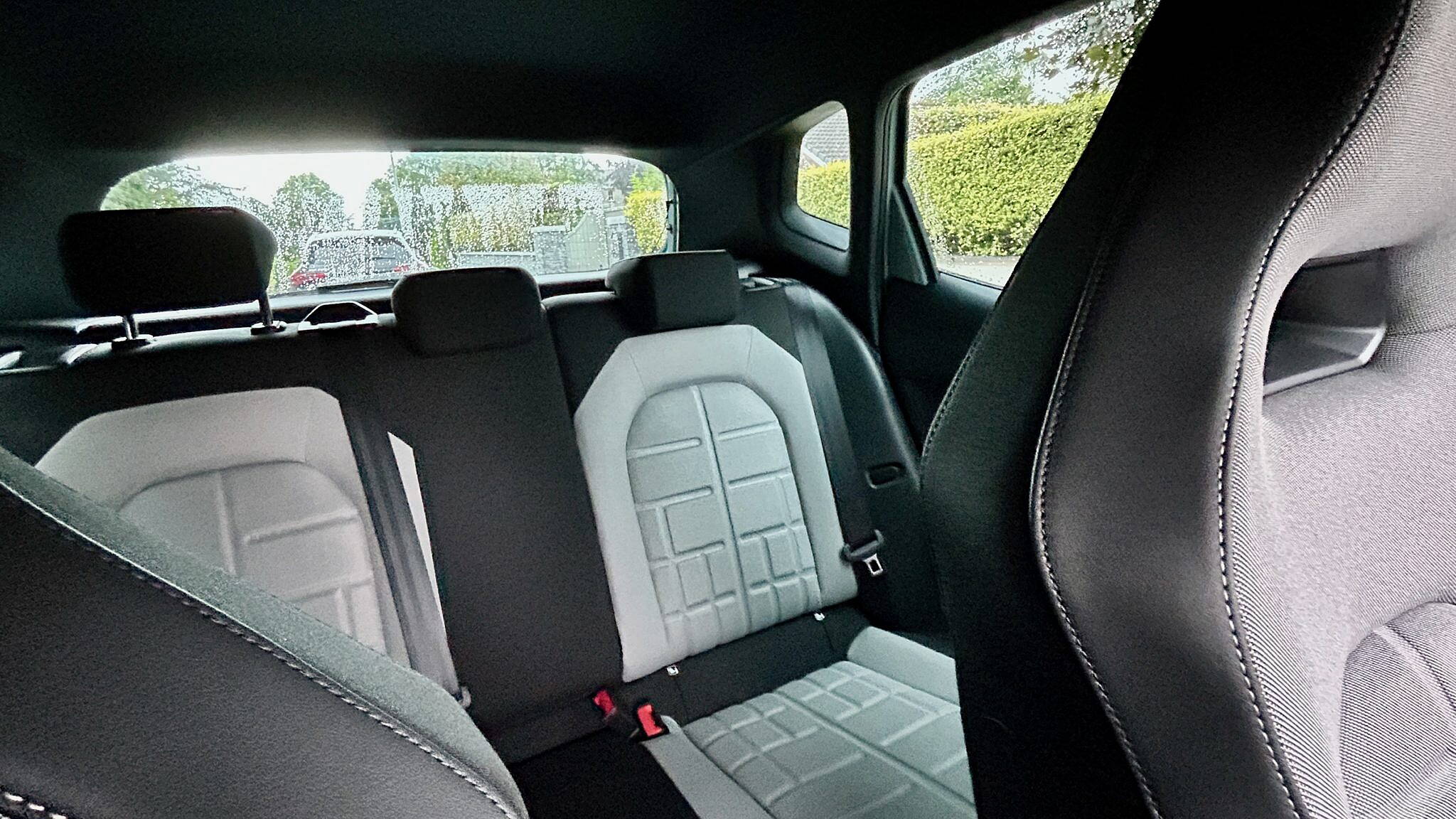
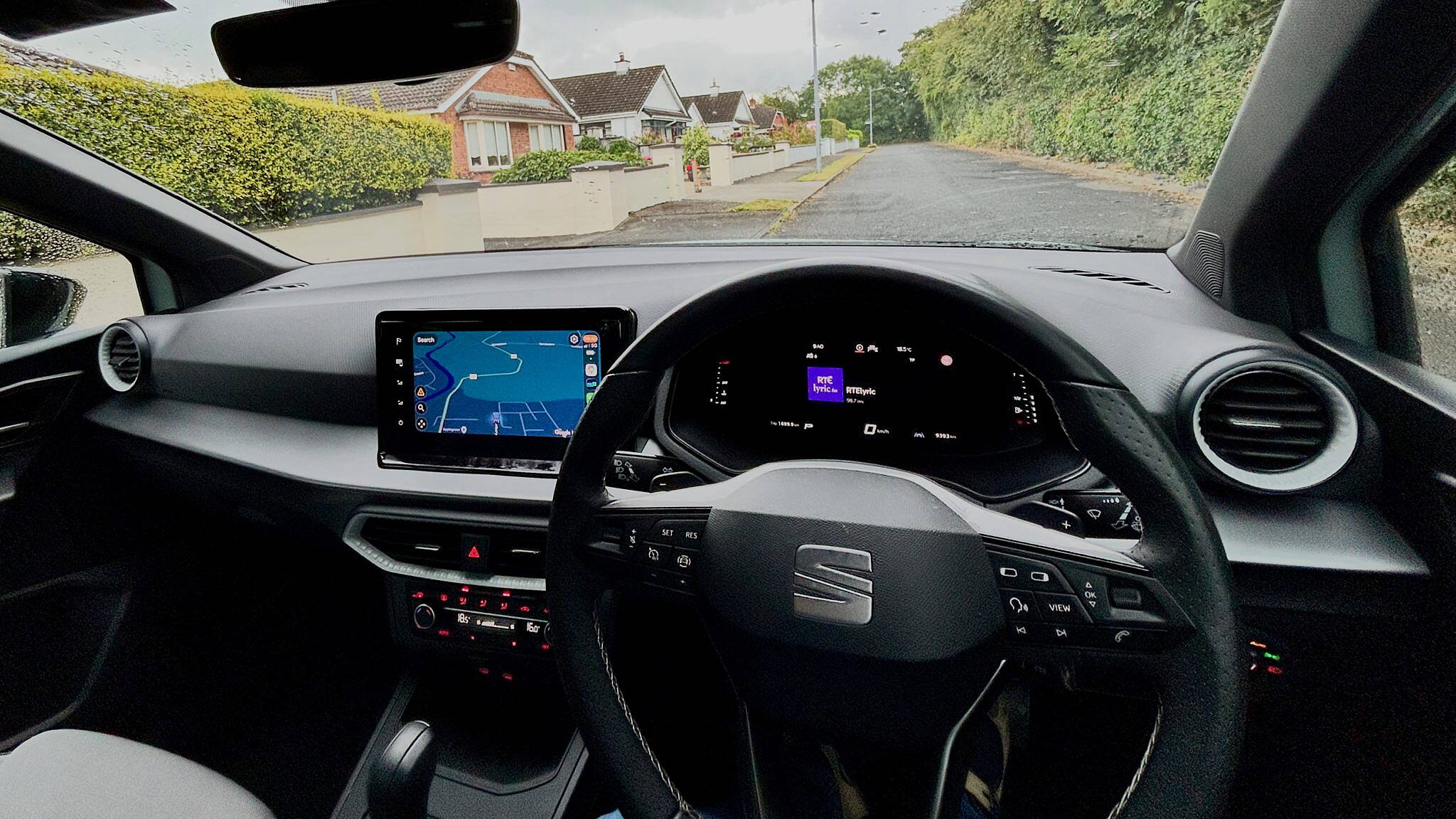
There have been improvements inside, mainly in materials, which now include soft-touch dashboard surfaces, some texture to the door trim panels, and fresh design to the air vents. My review car was in FR grade, which also provides more supportive seats, the integrated headrests of which were perfectly comfortable for me — regular readers will know I’ve had difficulties with such in other brands.
There was a certain old-world feeling, perhaps for budgetary reasons, with the traditional handbrake and an actual fit-in key for the ignition. The traditional part of the car that I very much appreciated was the retention of physical switches for climate control. In cars where these have disappeared in favour of screen menus, they will also be coming back in future years because of new regulations designed to cut driver distraction. I was far from alone amongst my colleagues globally when I criticised the screen systems at first introduction, but it has taken a long time for the industry to catch up.
I’ve been driving a fair number of large cars recently, yet I didn’t feel cramped in any way in the Arona. Particularly, the door opening leaves room for me to get in and out without bumping my head. Also, the design of the inside door handle means that one doesn’t have to lean back out to reach it — this is something of an issue in some, indeed more than some, cars.
Given that the car is on one of VW’s rather older small car platforms, there’s actually a reasonable knee-room for those in the back, while the crossover-style takes the sting out of headroom for all but quite tall people — it’s still a more comfortable space for two rather than three, though. The 400L cargo volume is par for the segment.
The Arona is aimed at basic motoring needs. There’s no high-tech electrified engine, simply a 1.0 petrol 3-pot, in my review car with the more powerful 115hp output. Also, thankfully, with a 7-speed dual-clutch automatic that works well with the little engine. The motor’s 3-cylinder buzz is audible, but it’s not really intrusive. The powertrain package, over a variety of roads and terrain, came back with an average of around 5L/100km, which I figure to be quite usefully
frugal.
The ride and handling are well capable of dealing with what the car can do, making it pretty safe for family use.
Overall, I left it back with the thought that, for many, it’s not all about the tech. It’s that the car does what it says on the tin. In this case, fulfilling its newly committed place as an affordable entry to an automotive emporium of many prices.