ALCOHOL remains the leading cause of treatment for addiction in West Cork, according to the latest statistics from Coolmine therapeutic centres.
Its report for the first nine months of the year shows almost three quarters – 73% - of those seeking help and support are presenting for alcohol addiction.
In total 68 individuals, 43 men and 25 women, have sought treatment at the Ahiohill hub in West Cork from January to the end of September 2025.
ADVERTISEMENT
The average age group is 30-34 years of age, with almost one third of those presenting aged 50 or over. The number seeking support for cocaine addiction is lower than the national average at 12%.
The report for the wider South West area shows a predominance of alcohol-related treatment (50%) followed by cocaine (24%) and cannabis (11%).
Coolmine offers a wraparound approach ensuring that addiction treatment is supported by linked mental health, housing, and family services, offering practical, person-centred recovery pathways across Cork and Kerry.
‘Over half of all people seeking help in the South-West are doing so because alcohol is devastating their health and family life,’ said Stephen Cashman, South-West regional services manager. ‘We are committed to helping individuals rebuild their lives with compassion, respect, and belief in their recovery.’
Coolmine has hubs in Cork city, Mallow, Midleton, Ahiohill and Tralee, with satellite clinics extending care to rural areas in collaboration with the HSE.
Coolmine continues to deliver accessible, evidence-based community supports across Cork and Kerry, including hubs in Cork City, Mallow, Midleton, Ahiohill, and Tralee, with satellite clinics extending care to rural areas in collaboration with the HSE.
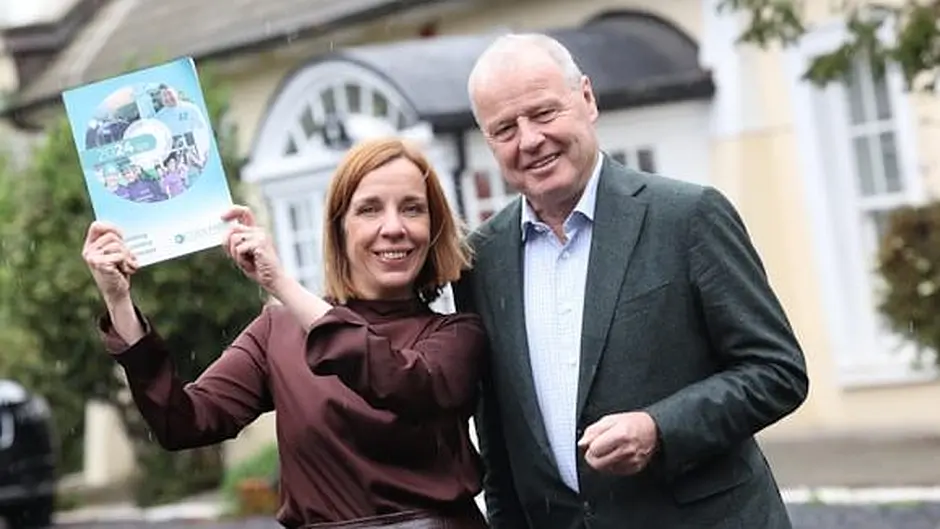
Coolmine’s national report shows Ireland is facing a sharp rise in demand for drugs and alcohol treatment services, with 3,293 people seeking help nationwide in 2024 – an increase of 35% on 2023.