Approximately 4,500 farm accidents happen yearly, and almost half of these accidents involve livestock.
Firsthand experience can be a great teacher, and a serious home farm accident loading cattle is never far from my thoughts.
A part came off a cattle trailer and seriously injured one of my family members and, while the accident has its own unique features, there are lessons to be learned.
ADVERTISEMENT
Loading stock regularly takes place on farm and in most cases, farmers make a difficult job easy and safe.
However, there is often scope to do this job in a much safer way.
In the first place, having easily-managed stock is key.
When selecting which cows to breed off and which bulls to use, docility should be a key trait in selection.
There is a proven effect of breeding for quieter animals which are easier to manage.
Likewise, if you are buying stock, docility needs to be prioritised, and you should keep this in mind when viewing stock.
Suitable equipment is also of highest importance.
Make sure the cattle trailer or truck being used for transport is suitable for the work involved, it is in good condition, and is in safe working order.
Of course, setting up a cattle truck or trailer to work safely is important. Extra care is also needed while reversing into place, and above all else, this area needs to be clear of people.
Where good facilities are not in place, seen more commonly on out-farms, accidents can happen more easily.
Good facilities are critical on all farms, and it is encouraging to see that many farmers have invested in this area, which is a huge benefit in terms of safety and labour efficiency on farm.
There are many grants available under the Department’s TAMS scheme for improving farm facilities and farmers should avail of this funding while it’s available.
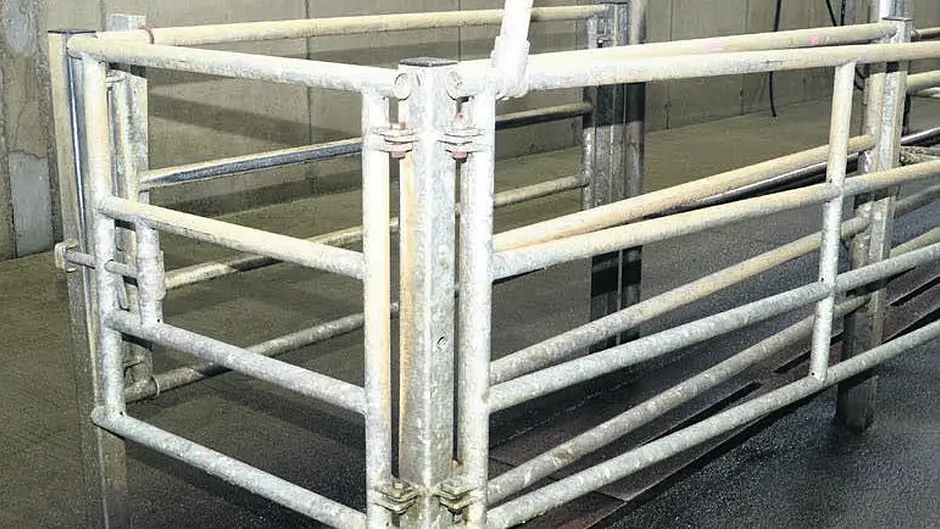
Good design of the holding pen where cattle are penned before loading is also key. It should be big enough for half of filling it before loading.
Cattle like to be able to see while waiting, which they can do comfortably in a half-filled pen.
It should be level, dry and clean, and cattle are very wary of any changes in their path so better to keep the same floor type across the loading area.
Nonslip floors are vital as some slipping can panic cattle.
Uniform good lighting across the loading area is also important.
Cattle’s forward sight is limited, and so good lighting is a huge help as they do like to know where they are going.
Shadows and dark areas often put the animal off and can agitate them.
Approach stock in a calm way when loading, and remember that excess noise and shouting alarms cattle.
Everyone must be behind the cattle in the loading area.
A trick with loading stock is to take advantage of their own natural behaviour.
Allow them as much as possible to find their own way in their own time.
Their nature is to follow, and they need to see where they are going, and that there is room in front of them to walk into.
It is vital to avoid any distractions which can cause them to flinch.
A rattling chain can upset the process, and an over-helpful dog would be better tied up!!
Accidents happen when cattle kick back, once the trailer or truck gate is being closed behind them.
This is again part of an animal’s natural behaviour.
Often this is in their blind spot and if the gate touches their body, their instinct is to kick back.
Loading stock safely can bring great satisfaction, but I am always delighted to avoid a repeat of what happened to us on our farm.
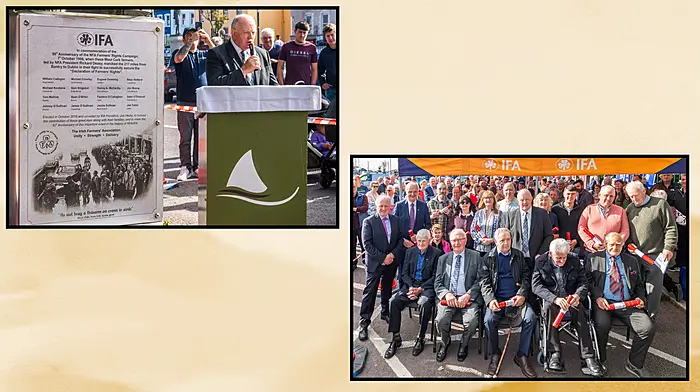
Teagasc, in collaboration with the IFA, are involved in a farm safety event at Skibbereen mart on Tuesday August 26th, at 6.30pm.
There will be an emphasis on cattle handling, loading equipment, facilities and general knowhow.
Many other areas of farm health and safety will be addressed including machinery, chainsaws and farmer health.
Everyone would be most welcome.
Pat Flannery is an Education and Health and Safety Officer with Teagasc.